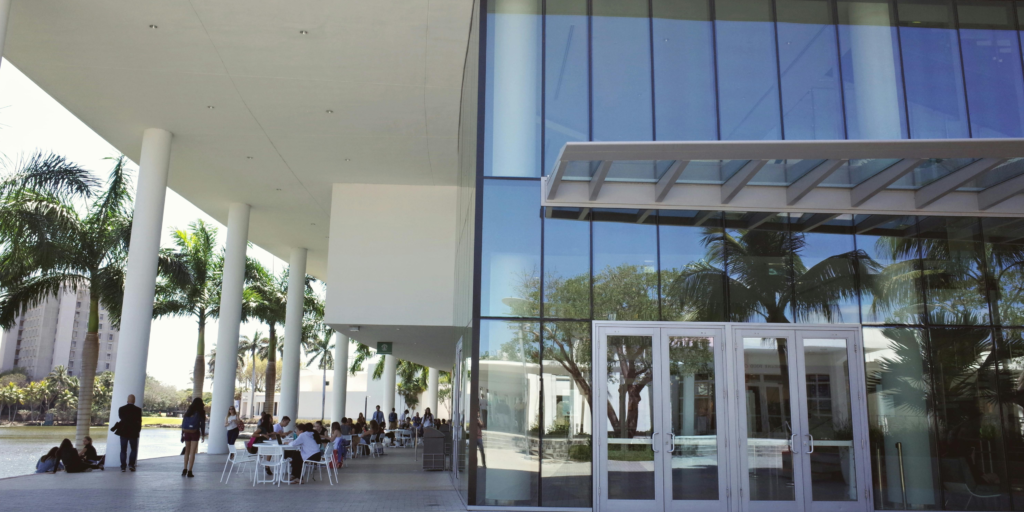
top affordable universities with modern facilities
Higher education has become one of the most important foundations for career growth, professional stability, and future opportunities. However, the rising cost of university education continues creating financial pressure for many students and families. In 2026, students no longer search only for prestigious institutions with expensive tuition fees. Many now prefer affordable universities with modern facilities that provide quality education, strong placements, digital infrastructure, practical learning environments, and career-focused opportunities without creating overwhelming financial stress.
Modern students carefully evaluate universities based on affordability, campus facilities, placement support, digital learning systems, hostel quality, laboratory infrastructure, industry exposure, and career development opportunities. Educational institutions today understand that affordability and quality must work together because students increasingly seek practical value instead of only brand reputation.
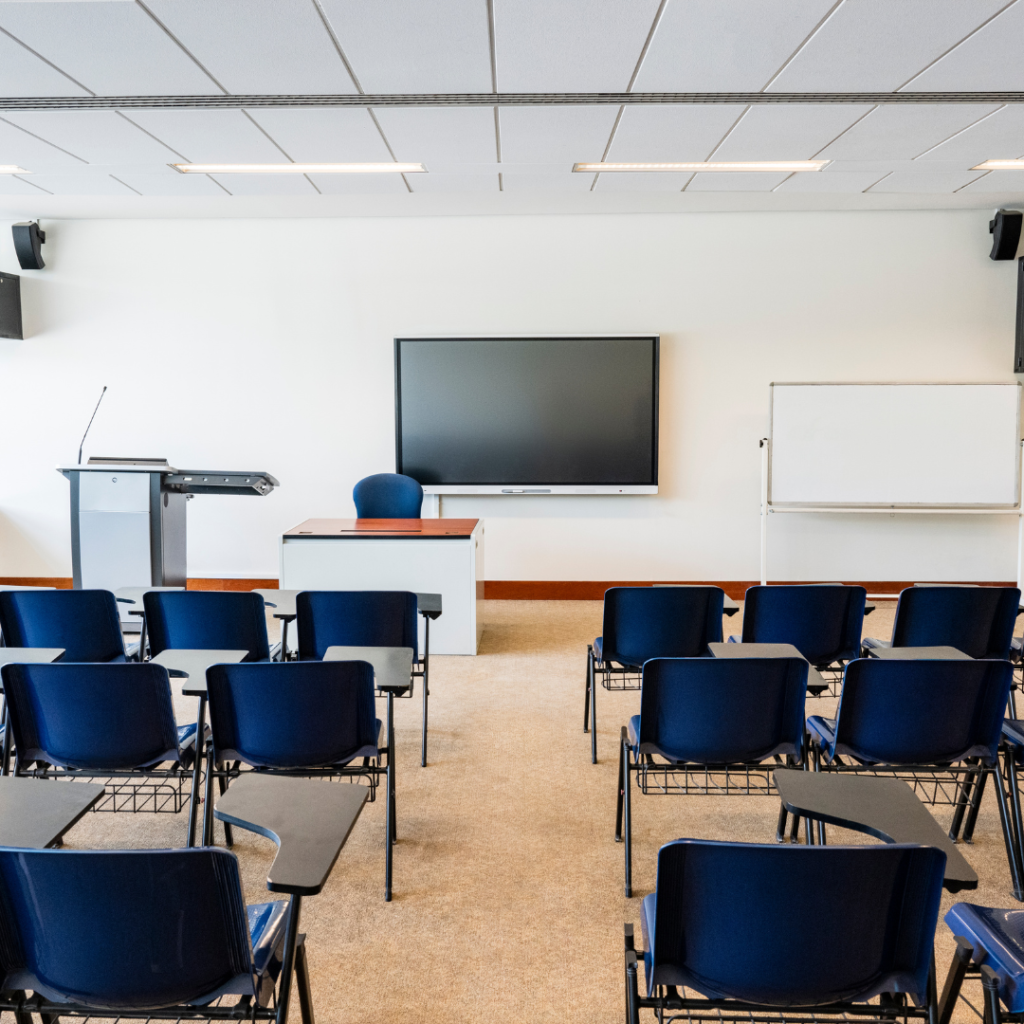
Technology has transformed university campuses significantly in recent years. Smart classrooms, AI-powered learning systems, digital libraries, advanced laboratories, startup incubation centers, online learning platforms, and virtual collaboration spaces are becoming essential parts of modern higher education systems.
Affordable higher education is especially important because many students come from middle-class or financially limited backgrounds where expensive tuition fees create emotional and economic challenges. Universities offering quality education at reasonable costs therefore attract strong attention from students focused on long-term career growth without excessive financial burden.
At the same time, affordability alone is not enough. Students also expect modern infrastructure, updated curriculums, placement assistance, practical learning opportunities, and comfortable campus environments that support both academic and personal development.
Affordable Universities Reduce Financial Pressure
One of the biggest advantages of budget-friendly universities is the reduced financial burden on students and families.
Higher education expenses today include tuition fees, hostel costs, transportation, books, digital devices, project expenses, and examination charges. Affordable universities help students continue education without facing severe financial stress or excessive education loans.
Students studying in affordable colleges often feel emotionally more secure because lower financial pressure allows better focus on academics and career preparation.
Affordable higher education also improves educational accessibility for students from diverse economic backgrounds.
Many universities now provide scholarships, installment payment systems, financial aid programs, and low-cost hostel facilities to support students further.
However, some low-cost institutions may struggle with outdated infrastructure or limited placement opportunities if proper investment is lacking.
Modern Facilities Improve Learning Experiences
Universities with modern campus facilities create stronger educational environments because students learn more effectively through updated technology and practical resources.
Smart classrooms, digital learning systems, high-speed internet, virtual labs, AI-supported education platforms, and interactive teaching methods improve student engagement significantly.
Modern university infrastructure helps students develop practical knowledge alongside theoretical understanding.
Students studying in technologically advanced campuses often become more comfortable with digital tools and modern workplace systems.
Universities with digital classrooms also improve flexibility because students can access online learning resources, recorded lectures, virtual collaboration platforms, and cloud-based educational tools.
At the same time, excessive dependence on technology may occasionally reduce traditional face-to-face academic interaction if balance is not maintained properly.
Career-Focused Universities Improve Employability
Students today increasingly prefer career-focused universities because employability has become one of the strongest priorities in higher education.
Modern universities understand that students expect practical career preparation alongside academic degrees.
Affordable universities with placements therefore focus heavily on internships, industry collaborations, communication training, coding workshops, entrepreneurship programs, and placement support systems.
Students participating in career development activities usually gain stronger confidence before entering professional environments.
Placement-focused universities often organize mock interviews, aptitude training, industry seminars, and skill development workshops to improve student readiness.
However, placement competition remains intense, meaning students still need strong individual effort and consistent skill development.
Smart Campuses Are Becoming Popular
Smart campus universities are rapidly transforming modern education systems through digital integration and technology-driven infrastructure.
Many universities now use AI-based attendance systems, digital libraries, online student portals, virtual classrooms, smart security systems, and cloud-based learning platforms.
Smart campuses improve operational efficiency while creating more organized and accessible learning environments for students.
Students studying within digitally advanced campuses often adapt more easily to modern workplaces influenced by automation and technology.
Technology-integrated campuses also encourage innovation and digital literacy among students.
At the same time, maintaining advanced infrastructure requires continuous investment and technical support from universities.
Affordable Universities Offer Strong Hostel Facilities
Accommodation quality strongly affects student life, especially for learners moving away from home for higher education.
Affordable universities with hostel facilities attract students because comfortable living environments support both academic focus and emotional well-being.
Modern hostels increasingly provide Wi-Fi access, study spaces, security systems, recreational facilities, hygienic food services, and digital convenience systems.
Students living in supportive campus environments often feel more connected socially and academically.
Hostel life also helps students develop independence, discipline, adaptability, and teamwork skills naturally.
However, overcrowding or inconsistent maintenance in some hostels may occasionally create dissatisfaction among students.
Technology Labs Improve Practical Skills
Practical learning has become essential because industries increasingly prefer students with hands-on experience instead of only theoretical knowledge.
Affordable colleges with technology labs help students develop technical confidence through real-world experimentation and practical projects.
Engineering labs, computer centers, simulation rooms, AI research spaces, robotics labs, healthcare training centers, and multimedia studios improve career readiness significantly.
Students participating in lab-based learning often understand professional systems more effectively.
Modern laboratory facilities also encourage innovation, creativity, and research-oriented thinking among students.
However, maintaining updated equipment and technology infrastructure can become financially challenging for some institutions.
Universities Are Supporting Entrepreneurship
Many universities today actively encourage entrepreneurship and startup culture among students.
Innovation centers, startup incubation programs, mentorship systems, and entrepreneurship workshops help students explore business ideas during academic life.
Affordable universities increasingly support student startups because entrepreneurship contributes to career flexibility and innovation-driven learning.
Students exposed to entrepreneurial environments often develop stronger leadership qualities and practical problem-solving skills.
Startup support systems also improve confidence because students learn business planning, teamwork, communication, and financial management through practical experience.
At the same time, startup-related risks and uncertainty may emotionally challenge some students.
Digital Libraries Are Transforming Learning
Digital learning resources have become essential parts of modern higher education.
Universities with modern campus facilities increasingly invest in digital libraries, online journals, e-books, virtual research databases, and AI-assisted academic systems.
Students can now access learning materials anytime through smartphones, laptops, and cloud-based educational platforms.
Digital accessibility improves independent learning habits and research opportunities significantly.
Students comfortable with digital learning environments often gain broader academic exposure beyond traditional textbooks.
However, internet distractions and excessive screen dependency may occasionally affect concentration negatively.
Universities Are Focusing on Skill Development
Modern industries expect graduates to possess communication skills, leadership qualities, teamwork ability, digital literacy, and problem-solving capability alongside academic qualifications.
Student-friendly universities increasingly organize skill development programs to improve employability.
Communication workshops, coding bootcamps, AI certifications, public speaking sessions, internship programs, and personality development training are becoming common across campuses.
Students participating actively in skill-building activities usually gain stronger placement opportunities and professional confidence.
Career-oriented learning systems therefore help students prepare more effectively for future job markets.
At the same time, students overly focused only on academic marks may sometimes neglect practical skill development opportunities.
Affordable Private Universities Are Expanding
Private educational institutions are increasingly entering affordable higher education sectors to attract students seeking quality education with modern infrastructure.
Affordable private universities often combine digital learning systems, updated curriculums, placement support, and practical training with comparatively reasonable fee structures.
Many private institutions now collaborate with industries to improve internships, practical exposure, and placement opportunities.
Students often appreciate modern facilities, campus maintenance, and technology integration within private universities.
However, course quality and placement performance may vary significantly between institutions, making careful research important before admission decisions.
Student Well-Being Is Becoming Important
Modern universities increasingly recognize that academic success depends heavily on emotional and mental well-being.
Student-friendly universities now provide counseling services, wellness programs, extracurricular activities, sports facilities, and social engagement opportunities to support balanced campus life.
Healthy campus environments improve confidence, motivation, and academic productivity among students.
Universities promoting inclusive and supportive cultures often create stronger student satisfaction and learning experiences.
At the same time, academic pressure, placement competition, and social expectations still create emotional stress for many students.
Industry Collaboration Improves Career Readiness
Universities with strong industry partnerships often provide better practical exposure and placement opportunities.
Industry experts regularly conduct workshops, seminars, certification programs, internships, and mentorship sessions within modern campuses.
Students interacting with professionals gain stronger understanding of workplace expectations and future career trends.
Career-focused universities therefore emphasize collaboration with companies, startups, healthcare organizations, technology firms, and business industries.
Industry exposure also improves networking opportunities for students entering competitive job markets.
However, institutions lacking strong industry connections may struggle to provide updated practical learning experiences.

Future of Affordable Universities
The future of affordable universities 2026 will likely focus even more heavily on technology integration, flexible learning systems, digital education, skill development, AI-assisted teaching, and career-focused curriculums.
Universities may increasingly adopt hybrid learning models combining online education with practical campus experiences.
Students will likely expect stronger placement support, entrepreneurship opportunities, digital infrastructure, and global learning exposure alongside affordable tuition structures.
Future educational systems may also prioritize sustainability, innovation, personalized learning, and industry collaboration more deeply.
Conclusion
Top affordable universities with modern facilities are transforming higher education by making quality learning more accessible, practical, and career-oriented for students. Modern universities now understand that affordability alone is not enough. Students also expect smart campuses, digital classrooms, technology labs, placement support, comfortable hostels, and industry-focused education systems that prepare them effectively for future careers.
Affordable higher education helps reduce financial pressure while modern infrastructure improves learning experiences, employability, and personal development.
Although challenges related to infrastructure maintenance, placement competition, and educational quality still exist, universities combining affordability with modern facilities continue attracting students seeking balanced educational value and long-term career growth.
As industries and technology continue evolving rapidly, affordable universities with modern campus systems will likely remain one of the strongest foundations shaping future-ready education and professional success in 2026 and beyond.
More Blogs you may read
Why Employers Value Curiosity: How Curiosity Drives Career Growth, Innovation, and Workplace Success 2026
Why Employers Value Curiosity The modern workplace is changing faster...
Read More
Scholarships for Students Excelling in Sports and Academics: A Complete Guide to Funding Higher Education 2026
Scholarships for Students Excelling in Sports and Academics Pursuing higher...
Read MoreGraduate Attributes Every University Should Develop: Essential Skills for Career Success and Lifelong Learning 2026
Graduate Attributes Every University Should Develop Higher education has always...
Read MorePreparing for Two Entrance Exams Together: A Complete Strategy for Smart and Successful Exam Preparation 2026
Preparing for Two Entrance Exams Together Preparing for a single...
Read More