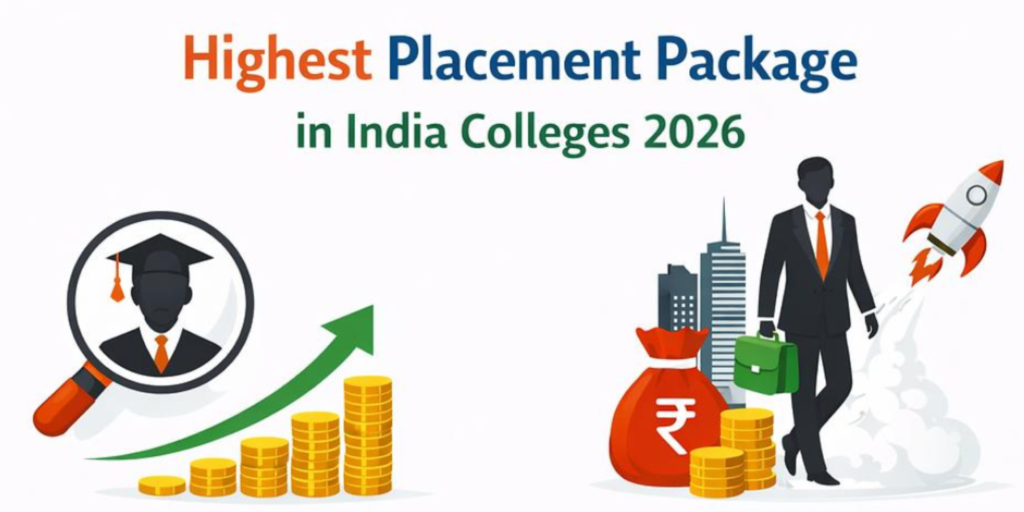
Why Campus Placements Are Changing Rapidly
The Transformation of Modern Campus Placements
Campus placements in India are evolving at an extraordinary pace in 2026 as industries, universities, and employers adapt to technological innovation, digital transformation, artificial intelligence, and changing workforce expectations. Traditional campus recruitment systems that once focused mainly on academic scores and basic technical interviews are now shifting toward skill-based hiring, adaptability, communication abilities, and future-ready professional expertise.
Companies are increasingly searching for graduates capable of handling dynamic workplace environments shaped by automation, AI-powered systems, remote collaboration, and global digital business operations. As a result, campus placements are becoming more competitive, technology-driven, and strategically focused than ever before. Students entering universities today face a very different recruitment environment compared to previous generations.
This rapid transformation positively supports innovation, professional growth, and industry modernization. However, changing placement systems may also create emotional uncertainty, performance anxiety, and pressure among students struggling to adapt to evolving recruitment expectations. Despite these challenges, modern campus placements continue opening powerful career opportunities for future-ready graduates.
Technology Is Reshaping Recruitment Processes
One major reason campus placements are changing rapidly is because technology is transforming hiring systems across industries. Artificial intelligence, automation tools, digital screening software, and virtual interview platforms are now heavily influencing recruitment strategies within universities and corporations.
Many companies use AI-powered resume screening systems to identify candidates with relevant skills, certifications, and project experience before conducting interviews. Online coding assessments, virtual interviews, and remote evaluation systems are replacing traditional recruitment methods in many industries.
Technology-driven recruitment positively improves efficiency and faster candidate selection. Nevertheless, students unfamiliar with digital interview systems and AI-based assessments may experience emotional stress and uncertainty during placement preparation.
Skill-Based Hiring Is Becoming More Important
Modern employers increasingly prioritize practical skills over theoretical academic performance alone. Companies now seek graduates who can solve real-world problems, communicate effectively, adapt quickly to workplace challenges, and contribute to digital business growth.
Campus placements are shifting toward skill-based hiring because industries require professionals capable of handling emerging technologies, collaborative work environments, and rapidly evolving operational systems. Technical certifications, internships, coding abilities, portfolio projects, and communication skills now strongly influence placement outcomes.
This hiring evolution positively encourages practical learning and career readiness among students. However, intense focus on skill development may also create emotional pressure for students balancing academics, internships, certifications, and competitive placement preparation simultaneously.
Artificial Intelligence Creating New Recruitment Trends
Artificial intelligence is not only changing industries but also transforming campus hiring patterns. Companies are recruiting graduates skilled in AI, machine learning, data analytics, cybersecurity, cloud computing, and automation technologies because these areas represent the future of digital business operations.
Students pursuing traditional academic paths without technology awareness may face challenges within modern recruitment environments where AI-related skills are increasingly valued. Universities are responding by introducing specialized technology courses and future-focused learning programs aligned with industry demand.
AI-driven hiring positively strengthens innovation and future career opportunities. However, growing automation concerns may also create emotional uncertainty among students worried about job displacement and rapidly changing workforce requirements.

Remote Work Is Influencing Placement Strategies
The rise of remote work culture has significantly transformed campus placements in recent years. Companies no longer recruit students only for office-based roles within specific cities. Many organizations now offer hybrid or fully remote positions that allow graduates to work from different locations while contributing to global projects.
Remote recruitment systems have expanded placement opportunities for students because geographical limitations are becoming less important in digital industries. Virtual internships, online onboarding, and global collaboration tools are now integrated into modern placement systems.
Remote work positively increases flexibility and career accessibility for graduates. Nevertheless, remote hiring environments may also create emotional isolation and communication challenges for students entering professional life without traditional office experiences.
Universities Are Updating Curriculum Rapidly
Universities are changing academic curriculum structures because placement trends are evolving rapidly. Educational institutions increasingly understand that outdated academic systems may not fully prepare students for modern workplace expectations and digital industries.
Colleges now integrate AI education, coding programs, business analytics, communication training, startup culture, leadership development, and digital certifications into university programs to improve placement success. Industry collaborations and practical learning experiences are becoming more important within higher education systems.
This educational modernization positively improves student employability and professional adaptability. However, rapidly changing curriculum systems may sometimes create adjustment difficulties for students and faculty adapting to new learning models.
Startups Are Becoming Major Recruiters
Startup companies are playing a larger role in campus placements compared to previous years. Many students now receive opportunities from technology startups, digital businesses, fintech companies, AI ventures, and entrepreneurial ecosystems rather than only traditional multinational corporations.
Startups often seek graduates capable of multitasking, problem-solving, innovation, and adaptability within fast-paced environments. Students interested in entrepreneurship and creative industries increasingly view startups as exciting career opportunities offering learning flexibility and growth potential.
Startup recruitment positively encourages innovation and entrepreneurial thinking. Nevertheless, startup careers may also involve uncertainty related to financial stability, workload intensity, and long-term organizational growth.
Communication Skills Matter More Than Before
Communication abilities are becoming highly important within modern campus placements. Employers increasingly value candidates who can collaborate effectively, present ideas clearly, handle professional discussions confidently, and adapt to multicultural work environments.
Students with strong technical knowledge but weak communication skills may struggle during interviews and workplace interactions. Universities are therefore emphasizing personality development, public speaking, teamwork, and emotional intelligence alongside technical education.
Strong communication positively strengthens career confidence and workplace relationships. However, students dealing with social anxiety or low self-confidence may experience emotional discomfort during placement interviews and group discussions.
Internships Are Influencing Final Placements
Internship experience has become one of the strongest factors affecting campus placement outcomes in 2026. Companies increasingly prefer candidates with practical exposure to industry environments because internships demonstrate adaptability, professionalism, and workplace readiness.
Students actively participating in internships often develop stronger technical abilities, networking opportunities, and professional confidence before graduation. Internship performance sometimes directly leads to pre-placement job offers from organizations.
Internship culture positively improves career preparedness and industry exposure. However, highly competitive internship opportunities may also create emotional stress among students trying to build impressive resumes before placements begin.
Global Companies Expanding Campus Recruitment
International companies are increasingly recruiting from Indian universities because India continues producing highly skilled graduates in technology, engineering, management, and digital industries. Global businesses recognize India as an important talent hub for future innovation and digital transformation.
Students now receive opportunities to work with multinational corporations, international startups, and remote global teams through campus placements. Universities with strong international partnerships and technology-focused programs often attract greater recruiter attention.
Global recruitment positively expands career opportunities and international exposure. Nevertheless, intense competition for multinational roles may also create emotionally demanding placement environments for ambitious students.
Social Media Influencing Student Expectations
Social media platforms are significantly affecting how students perceive campus placements and career success. Platforms such as LinkedIn, Instagram, and YouTube constantly showcase placement packages, interview success stories, internship achievements, and corporate lifestyles.
While social media increases career awareness and professional networking opportunities, it may also create unhealthy comparison culture and unrealistic expectations regarding salary growth and immediate success after graduation.
Digital career content positively motivates students to improve professional skills and career planning. However, excessive comparison with peers online may occasionally affect emotional confidence and increase placement-related anxiety.
Mental Pressure During Placement Season
Campus placement seasons can become emotionally intense for students because recruitment outcomes often feel strongly connected to future career success and financial stability. Interview preparation, technical assessments, coding rounds, and peer competition frequently create stress and emotional exhaustion within universities.
Students sometimes experience self-doubt, fear of rejection, and pressure from family expectations during placement periods. Universities are increasingly recognizing the importance of mental wellness support, counseling programs, and emotionally healthy learning environments.
Mental health awareness positively encourages balanced career preparation and emotional resilience. Nevertheless, highly competitive recruitment environments may still create anxiety and performance-related challenges for students.
The Role of Soft Skills in Modern Placements
Soft skills are becoming equally important as technical abilities in modern campus placements. Companies prefer graduates who demonstrate teamwork, leadership potential, emotional intelligence, adaptability, creativity, and strategic thinking alongside academic expertise.
Employers understand that workplace success depends not only on technical knowledge but also on collaboration and communication abilities within fast-changing business environments. Students focusing only on exam performance may struggle if they neglect professional soft skill development.
Soft skill training positively improves employability and workplace adaptability. However, balancing technical preparation with personality development may sometimes feel emotionally demanding for students managing multiple career expectations.
The Future of Campus Placements
The future of campus placements appears increasingly connected to artificial intelligence, digital transformation, remote work systems, entrepreneurship, and skill-based recruitment strategies. Universities and employers will continue adapting placement models to align with evolving industry demands and future workplace structures.
AI-driven hiring systems, virtual recruitment platforms, industry certifications, startup ecosystems, and global remote opportunities will likely shape future placement trends across Indian universities. Students capable of combining technical expertise with adaptability, emotional intelligence, and continuous learning will remain highly valuable within modern industries.
Why campus placements are changing rapidly reflects much deeper transformations happening within education, technology, and global employment culture. The shift goes beyond recruitment processes alone and represents evolving expectations regarding skills, innovation, career readiness, and workplace adaptability. While competition, emotional pressure, and uncertainty remain important challenges, modern campus placements continue creating powerful opportunities for students prepared to succeed within the rapidly evolving professional world of 2026 and beyond.
More Blogs you may read
Why Employers Value Curiosity: How Curiosity Drives Career Growth, Innovation, and Workplace Success 2026
Why Employers Value Curiosity The modern workplace is changing faster...
Read More
Scholarships for Students Excelling in Sports and Academics: A Complete Guide to Funding Higher Education 2026
Scholarships for Students Excelling in Sports and Academics Pursuing higher...
Read MoreGraduate Attributes Every University Should Develop: Essential Skills for Career Success and Lifelong Learning 2026
Graduate Attributes Every University Should Develop Higher education has always...
Read MorePreparing for Two Entrance Exams Together: A Complete Strategy for Smart and Successful Exam Preparation 2026
Preparing for Two Entrance Exams Together Preparing for a single...
Read More