
Preparing for Two Entrance Exams Together
Preparing for a single competitive entrance examination demands discipline, consistency, and careful planning. When students decide to prepare for two entrance examinations simultaneously, the challenge becomes even greater. Different syllabi, separate examination patterns, varying levels of difficulty, multiple deadlines, and increased academic pressure can make the preparation journey appear overwhelming. However, with thoughtful planning, organized study routines, and a balanced learning strategy, Preparing for Two Entrance Exams Together is entirely achievable.
Many students choose this approach because it increases educational opportunities and provides alternative career pathways. For example, a student may prepare for engineering and university entrance examinations together, management and government recruitment examinations simultaneously, or different professional entrance tests that share overlapping subjects. Rather than limiting future options, dual preparation often creates greater flexibility during admission seasons.
The key to Preparing for Two Entrance Exams Together lies in understanding similarities and differences between both examinations. Instead of treating them as completely separate challenges, successful students identify common subjects, overlapping concepts, shared reasoning skills, and transferable knowledge. This integrated approach reduces unnecessary repetition while maximizing study efficiency.
Modern educational resources, digital learning platforms, mock examinations, and personalized study planning have made multiple examination preparation more practical than ever before. Students who remain organized, maintain realistic expectations, revise consistently, and manage their time wisely can prepare confidently without sacrificing academic quality or personal well-being. Rather than increasing confusion, strategic preparation allows both examinations to complement each other while strengthening overall learning.
Understanding the Challenge
Preparing for two entrance examinations simultaneously requires more than simply increasing study hours.
Students must balance different syllabi, examination patterns, revision schedules, mock tests, and application deadlines without losing focus or motivation.
Understanding Preparing for Two Entrance Exams Together begins by recognizing that success depends upon strategy rather than excessive study alone.
Smart planning improves efficiency.
Balanced preparation reduces unnecessary pressure.
Organization creates confidence.
Why Students Choose Dual Exam Preparation
Many students pursue multiple entrance examinations because they wish to expand educational opportunities and reduce uncertainty regarding future admissions.
Preparing for more than one examination allows greater flexibility while supporting alternative career pathways.
The growing popularity of Preparing for Two Entrance Exams Together reflects thoughtful academic planning rather than indecision.
Multiple opportunities strengthen future choices.
Preparation creates flexibility.
Strategic planning supports long-term goals.
Comparing Both Examination Syllabi
The first step involves carefully comparing both examination syllabi.
Many competitive examinations include overlapping subjects such as mathematics, reasoning, language skills, science, general awareness, or analytical thinking.
Understanding Preparing for Two Entrance Exams Together requires identifying these common learning areas before creating study schedules.
Shared topics reduce duplicated effort.
Careful comparison improves planning.
Integrated learning saves valuable time.
Identifying Common Subjects
Instead of studying identical concepts separately for each examination, students should combine preparation wherever possible.
Shared topics allow one study session to strengthen preparation for both examinations simultaneously.
Recognizing common content strengthens Preparing for Two Entrance Exams Together considerably.
Integrated learning increases efficiency.
Shared knowledge supports multiple goals.
Smart preparation reduces repetition.
Understanding Unique Topics
Although examinations often overlap, each assessment also includes specialized subjects requiring dedicated attention.
Students should identify these exclusive topics early rather than postponing them until final revision.
Balanced preparation remains central to Preparing for Two Entrance Exams Together.
Individual examination requirements deserve attention.
Comprehensive preparation builds confidence.
Early planning prevents last-minute pressure.
Creating a Realistic Study Schedule
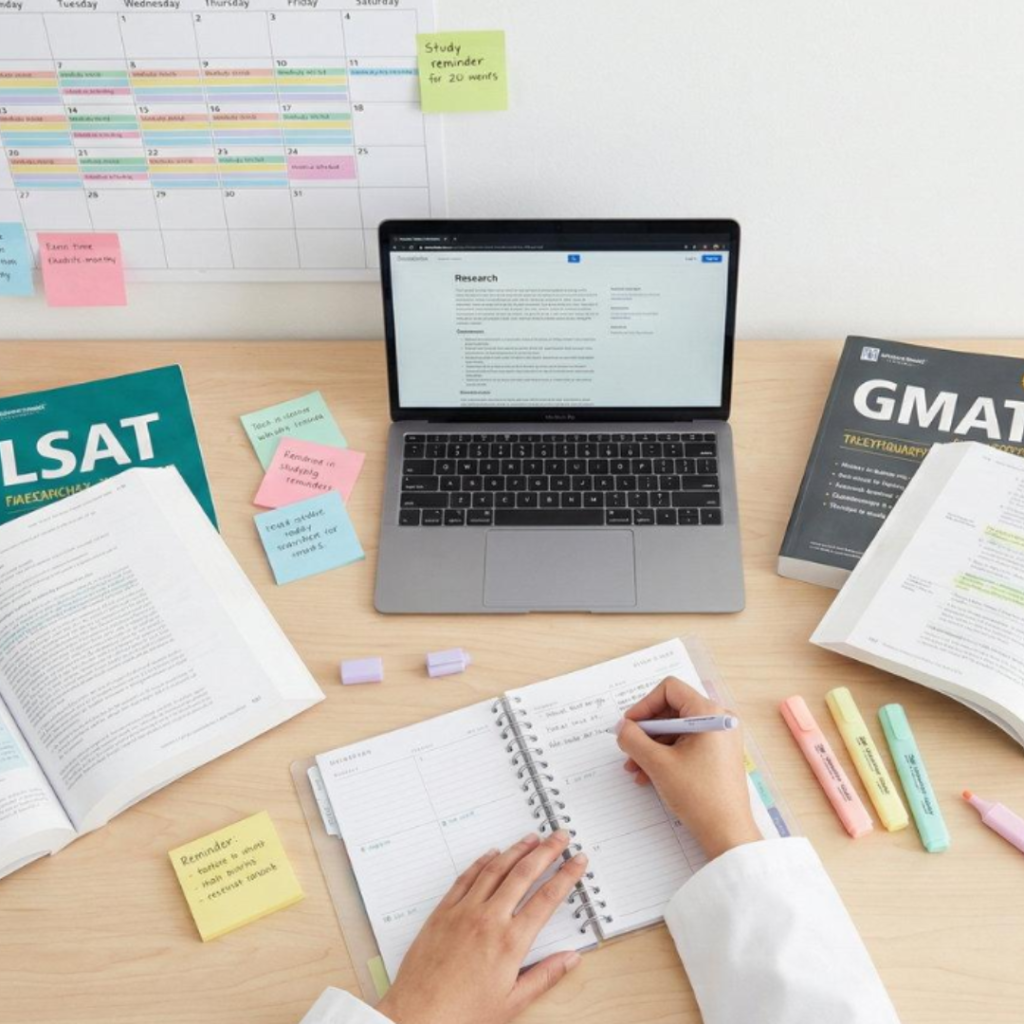
Well-structured schedules remain essential throughout dual examination preparation.
Rather than dividing time equally every day, students should allocate study hours according to syllabus complexity, examination importance, strengths, weaknesses, and approaching deadlines.
Thoughtful scheduling supports Preparing for Two Entrance Exams Together effectively.
Flexible planning improves productivity.
Realistic goals encourage consistency.
Daily organization strengthens discipline.
Prioritizing High-Weightage Topics
Not every topic contributes equally to examination performance.
Understanding examination patterns allows students to prioritize frequently tested concepts while maintaining balanced syllabus coverage.
Priority-based learning strengthens Preparing for Two Entrance Exams Together.
Focused revision increases efficiency.
Strategic preparation improves confidence.
Important topics deserve early attention.

Time Management Becomes Essential
Managing study time effectively often determines success more than increasing total study hours.
Students should balance learning, revision, practice tests, rest, meals, exercise, and sleep without creating unsustainable routines.
Time management represents one of the strongest foundations of Preparing for Two Entrance Exams Together.
Balanced schedules support concentration.
Consistency produces long-term improvement.
Organization reduces unnecessary stress.
Building Strong Fundamentals
Many competitive examinations evaluate conceptual understanding rather than memorization alone.
Students benefit from strengthening fundamental concepts before attempting highly advanced questions.
Understanding Preparing for Two Entrance Exams Together includes developing reliable academic foundations.
Strong basics improve advanced learning.
Conceptual clarity supports confidence.
Knowledge builds progressively.
Importance of Regular Revision
Revision prevents previously learned information from gradually fading over time.
Weekly review sessions help reinforce concepts while identifying areas requiring additional attention.
Consistent revision strengthens Preparing for Two Entrance Exams Together throughout lengthy preparation periods.
Repeated practice improves retention.
Revision strengthens understanding.
Consistency supports examination readiness.
Solving Mock Tests
Mock examinations simulate actual examination conditions while evaluating preparation progress.
Students preparing for multiple examinations should practice separate mock tests for each assessment according to their respective formats.
Regular testing supports Preparing for Two Entrance Exams Together effectively.
Practice improves confidence.
Simulation reduces examination anxiety.
Performance becomes measurable.
Tracking Academic Progress
Monitoring progress allows students to evaluate preparation quality objectively.
Performance records, revision completion, mock examination scores, and topic mastery provide valuable information regarding study effectiveness.
Progress monitoring strengthens Preparing for Two Entrance Exams Together.
Measurement encourages improvement.
Visible progress increases motivation.
Data supports better decisions.
Avoiding Burnout
Preparing for multiple examinations occasionally creates mental fatigue if students ignore rest and personal well-being.
Regular breaks, physical activity, healthy nutrition, sufficient sleep, and relaxation remain important throughout preparation.
Balanced routines strengthen Preparing for Two Entrance Exams Together.
Well-being supports productivity.
Rest improves concentration.
Healthy habits encourage resilience.
Managing Stress Positively
Competitive examinations naturally create periods of uncertainty.
Rather than allowing pressure to become overwhelming, students benefit from maintaining realistic expectations and focusing consistently upon daily progress.
Healthy stress management supports Preparing for Two Entrance Exams Together.
Confidence grows gradually.
Positive routines improve emotional balance.
Steady effort creates lasting progress.
Technology Supports Dual Preparation
Modern educational platforms provide digital lectures, personalized quizzes, adaptive learning systems, online mock examinations, progress analytics, and revision reminders.
These resources significantly improve Preparing for Two Entrance Exams Together.
Technology increases accessibility.
Digital learning improves flexibility.
Smart tools support organization.
Learning From Mistakes
Incorrect answers provide valuable learning opportunities rather than signs of failure.
Carefully reviewing mistakes helps students strengthen weak areas before official examinations.
Constructive analysis contributes significantly to Preparing for Two Entrance Exams Together.
Mistakes encourage growth.
Reflection improves future performance.
Learning remains continuous.
Maintaining Motivation
Long preparation periods occasionally reduce enthusiasm.
Setting small milestones, celebrating consistent progress, and remembering long-term educational goals help maintain motivation throughout the journey.
Motivation strengthens Preparing for Two Entrance Exams Together.
Small achievements encourage persistence.
Purpose supports determination.
Consistent effort builds success.
Support From Teachers and Mentors
Experienced teachers, mentors, counselors, and educational guides provide valuable academic direction while helping students prioritize preparation strategies.
Seeking appropriate guidance strengthens Preparing for Two Entrance Exams Together.
Expert advice improves planning.
Guidance reduces uncertainty.
Experience supports smarter decisions.
Examination Week Strategy
As examination dates approach, students should emphasize revision, confidence-building, practice, and maintaining healthy routines rather than attempting excessive new learning.
Thoughtful final preparation complements Preparing for Two Entrance Exams Together.
Calm preparation supports performance.
Balanced revision improves recall.
Confidence develops through consistency.
Future Benefits of Dual Preparation
Preparing for multiple examinations develops valuable lifelong skills extending beyond academic success.
Time management, adaptability, discipline, planning, resilience, and analytical thinking remain beneficial throughout higher education and professional careers.
Understanding Preparing for Two Entrance Exams Together reveals these broader educational advantages.
Skills extend beyond examinations.
Preparation strengthens personal development.
Learning supports lifelong success.
Conclusion
Preparing for Two Entrance Exams Together may seem demanding at first, but with structured planning, disciplined time management, consistent revision, and smart study techniques, it becomes a practical and rewarding academic strategy. Rather than viewing multiple examinations as competing challenges, successful students identify overlapping subjects, prioritize important topics, create balanced schedules, and use every study session efficiently. By combining focused preparation with regular mock tests, healthy routines, and continuous progress evaluation, students can confidently work toward multiple educational opportunities without sacrificing the quality of their learning.
As you continue Preparing for Two Entrance Exams Together, remember that success is built through consistency rather than intensity alone. Every well-planned study session, every carefully reviewed mistake, and every completed revision strengthens your overall preparation. With patience, adaptability, and a clear strategy, dual examination preparation not only improves your chances of academic success but also develops valuable skills such as discipline, organization, critical thinking, and resilience that will continue supporting your educational journey and future professional career long after the examinations are complete.