
Best Diploma Courses for Career Stability
Why Diploma Courses Are Becoming More Popular
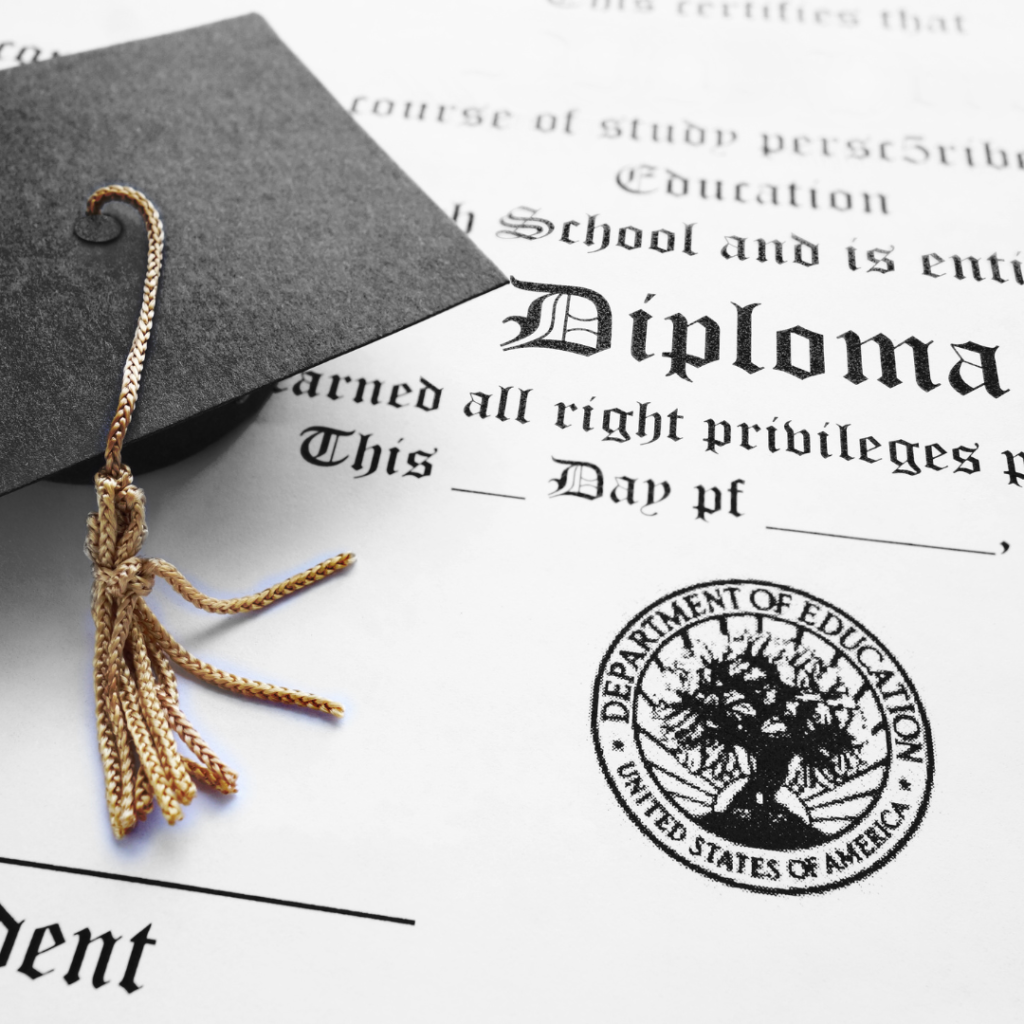
The education and employment landscape is changing rapidly in 2026, and diploma courses are becoming increasingly attractive for students seeking career stability, practical skills, and faster entry into professional industries. Many students and working professionals now prefer diploma programs because they focus heavily on industry-oriented learning, hands-on experience, and job-ready training rather than only theoretical education. As modern industries evolve through digital transformation, automation, artificial intelligence, and global business expansion, skill-based diploma education is gaining significant value within competitive job markets.
Unlike traditional long-duration degree programs, diploma courses often provide specialized technical knowledge within shorter timeframes. Students can quickly develop practical abilities related to technology, healthcare, business management, digital marketing, cybersecurity, hospitality, fashion design, and many other high-demand fields. Employers increasingly prefer candidates with industry-relevant skills and professional adaptability, making diploma programs highly relevant for career-focused learners.
The rise of diploma education positively supports employment opportunities, financial independence, and practical skill development. However, some students may still face emotional uncertainty regarding social perceptions that traditional university degrees carry stronger prestige compared to diploma qualifications. Despite these concerns, diploma courses continue creating powerful pathways toward stable and future-focused careers.
Career Stability Is Becoming a Major Priority
Career stability has become one of the strongest concerns among students and professionals in modern society. Economic uncertainty, technological disruption, automation, and rapidly changing job markets are encouraging people to seek educational programs that provide long-term professional security and adaptability.
Diploma courses are increasingly viewed as reliable educational investments because they focus directly on industry demands and practical employability. Many diploma programs teach specialized technical abilities that remain valuable across evolving industries, helping graduates secure employment more quickly than certain traditional academic pathways.
This focus on career stability positively strengthens financial confidence and professional preparedness. Nevertheless, highly competitive industries may still require continuous skill development and adaptability even after completing diploma education.
Technology Diploma Courses Driving Career Growth
Technology-focused diploma courses remain among the most popular options for career stability in 2026. Programs related to software development, cybersecurity, cloud computing, artificial intelligence, data analytics, web development, and networking systems continue attracting large numbers of students because digital industries are expanding rapidly worldwide.
Businesses increasingly rely on technology professionals capable of managing digital systems, protecting online infrastructure, and supporting automation-driven operations. Diploma programs teaching coding, cybersecurity tools, AI systems, and software engineering skills often provide strong placement opportunities and future career growth.
Technology education positively strengthens innovation and employability within digital economies. However, rapidly evolving technical industries may also create emotional pressure for professionals constantly needing to update skills and certifications.
Healthcare Diploma Courses Offering Strong Stability
Healthcare remains one of the most stable and respected career sectors globally. Diploma courses related to nursing assistance, medical laboratory technology, radiology, healthcare administration, physiotherapy support, and emergency medical services are becoming increasingly popular because healthcare industries continue expanding rapidly.
Hospitals, clinics, diagnostic centers, and healthcare organizations require skilled professionals capable of supporting patient care, medical technology systems, and healthcare operations. Healthcare diploma graduates often experience strong job security because medical services remain essential regardless of economic changes.
Healthcare education positively supports social contribution and professional reliability. Nevertheless, healthcare environments can also become emotionally demanding because professionals frequently manage stressful situations and high-responsibility work conditions.
Digital Marketing Diploma Programs Growing Rapidly
Digital marketing diploma courses are becoming highly attractive because businesses increasingly depend on online branding, social media marketing, SEO strategies, content creation, and digital advertising campaigns to remain competitive within modern markets.
Students pursuing digital marketing diplomas often learn practical skills related to search engine optimization, online branding, email marketing, influencer campaigns, social media management, and website analytics. These abilities create opportunities within startups, e-commerce businesses, media agencies, and freelance industries.
Digital marketing education positively supports creativity and remote career flexibility. However, rapidly changing social media algorithms and competitive online environments may also create professional uncertainty and continuous learning pressure.
Diploma Courses Supporting Faster Employment
One major reason diploma courses are gaining popularity is because they often provide quicker access to employment opportunities compared to longer academic programs. Many diploma courses focus heavily on practical training and industry-oriented skill development, allowing students to enter professional environments within shorter periods.
Students seeking financial independence or immediate job opportunities frequently prefer diploma education because it reduces educational costs and accelerates career entry. Employers often value practical abilities and workplace readiness alongside academic qualifications.
This employment-focused approach positively supports economic stability and workforce participation. However, certain advanced management positions may still prioritize traditional degree qualifications within highly competitive corporate structures.
Artificial Intelligence and Data Analytics Diplomas
Artificial intelligence and data analytics diploma courses are rapidly becoming some of the strongest future-focused educational choices in 2026. Businesses increasingly depend on AI systems, predictive analytics, automation technologies, and intelligent data management for operational efficiency and strategic growth.
Diploma programs teaching machine learning basics, data visualization, business analytics, and AI tools help students develop highly valuable technical abilities aligned with modern industry demand. Graduates often explore careers within technology companies, financial organizations, healthcare systems, and digital startups.
AI-focused diploma education positively supports future career readiness and innovation. However, intense competition within technology sectors may also create emotionally demanding learning environments for students entering advanced digital industries.
Hospitality and Tourism Diploma Courses
Hospitality and tourism diploma programs continue offering stable career opportunities because global travel, luxury services, event management, and customer experience industries are recovering and expanding rapidly. Hotels, resorts, airlines, restaurants, and tourism businesses require skilled professionals capable of managing guest experiences and operational systems efficiently.
Hospitality diploma courses often teach communication skills, customer service management, event planning, travel operations, and business coordination. Graduates may pursue careers in luxury hotels, international tourism companies, cruise industries, and event management firms.
Hospitality education positively strengthens interpersonal skills and global career flexibility. Nevertheless, service industries may occasionally involve irregular working hours and emotionally demanding customer interactions.
Fashion and Design Diploma Courses Expanding
Creative industries are also contributing to the popularity of diploma education. Fashion design, graphic design, interior design, animation, video editing, photography, and multimedia production diploma programs attract students seeking artistic and flexible career paths.
Modern businesses increasingly value visual branding, digital content creation, luxury aesthetics, and creative communication. Diploma courses focused on design and media often provide practical portfolio-building opportunities and freelance career potential.
Creative diploma education positively encourages innovation and self-expression. However, creative industries may sometimes involve financial unpredictability and highly competitive professional environments.

Online Diploma Courses Increasing Accessibility
Online learning platforms are significantly expanding access to diploma education worldwide. Students can now pursue diploma certifications in technology, business management, healthcare administration, marketing, leadership, and creative industries through flexible virtual learning systems.
Online diploma courses allow learners to balance work responsibilities, personal commitments, and skill development while studying remotely. Many professionals use online certifications to improve employability and transition into new career fields.
Online diploma education positively increases learning flexibility and educational accessibility. Nevertheless, virtual learning environments may occasionally reduce direct networking opportunities and practical classroom interaction experiences.
Skill-Based Education Becoming More Valuable
Modern employers increasingly value practical skills, adaptability, and workplace readiness over purely theoretical academic knowledge. Diploma courses align strongly with this industry trend because they focus heavily on hands-on training, technical expertise, and professional application.
Companies now prioritize employees capable of solving real-world challenges, managing digital tools, and adapting quickly to changing operational systems. Diploma graduates often develop specialized abilities that directly match employer expectations within targeted industries.
Skill-based education positively strengthens employability and career adaptability. However, students lacking continuous learning motivation may struggle to remain competitive within rapidly evolving professional environments.
Emotional Pressure Surrounding Career Decisions
Although diploma courses offer strong opportunities, students often experience emotional pressure while selecting educational pathways. Social comparison, family expectations, financial concerns, and uncertainty regarding future industries may create stress and confusion during career planning.
Many learners worry about whether diploma qualifications will provide enough long-term stability compared to university degrees. However, modern industries increasingly recognize practical expertise and specialized training as highly valuable professional assets.
Career awareness positively encourages informed educational choices and realistic goal setting. Nevertheless, balancing ambition, financial planning, and emotional confidence remains challenging for many students navigating competitive education systems.
The Future of Diploma Education
The future of diploma education appears highly connected to digital transformation, skill-based learning, artificial intelligence, healthcare innovation, and flexible career development. Educational institutions will likely continue expanding diploma programs focused on emerging industries and future-ready technical abilities.
Technology integration, virtual learning systems, industry collaborations, and practical training models will further strengthen the relevance of diploma education within modern job markets. Students increasingly seek career-focused learning environments capable of delivering stable employment opportunities and professional adaptability.
Best diploma courses for career stability represent much more than short-term educational programs alone. They reflect the growing importance of practical expertise, future-ready skills, and professional flexibility within rapidly changing global industries. While competition, technological disruption, and social perceptions remain important considerations, diploma education continues creating valuable pathways toward stable careers, financial independence, and long-term professional growth in 2026 and beyond.
More Blogs you may read
Why Competitive Exams Are Becoming More Difficult: Rising Competition and Academic Pressure in Modern Education
Why Competitive Exams Are Becoming More Difficult Competitive exams have...
Read More
International Collaborations Between Indian Universities: Global Partnerships Transforming Higher Education in India
International Collaborations Between Indian Universities The landscape of higher education...
Read MoreWhy Campus Placements Are Changing Rapidly in 2026 | Future Job Trends in India
Why Campus Placements Are Changing Rapidly The Transformation of Modern...
Read MoreBest Diploma Courses for Career Stability in 2026 | High-Demand Career Programs
Best Diploma Courses for Career Stability Why Diploma Courses Are...
Read More
Hi, this is a comment.
To get started with moderating, editing, and deleting comments, please visit the Comments screen in the dashboard.
Commenter avatars come from Gravatar.