How Climate Change Is Creating New Job Markets
Climate change is often discussed in relation to rising temperatures, extreme weather events, environmental concerns, and global sustainability challenges. While these issues continue to create significant pressure on governments, businesses, and communities, another important transformation is taking place behind the scenes. Climate change is not only reshaping the environment—it is also reshaping the global economy and creating entirely new job markets.
In 2026, organizations across the world are investing heavily in clean energy, sustainable infrastructure, environmental innovation, carbon reduction strategies, and green technologies. These investments are generating thousands of new employment opportunities that did not exist a decade ago. As industries adapt to environmental challenges and sustainability goals, demand for skilled professionals is increasing rapidly.
The relationship between climate change and employment may seem surprising at first. However, as businesses work to reduce environmental impact and governments introduce climate-focused policies, new career paths are emerging across multiple sectors. Renewable energy, environmental consulting, sustainable construction, electric mobility, green finance, climate technology, and carbon management are becoming major sources of job creation.
For students, graduates, and professionals looking toward future careers, understanding how climate change is influencing job markets has become increasingly important. The transition toward a greener economy is creating opportunities that combine innovation, technology, science, business, and environmental responsibility.
The future workforce will likely include millions of professionals working directly or indirectly in climate-related industries.
Why Climate Change Is Reshaping Employment
The growing impact of climate change has encouraged governments and businesses to rethink how economies operate. Rising environmental concerns have increased demand for cleaner energy sources, sustainable production methods, and environmentally responsible business practices.
Companies are investing in climate solutions not only because of regulatory requirements but also because consumers increasingly support sustainable brands and environmentally conscious organizations.
This shift has created strong demand for workers who understand renewable energy, sustainability planning, environmental regulations, resource management, and green innovation.
The transformation is occurring across industries rather than within a single sector. Manufacturing, transportation, construction, agriculture, finance, technology, and education are all adapting to climate-related challenges.
As organizations pursue sustainability goals, they require professionals capable of helping them achieve environmental targets while maintaining business growth.
The result is the creation of entirely new job categories alongside the expansion of existing professions.
Climate change is becoming a major driver of employment innovation worldwide.
Renewable Energy Careers Are Growing Rapidly
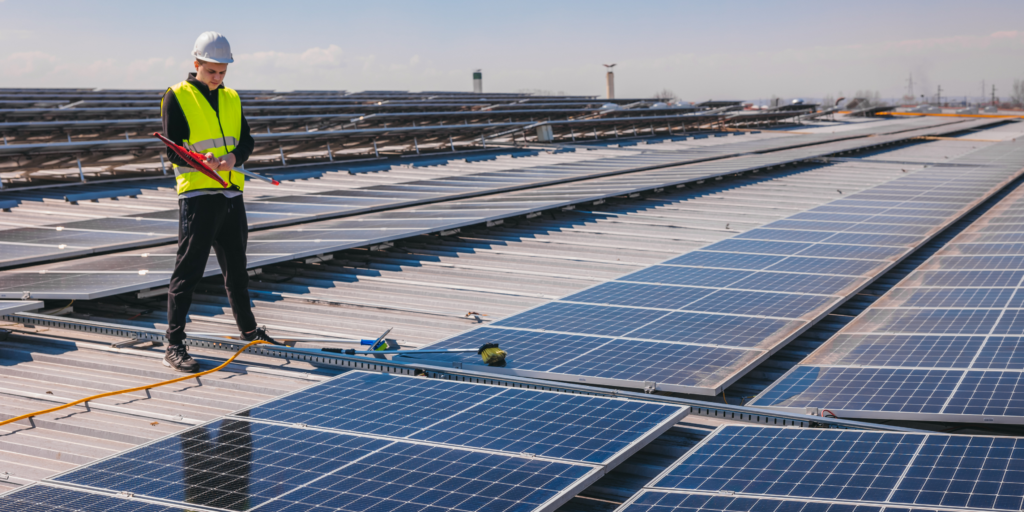
One of the most visible examples of climate-driven job growth is the renewable energy sector. Solar power, wind energy, hydropower, and other clean energy technologies are expanding rapidly as countries seek alternatives to fossil fuels.
Renewable energy projects require engineers, technicians, project managers, environmental specialists, data analysts, maintenance experts, and research professionals.
The transition toward clean energy has created significant employment opportunities because renewable infrastructure requires planning, construction, installation, monitoring, and ongoing maintenance.
Students pursuing engineering, environmental science, technology, and project management increasingly find attractive opportunities within renewable energy industries.
Governments and private organizations continue investing billions into renewable energy development, creating strong long-term demand for skilled professionals.
The growth of renewable energy careers reflects how climate solutions can also support economic development and job creation.
The clean energy industry is expected to remain one of the fastest-growing employment sectors for years to come.
Sustainability Careers Are Becoming Mainstream
A few years ago, sustainability roles were often limited to specialized environmental organizations. Today, sustainability has become a strategic priority for businesses across multiple industries.
Companies now hire sustainability managers, environmental compliance specialists, ESG analysts, sustainability consultants, and corporate responsibility professionals to help achieve environmental objectives.
These roles focus on reducing waste, improving resource efficiency, lowering carbon emissions, and developing responsible business strategies.
Organizations increasingly recognize that sustainability can strengthen brand reputation, attract customers, and improve long-term resilience.
As a result, sustainability careers are moving from niche positions into mainstream business functions.
Students interested in business, environmental studies, economics, and management are discovering exciting opportunities within this growing field.
The demand for sustainability expertise continues increasing as environmental accountability becomes a key business priority.

The Rise of Climate Technology Jobs
Technology is playing a central role in addressing climate challenges. Companies are developing innovative solutions that improve energy efficiency, monitor environmental conditions, optimize resource usage, and reduce emissions.
This has created a growing market for climate technology jobs. Software developers, data scientists, artificial intelligence specialists, engineers, and technology researchers are contributing to environmental innovation.
Climate technology combines digital expertise with sustainability goals, creating highly attractive career opportunities for technology-focused professionals.
Organizations use advanced analytics to monitor energy consumption, predict environmental risks, and improve operational efficiency.
Artificial intelligence and machine learning are helping businesses identify opportunities for reducing environmental impact while maintaining productivity.
The intersection of technology and sustainability is becoming one of the most dynamic areas of future job creation.
Climate technology careers represent a powerful example of how innovation can address environmental challenges while generating economic growth.
Green Construction and Sustainable Infrastructure
The construction industry is also experiencing significant transformation due to climate-related priorities. Governments and developers are increasingly investing in sustainable buildings, energy-efficient infrastructure, and environmentally responsible urban planning.
Green construction projects require architects, engineers, environmental consultants, urban planners, and sustainability specialists who understand modern environmental standards.
Energy-efficient buildings help reduce emissions while lowering long-term operational costs. As a result, demand for professionals skilled in sustainable design continues rising.
Infrastructure projects focused on climate resilience are creating additional opportunities in engineering, project management, and environmental assessment.
Cities worldwide are adapting to changing environmental conditions through innovative infrastructure development.
The expansion of sustainable construction demonstrates how climate adaptation efforts contribute directly to employment growth.
Green infrastructure is becoming a cornerstone of future urban development strategies.
Electric Vehicles Are Creating New Opportunities
Transportation is another industry experiencing major changes due to climate concerns. The shift toward electric vehicles is generating demand for professionals involved in manufacturing, battery technology, charging infrastructure, software development, and maintenance services.
Electric vehicle companies require engineers, technicians, supply chain specialists, designers, and energy experts to support growing production and adoption.
Governments are encouraging electric mobility through incentives, infrastructure investments, and environmental regulations.
As transportation systems become cleaner and more technologically advanced, employment opportunities continue expanding across related industries.
The electric vehicle sector represents one of the most exciting areas of climate-related job growth.
Students interested in automotive technology, engineering, renewable energy, and advanced manufacturing are increasingly exploring careers connected to electric mobility.
The transition toward sustainable transportation is creating opportunities across both public and private sectors.

Green Finance Is Emerging as a Powerful Career Field
Financial institutions are also responding to climate change by incorporating sustainability into investment strategies and business decisions.
Green finance focuses on funding environmentally responsible projects, renewable energy initiatives, sustainable infrastructure, and climate-focused innovation.
This growing sector requires analysts, investment professionals, risk managers, sustainability advisors, and financial consultants who understand both environmental and economic factors.
Investors increasingly evaluate organizations based on environmental performance and long-term sustainability goals.
As climate considerations become more important in financial markets, demand for professionals with expertise in green finance continues growing.
The combination of finance and sustainability creates attractive career opportunities for individuals interested in economics, business, and environmental impact.
Green finance demonstrates how climate-related challenges are influencing even traditionally non-environmental industries.
Agriculture and Environmental Careers Are Evolving
Climate change is significantly affecting agriculture, encouraging the adoption of sustainable farming practices and environmental technologies.
Agricultural professionals now work on improving water efficiency, soil health, crop resilience, and resource management.
Environmental scientists, agricultural consultants, sustainability researchers, and climate adaptation specialists are helping communities respond to changing conditions.
Technology-driven farming solutions are creating additional opportunities in agricultural innovation and environmental monitoring.
The need to protect food systems while addressing environmental concerns is generating demand for skilled professionals across agricultural sectors.
Climate adaptation within agriculture represents another growing source of future employment opportunities.
Sustainable food production is becoming increasingly important for both economic stability and environmental responsibility.
Challenges Within Climate-Driven Job Markets
While climate-related industries create exciting opportunities, they also present challenges. Some traditional industries may experience workforce transitions as economies move toward cleaner technologies and sustainable practices.
Workers may need retraining and skill development to adapt successfully to changing employment landscapes.
Educational institutions must also update programs to prepare students for emerging climate-related careers.
Additionally, businesses face challenges balancing environmental goals with economic considerations and operational realities.
Despite these obstacles, the overall direction remains clear. Climate adaptation and sustainability efforts are creating substantial opportunities for innovation and workforce growth.
The ability to adapt and learn new skills will be increasingly important in climate-driven job markets.
The Future of Climate Change Careers
The future of climate change careers appears highly promising. Governments, corporations, research institutions, and international organizations continue investing in sustainability initiatives and environmental innovation.
As climate challenges become more urgent, demand for professionals capable of developing and implementing solutions is expected to increase significantly.
Future job markets will likely include expanded opportunities in renewable energy, environmental technology, sustainable business, green finance, climate policy, and resource management.
Students entering higher education today may find themselves working in professions that barely existed a few years ago.
Climate change is creating not only environmental challenges but also powerful opportunities for economic transformation and career development.
The green economy is becoming one of the most influential employment drivers of the modern era.
Conclusion
Climate change is creating new job markets by driving investments in renewable energy, sustainability, climate technology, green finance, electric mobility, and environmental innovation. As organizations adapt to environmental challenges and pursue sustainability goals, demand for skilled professionals continues growing across industries.
These emerging career opportunities demonstrate that climate action and economic growth can work together. While environmental concerns create complex challenges, they also inspire innovation, entrepreneurship, and workforce expansion.
For students and professionals seeking future-ready careers, climate-related industries offer exciting pathways that combine technology, creativity, problem-solving, and positive impact.
The transition toward a greener economy is reshaping the future of work. Those who develop relevant skills and remain adaptable will be well positioned to thrive in the expanding climate-driven job market of 2026 and beyond.
More Blogs you may read
Why Employers Value Curiosity: How Curiosity Drives Career Growth, Innovation, and Workplace Success 2026
Why Employers Value Curiosity The modern workplace is changing faster...
Read More
Scholarships for Students Excelling in Sports and Academics: A Complete Guide to Funding Higher Education 2026
Scholarships for Students Excelling in Sports and Academics Pursuing higher...
Read MoreGraduate Attributes Every University Should Develop: Essential Skills for Career Success and Lifelong Learning 2026
Graduate Attributes Every University Should Develop Higher education has always...
Read MorePreparing for Two Entrance Exams Together: A Complete Strategy for Smart and Successful Exam Preparation 2026
Preparing for Two Entrance Exams Together Preparing for a single...
Read More