
Future Careers in Virtual Reality and Augmented Reality
Technology has consistently transformed the way people work, communicate, learn, and experience the world around them. Among the most exciting innovations shaping the future are Virtual Reality (VR) and Augmented Reality (AR). Once considered futuristic concepts limited to gaming and entertainment, these technologies have evolved into powerful tools influencing industries such as healthcare, education, manufacturing, retail, architecture, tourism, and business training. As adoption continues to expand, future careers in Virtual Reality and Augmented Reality are becoming some of the most promising opportunities in the digital economy.
In 2026, organizations across the world are investing heavily in immersive technology solutions to improve customer experiences, employee training, product design, and digital interaction. Virtual Reality creates fully digital environments that users can explore through specialized devices, while Augmented Reality enhances the physical world by overlaying digital information onto real surroundings. Together, these technologies are changing how businesses operate and how consumers engage with products and services.
The rapid growth of VR and AR industries is generating demand for professionals with technical expertise, creative thinking, design capabilities, and problem-solving skills. Students and job seekers are increasingly exploring careers connected to immersive technologies because these fields combine innovation, creativity, and future-focused opportunities.
As businesses continue adopting immersive experiences, Virtual Reality careers and Augmented Reality careers are expected to become major contributors to the future job market.
Why VR and AR Are Transforming Modern Industries
The growing popularity of Virtual Reality and Augmented Reality is driven by their ability to create interactive and engaging experiences. Traditional digital tools often rely on screens and passive interaction. VR and AR provide more immersive environments that allow users to experience information in highly visual and practical ways.
Companies are using these technologies to improve customer engagement, employee productivity, and operational efficiency. Educational institutions are incorporating immersive learning experiences into classrooms, while healthcare providers use virtual simulations for medical training and patient care.
Retail businesses allow customers to visualize products before purchasing. Architects create virtual building walkthroughs, and manufacturers use AR tools to improve production processes.
These applications demonstrate how immersive technology is becoming valuable across multiple sectors rather than remaining limited to entertainment.
As organizations recognize the benefits of VR and AR solutions, demand for professionals capable of creating and managing these experiences continues increasing rapidly.
The widespread adoption of immersive technologies is opening entirely new career pathways.
The Rise of Virtual Reality Developers
One of the most in-demand careers within the VR industry is the role of a Virtual Reality developer. These professionals design and build immersive virtual environments using programming languages, game engines, and specialized development tools.
Virtual Reality developers create applications for gaming, education, healthcare, training simulations, tourism, and enterprise solutions. Their work involves coding interactive experiences, optimizing performance, and ensuring smooth user interaction.
As businesses increasingly integrate virtual environments into operations, the need for skilled developers continues expanding.
Students interested in software development, computer science, and interactive design often find VR development highly attractive because it combines technical expertise with creative innovation.
The growing popularity of virtual training programs, digital collaboration spaces, and immersive entertainment ensures strong demand for VR developers in the future.
This profession represents one of the most important foundations of the Virtual Reality industry.
Augmented Reality Developers Are Becoming Essential
Augmented Reality developers play a similar but distinct role. Instead of creating entirely digital worlds, they develop applications that blend digital information with real-world environments.
AR applications are widely used in retail, navigation, healthcare, education, manufacturing, and marketing. Consumers can virtually try products, access interactive information, or receive real-time guidance through AR experiences.
Developers working in this field require expertise in programming, mobile application development, 3D modeling, and user interaction design.
As smartphones, wearable devices, and smart glasses become more advanced, AR applications are expected to become even more common in everyday life.
This expansion is creating strong opportunities for professionals who understand how to design seamless and engaging augmented experiences.
Augmented Reality careers are likely to remain highly valuable as digital and physical environments become increasingly connected.
The Growing Demand for XR Designers
Extended Reality, commonly known as XR, combines Virtual Reality, Augmented Reality, and Mixed Reality technologies. XR designers focus on creating user experiences that feel intuitive, immersive, and engaging.
These professionals work on visual design, interface development, storytelling, and interaction planning. Their goal is to ensure users can navigate immersive environments comfortably and effectively.
Good design plays a critical role in the success of VR and AR applications because even advanced technology can fail if users find experiences confusing or difficult to use.
XR designers often collaborate with developers, artists, researchers, and business teams to create meaningful digital experiences.
Students interested in creativity, user experience design, and digital innovation may find XR design careers particularly appealing.
As immersive technologies become more sophisticated, the importance of thoughtful design continues growing.
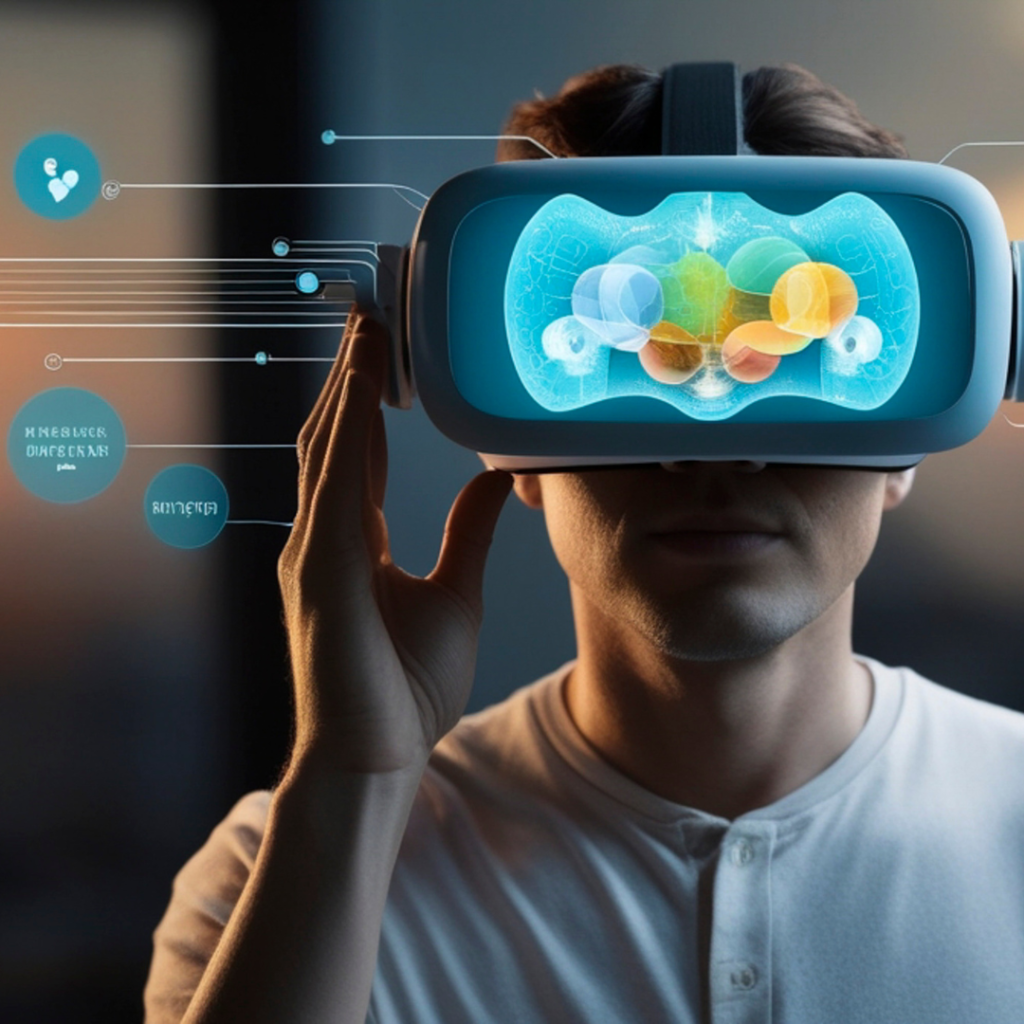
Virtual Reality Careers in Education
Education is emerging as one of the most promising sectors for Virtual Reality and Augmented Reality applications. Schools, universities, and training organizations increasingly use immersive experiences to improve learning outcomes.
Students can explore historical locations, conduct virtual science experiments, and practice professional skills within simulated environments.
This transformation is creating opportunities for educational technology specialists, VR curriculum developers, instructional designers, and immersive learning consultants.
Professionals in these roles combine educational expertise with technological understanding to create engaging learning experiences.
The future of education is becoming more interactive and personalized, increasing demand for specialists who can develop innovative teaching solutions.
Virtual Reality careers connected to education are expected to expand significantly in the coming years.
Healthcare Is Creating New Opportunities
Healthcare organizations are adopting VR and AR technologies for training, therapy, surgical planning, rehabilitation, and patient education.
Medical professionals use virtual simulations to practice complex procedures in safe environments. Patients benefit from immersive therapies that support mental health treatment and pain management.
These advancements are creating opportunities for healthcare technology specialists, simulation developers, medical visualization experts, and immersive training consultants.
Professionals working at the intersection of healthcare and technology often contribute to life-changing innovations that improve patient outcomes.
The growing use of immersive technology within medicine represents a powerful source of future employment opportunities.
Healthcare-focused VR and AR careers combine technical knowledge with meaningful social impact.
The Metaverse and Digital Experiences
The concept of the metaverse has generated significant attention in recent years. While opinions about its future vary, the broader trend toward immersive digital experiences continues gaining momentum.
Companies are investing in virtual collaboration spaces, digital events, virtual commerce, and interactive online communities.
These developments create demand for metaverse developers, virtual environment designers, community managers, digital asset creators, and immersive content specialists.
Although the long-term shape of the metaverse remains uncertain, organizations clearly recognize the value of enhanced digital interaction.
Professionals capable of building and managing immersive environments are likely to benefit as these technologies continue evolving.
The growth of digital experiences extends far beyond entertainment and includes business, education, and social engagement.

Creative Careers in VR and AR
Not all VR and AR careers require advanced programming skills. Creative professionals play a vital role in developing immersive experiences.
3D artists, animators, storytellers, content creators, sound designers, and visual effects specialists contribute to the creation of realistic and engaging environments.
Immersive technologies rely heavily on creativity because users expect experiences that feel believable, attractive, and emotionally engaging.
Creative professionals help transform technical concepts into meaningful experiences that capture attention and deliver value.
Students interested in art, design, media production, and storytelling can explore exciting opportunities within the VR and AR ecosystem.
The combination of technology and creativity makes immersive industries especially appealing to innovative thinkers.
Challenges Within VR and AR Career Growth
Although the future appears promising, VR and AR industries also face challenges. Technology development costs remain relatively high, and widespread adoption depends on continued improvements in hardware accessibility and user experience.
Some businesses remain cautious about large-scale investments until technologies become more mature and affordable.
Professionals entering these fields must also commit to continuous learning because immersive technologies evolve rapidly.
Competition may increase as more students recognize the potential of these industries and pursue related education.
However, these challenges are common within emerging technology sectors and often accompany significant growth opportunities.
Individuals who remain adaptable and continue developing relevant skills are likely to benefit from industry expansion.
Skills Needed for Future VR and AR Careers
Success in Virtual Reality and Augmented Reality careers often requires a combination of technical and creative skills. Programming knowledge, 3D modeling, software development, game engine expertise, and user experience design are highly valuable.
Communication, teamwork, creativity, and problem-solving abilities are equally important because immersive projects typically involve multidisciplinary collaboration.
Students interested in these industries should explore areas such as computer science, digital design, animation, game development, artificial intelligence, and interactive media.
Continuous learning remains essential because tools, platforms, and technologies evolve rapidly.
The ability to adapt and innovate will be one of the strongest advantages in immersive technology careers.
Conclusion
Future careers in Virtual Reality and Augmented Reality are becoming increasingly important as immersive technologies reshape industries across the globe. From education and healthcare to manufacturing, retail, and entertainment, VR and AR solutions are creating exciting opportunities for professionals with technical, creative, and strategic skills.
The growing demand for VR developers, AR specialists, XR designers, immersive content creators, and technology consultants demonstrates the expanding influence of these technologies. As businesses continue investing in digital innovation, the need for skilled professionals will only increase.
Although challenges such as technology adoption and industry competition exist, the long-term outlook for Virtual Reality careers and Augmented Reality careers remains highly encouraging. Students who develop relevant skills today will be better positioned to take advantage of tomorrow’s opportunities.
As the digital world becomes more immersive and interactive, VR and AR professionals will help shape how people learn, work, communicate, and experience technology in the future. These careers are not simply emerging trends—they represent a major part of the next generation of innovation and employment.
More Blogs you may read
Why Employers Value Curiosity: How Curiosity Drives Career Growth, Innovation, and Workplace Success 2026
Why Employers Value Curiosity The modern workplace is changing faster...
Read More
Scholarships for Students Excelling in Sports and Academics: A Complete Guide to Funding Higher Education 2026
Scholarships for Students Excelling in Sports and Academics Pursuing higher...
Read MoreGraduate Attributes Every University Should Develop: Essential Skills for Career Success and Lifelong Learning 2026
Graduate Attributes Every University Should Develop Higher education has always...
Read MorePreparing for Two Entrance Exams Together: A Complete Strategy for Smart and Successful Exam Preparation 2026
Preparing for Two Entrance Exams Together Preparing for a single...
Read More