
Myths and Facts About Vocational Education: Understanding the Real Value of Skill-Based Learning
Education is changing rapidly as industries seek professionals who possess both theoretical knowledge and practical expertise. Employers no longer evaluate candidates solely on academic qualifications. Instead, they increasingly value technical competence, problem-solving ability, communication skills, adaptability, and workplace readiness. This transformation has significantly increased the importance of vocational education. However, despite its growing popularity, many misconceptions continue influencing students and parents when making educational decisions. Understanding the Myths and Facts About Vocational Education helps learners separate outdated assumptions from reality while making informed choices about their future careers.
Vocational education focuses on developing practical skills directly connected to industry requirements. Unlike traditional education that often emphasizes theoretical understanding, vocational programs prepare students for real workplace responsibilities through hands-on training, technical instruction, internships, and professional exposure. These programs serve industries such as healthcare, information technology, hospitality, construction, manufacturing, fashion, automotive services, agriculture, digital marketing, media, renewable energy, and many others.
The increasing importance of Myths and Facts About Vocational Education reflects the growing demand for skilled professionals across global industries. Governments, educational institutions, and employers increasingly recognize that practical learning contributes significantly toward economic growth, innovation, entrepreneurship, and workforce development. Nevertheless, outdated beliefs sometimes discourage capable students from exploring vocational pathways that may perfectly match their interests and career aspirations.
Understanding the truth behind vocational education allows students to appreciate its value while recognizing that career success depends upon continuous learning, dedication, adaptability, and professional competence rather than educational stereotypes.
Understanding Vocational Education
Vocational education refers to structured learning programs designed to develop occupation-specific knowledge, practical skills, and workplace readiness.
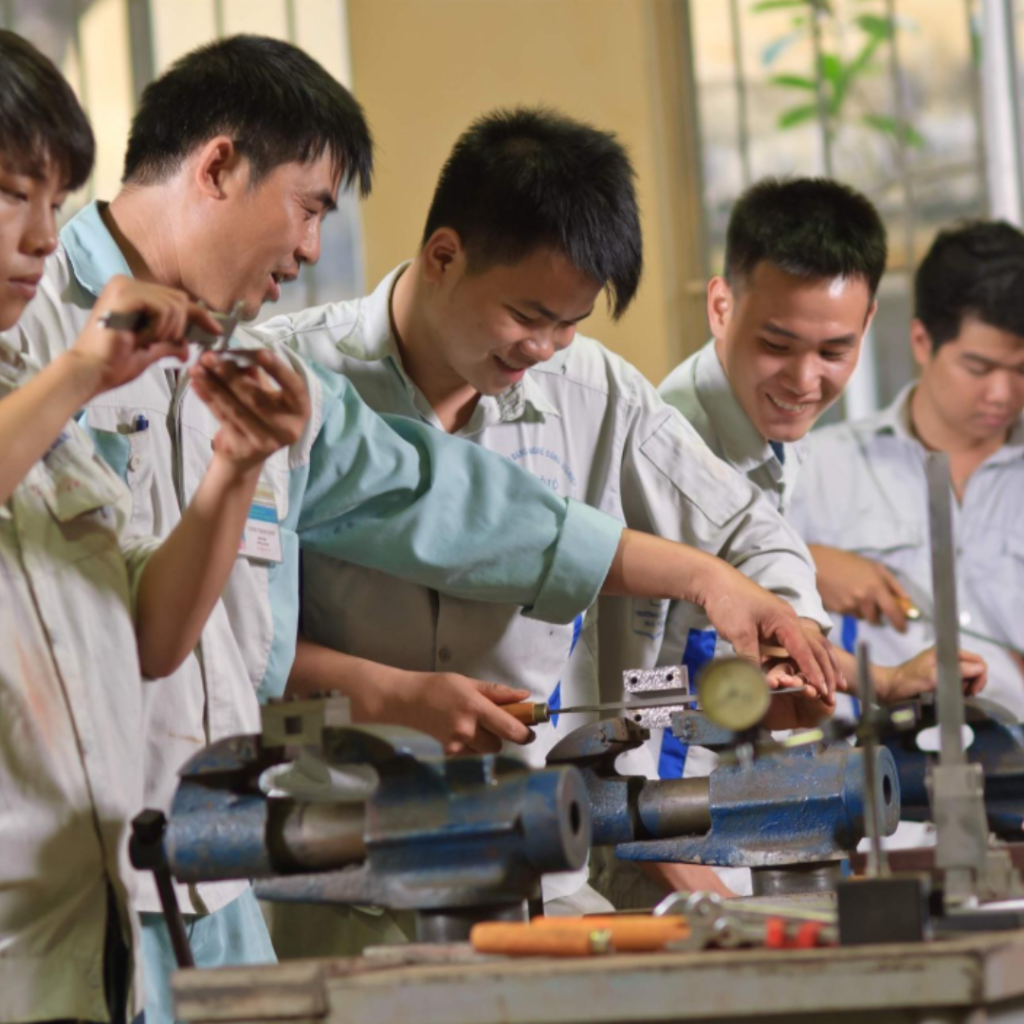
Students receive training through laboratories, workshops, simulations, internships, and industry projects that closely reflect professional environments.
One reason the Myths and Facts About Vocational Education deserve careful attention is because today’s industries increasingly require practical expertise alongside academic understanding.
Practical education creates career readiness.
Professional skills strengthen employability.
Why Misconceptions Continue to Exist
Many misconceptions originated decades ago when vocational education received less recognition than traditional academic degrees.
Modern industries, however, have transformed dramatically, increasing demand for technically skilled professionals capable of solving practical workplace challenges.
Changing industries require updated perspectives.
Knowledge replaces outdated assumptions.
Myth: Vocational Education Is Only for Weak Students
One of the most common misunderstandings suggests vocational education suits only students who struggle academically.
In reality, vocational programs require technical competence, discipline, creativity, critical thinking, problem-solving, communication, and continuous learning.
Students from diverse academic backgrounds choose vocational education because it aligns with their career goals.
Skill development requires dedication.
Capability matters more than stereotypes.
Fact: Vocational Education Develops Specialized Expertise
Vocational institutions emphasize industry-relevant training designed according to current professional requirements.
Students acquire practical competencies that employers actively seek during recruitment.
Understanding the Myths and Facts About Vocational Education involves recognizing that specialized expertise often improves employability.
Practical knowledge creates professional value.
Industry skills support long-term careers.
Myth: Vocational Careers Offer Limited Growth
Some individuals mistakenly believe vocational careers provide fewer advancement opportunities.
Modern industries demonstrate the opposite.
Skilled professionals frequently progress into supervisory positions, entrepreneurship, consulting, training, management, and specialized technical leadership.
Career growth depends upon continuous improvement.
Experience creates advancement.
Fact: Continuous Learning Supports Career Development
Vocational education encourages lifelong learning through certifications, advanced training, workshops, and professional development programs.
Graduates regularly upgrade their skills as industries evolve.
Learning strengthens long-term competitiveness.
Growth never truly stops.
Myth: Vocational Education Is Less Valuable Than University Degrees
Academic degrees and vocational qualifications serve different educational purposes rather than competing directly.
Degrees often emphasize theoretical knowledge, while vocational education focuses on practical application.
Both pathways contribute significantly toward workforce development.
Education should match career objectives.
Different pathways create different opportunities.
Fact: Employers Value Practical Experience
Many employers prioritize candidates capable of contributing immediately after recruitment.
Hands-on training, internships, laboratory experience, and industry exposure strengthen graduate readiness.
Practical competence improves workplace confidence.
Experience supports professional success.
Myth: Vocational Courses Offer Few Career Options
Vocational education covers numerous industries including healthcare, engineering, hospitality, digital marketing, fashion, renewable energy, automotive technology, electronics, construction, agriculture, media production, logistics, tourism, and information technology.
Career diversity continues expanding.
Opportunity exists across multiple sectors.
Fact: Entrepreneurship Is a Major Advantage
Many vocational graduates establish successful businesses using their technical expertise.
Electricians, chefs, beauticians, photographers, designers, technicians, digital marketers, and artisans frequently become independent entrepreneurs.
Understanding the Myths and Facts About Vocational Education includes appreciating entrepreneurship opportunities created through specialized skills.
Skills generate business opportunities.
Entrepreneurship encourages independence.
Myth: Vocational Education Lacks Academic Value
Vocational programs increasingly integrate theoretical concepts alongside practical instruction.
Students study scientific principles, technical foundations, workplace safety, communication, business management, and industry regulations.
Balanced education strengthens professional competence.
Theory supports practical excellence.
Fact: Industry Collaboration Improves Learning
Many vocational institutions collaborate directly with businesses, manufacturers, hospitals, hotels, technology companies, and service organizations.
These partnerships improve curriculum quality while providing valuable internships and employment opportunities.
Industry exposure enhances learning.
Collaboration benefits students.
Myth: Technology Will Replace Vocational Careers
Automation continues transforming workplaces, but technological advancement also creates demand for professionals capable of installing, operating, maintaining, repairing, programming, and improving advanced systems.
Technology increases skill requirements rather than eliminating them entirely.
Innovation creates new opportunities.
Adaptability strengthens employability.
Fact: Vocational Education Supports Digital Skills
Modern vocational programs increasingly include digital technologies, automation, software applications, artificial intelligence, robotics, computer-aided design, and online business practices.
Technology strengthens professional relevance.
Digital literacy supports future careers.
Myth: Vocational Education Offers Lower Income
Income depends upon expertise, experience, specialization, industry demand, geographic location, and professional reputation rather than educational labels alone.
Many vocational professionals achieve impressive financial success through employment, consulting, or entrepreneurship.
Professional excellence influences earnings.
Skills create economic value.
Fact: Practical Skills Remain Highly Valuable
Healthcare technicians, electricians, mechanics, chefs, software specialists, media professionals, fashion designers, renewable energy technicians, and construction experts remain essential across modern economies.
Practical expertise supports industry growth.
Technical competence remains indispensable.

Vocational Education Encourages Confidence
Hands-on learning allows students to apply knowledge immediately while solving realistic workplace challenges.
Completing practical assignments strengthens confidence more effectively than theoretical memorization alone.
Achievement encourages self-belief.
Practice develops competence.
Preparing Students for Modern Workplaces
Today’s employers seek adaptability, teamwork, communication, leadership, creativity, digital literacy, and practical problem-solving abilities.
Vocational education develops these competencies alongside technical knowledge.
Professional preparation strengthens workplace readiness.
Balanced learning supports career success.
Supporting Economic Development
Vocational education contributes significantly toward industrial productivity, innovation, entrepreneurship, employment generation, and regional development.
A skilled workforce strengthens national competitiveness while supporting sustainable economic growth.
Education drives economic progress.
Skills strengthen communities.
Choosing the Right Educational Path
Students should evaluate personal interests, career goals, learning preferences, industry demand, and long-term aspirations before selecting educational pathways.
Understanding the Myths and Facts About Vocational Education helps individuals make informed decisions based on reliable information rather than misconceptions.
Thoughtful choices create stronger futures.
Preparation encourages success.
The Future of Vocational Education
As industries continue embracing advanced technologies, sustainability initiatives, digital transformation, and specialized production methods, vocational education will become increasingly important.
Future workplaces require professionals capable of combining technical knowledge with practical competence.
Innovation supports lifelong learning.
Opportunity continues expanding.
Conclusion
Understanding the Myths and Facts About Vocational Education helps students recognize the true value of skill-based learning in today’s rapidly evolving employment landscape. Vocational education is not a second choice or a limited educational pathway. Instead, it represents a practical, industry-oriented approach that prepares learners with technical expertise, professional confidence, entrepreneurship opportunities, and long-term employability.
Whether exploring Vocational Training, Career-Oriented Courses, Technical Education, Skill Development, Professional Certifications, or Job-Oriented Learning, students gain valuable competencies that remain highly relevant across modern industries.
Success is no longer determined solely by traditional academic qualifications. It increasingly depends upon practical skills, adaptability, continuous learning, and the ability to solve real-world challenges. By understanding the realities behind vocational education, students can confidently choose educational pathways that align with their ambitions while building rewarding careers that contribute to personal growth, professional achievement, and economic development.