
Understanding Different Dress Linings: A Complete Guide to Better Comfort, Fit, and Garment Quality
When people purchase a dress, they often focus on the visible aspects such as color, silhouette, neckline, sleeve style, or decorative details. However, one of the most important elements influencing comfort, durability, and overall garment quality remains hidden inside the dress—the lining. A well-designed lining not only improves how a dress feels against the skin but also enhances its structure, appearance, and longevity. Understanding Different Dress Linings helps shoppers recognize quality craftsmanship while making informed fashion choices that provide both elegance and everyday comfort.
Dress linings serve several purposes beyond simply covering the inside of a garment. They help clothing drape naturally, reduce transparency, protect delicate outer fabrics, improve movement, and increase overall durability. Whether selecting casual dresses, office wear, evening gowns, bridal outfits, formal attire, or seasonal fashion, the type of lining significantly influences the wearing experience.
The growing interest in Understanding Different Dress Linings reflects increasing consumer awareness about garment construction and fabric quality. Modern fashion buyers appreciate clothing that combines attractive design with practical comfort. As designers continue experimenting with new textiles and innovative construction techniques, linings have become an essential component in creating garments that perform beautifully while remaining comfortable throughout extended wear.
Choosing a dress involves much more than external appearance. Appreciating the role of internal construction helps consumers invest in garments that offer lasting satisfaction while supporting everyday confidence.
What Is a Dress Lining?
A dress lining is an additional layer of fabric sewn inside a garment.
It remains hidden during wear while providing structural support, improved comfort, and smoother movement against the skin.
One important reason Understanding Different Dress Linings has become increasingly valuable is because lining quality often distinguishes premium garments from lower-quality alternatives.
Hidden construction influences visible beauty.
Quality begins beneath the surface.
Why Dress Linings Matter
The outer fabric receives most attention, yet the lining directly contacts the body.
A thoughtfully selected lining improves comfort while helping garments maintain their intended shape.
Comfort enhances everyday confidence.
Proper construction supports elegant fashion.
Cotton Dress Linings
Cotton remains one of the most popular lining materials because of its softness, breathability, and natural comfort.
It works especially well in casual dresses, summer clothing, and garments intended for extended daily wear.
Natural fibers improve wearing comfort.
Breathable fabrics encourage freshness.
Polyester Dress Linings
Polyester linings are widely used because they offer durability, wrinkle resistance, and affordability.
Modern polyester fabrics often provide smooth surfaces that allow garments to slide comfortably over the body.
Strong materials improve garment lifespan.
Practical fabrics simplify maintenance.
Satin Dress Linings
Satin linings create luxurious interiors with smooth textures that reduce friction during movement.
Evening gowns, cocktail dresses, bridal wear, and formal garments frequently incorporate satin linings.
Elegant fabrics enhance premium garments.
Smooth finishes improve comfort.
Silk Dress Linings
Silk represents one of the most luxurious lining options available.
Its lightweight structure, natural softness, and breathable qualities make it highly desirable for premium fashion.
Understanding Different Dress Linings includes appreciating how luxury materials influence garment experience.
Natural elegance supports sophisticated fashion.
Premium fabrics create lasting impressions.
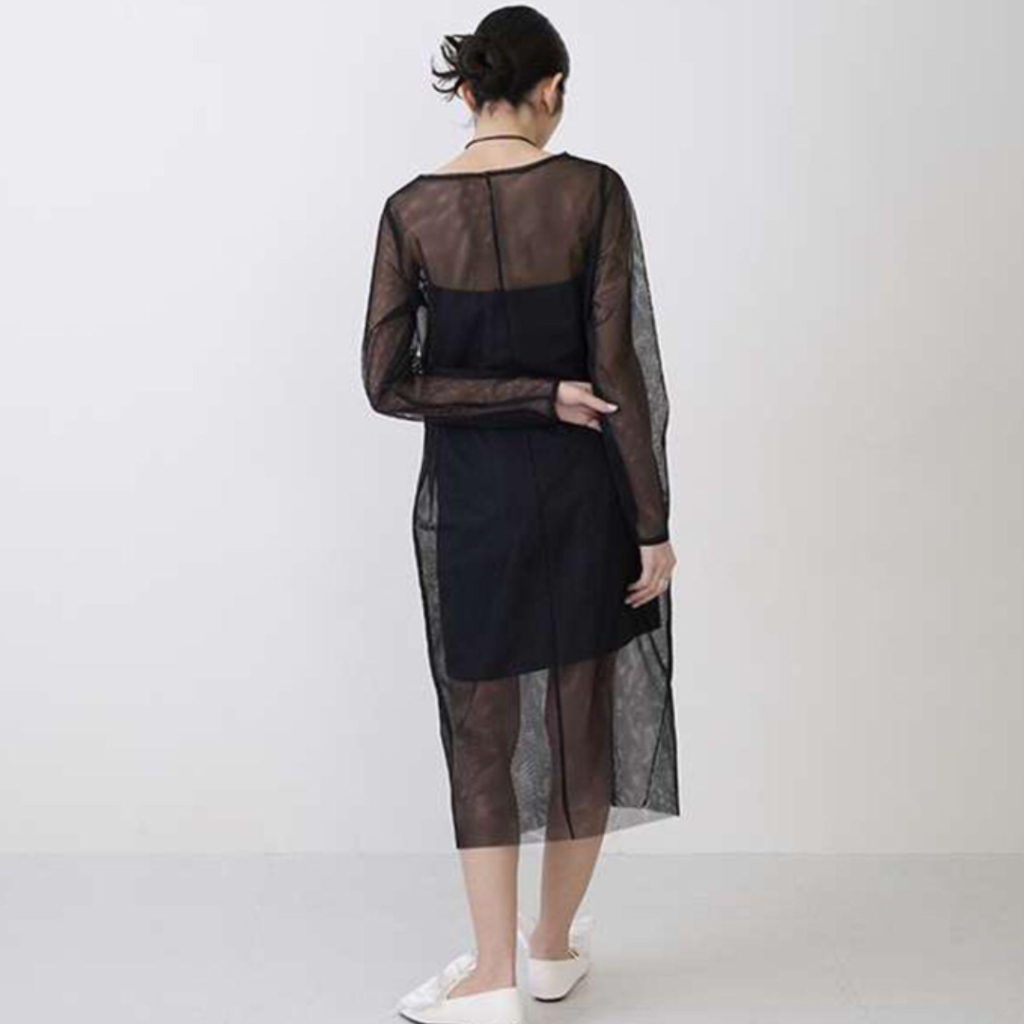
Viscose and Rayon Linings
Viscose and rayon provide soft, lightweight alternatives offering excellent drape and comfortable wear.
These materials often complement flowing dresses requiring graceful movement.
Fluid fabrics improve silhouette.
Comfort supports natural motion.
Full Dress Linings
A fully lined dress contains an inner layer extending throughout the garment.
This construction provides consistent support while improving opacity and overall appearance.
Complete lining enhances garment stability.
Balanced construction increases confidence.
Partial Dress Linings
Some garments include lining only in selected areas such as the bodice or skirt.
This approach balances comfort, breathability, and structural support according to design requirements.
Targeted construction meets specific needs.
Thoughtful design improves functionality.
Stretch Linings
Modern stretch linings contain fibers allowing greater flexibility during movement.
These materials complement fitted dresses while maintaining comfort throughout daily activities.
Flexible fabrics improve mobility.
Comfort follows natural movement.
Breathability and Comfort
Breathable linings help regulate comfort by allowing better air circulation inside garments.
This becomes particularly important during warmer seasons or extended wear.
Airflow supports everyday freshness.
Comfort encourages longer wear.
Improving Dress Shape
Linings help garments maintain intended silhouettes by supporting outer fabrics from within.
Structured dresses especially benefit from carefully selected lining materials.
Internal support shapes elegant fashion.
Construction influences appearance.
Preventing Transparency
Light-colored or lightweight fabrics occasionally become semi-transparent under bright lighting.
Proper linings improve coverage while preserving garment confidence.
Thoughtful construction increases practicality.
Confidence begins with quality design.
Protecting Delicate Fabrics
Outer materials such as lace, chiffon, georgette, organza, or embroidered textiles often require supportive linings to reduce unnecessary stress during wear.
Understanding Different Dress Linings means recognizing their protective role as well as their comfort benefits.
Support extends garment durability.
Protection preserves beauty.
Seasonal Considerations
Summer dresses frequently use lightweight breathable linings, while colder-season garments may incorporate slightly heavier materials for additional comfort.
Seasonal fabric choices improve overall wearing experience.
Climate influences fabric selection.
Appropriate materials enhance comfort.
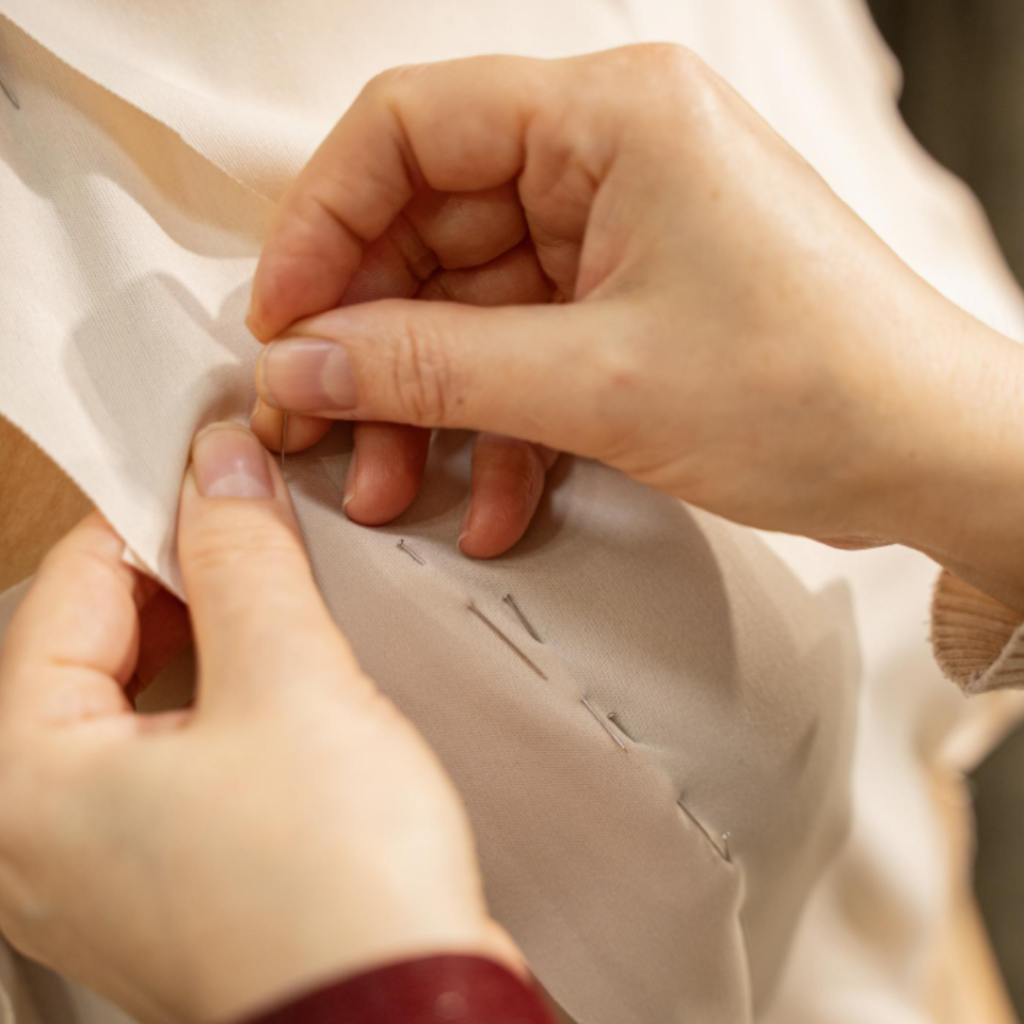
Movement and Flexibility
Well-designed linings allow dresses to move naturally while preventing bunching or uncomfortable friction.
Freedom of movement contributes significantly to overall garment satisfaction.
Smooth movement improves confidence.
Flexibility supports elegance.
Caring for Lined Dresses
Different lining fabrics require different care techniques.
Following garment care instructions helps preserve both the outer fabric and internal construction for longer-lasting performance.
Proper maintenance extends garment life.
Care protects craftsmanship.
Identifying Quality Linings
High-quality linings feel smooth, remain securely stitched, resist excessive wrinkling, and complement the outer fabric without creating unnecessary bulk.
Careful examination helps identify superior garment construction.
Attention reveals craftsmanship.
Quality appears through details.
Common Misconceptions About Dress Linings
Some shoppers believe linings only increase garment weight.
In reality, many modern lining materials remain lightweight while improving comfort, durability, and overall appearance.
Understanding Different Dress Linings helps replace outdated assumptions with informed knowledge.
Knowledge improves purchasing decisions.
Understanding creates better value.
Choosing the Right Lined Dress
Selecting appropriate lining depends upon climate, intended occasion, personal comfort preferences, fabric type, and garment style.
Thoughtful evaluation results in better long-term satisfaction.
Practical choices improve wardrobe quality.
Comfort supports everyday elegance.
Why Dress Linings Continue Evolving
Fashion designers continually develop innovative lining materials combining softness, breathability, flexibility, durability, and sustainability.
Modern textile technology continues improving garment performance while maintaining attractive aesthetics.
Innovation strengthens modern fashion.
Better materials improve everyday clothing.
Long-Term Benefits of Quality Dress Linings
A properly lined dress maintains its structure more effectively, feels more comfortable against the skin, improves confidence during wear, and often lasts longer through repeated use.
Investing in quality construction provides lasting wardrobe value.
Quality supports lasting satisfaction.
Thoughtful craftsmanship enhances fashion.
Conclusion
Understanding Different Dress Linings reveals that the hidden interior of a garment plays a major role in determining comfort, durability, elegance, and overall quality. Whether exploring Cotton Linings, Polyester Linings, Satin Linings, Silk Linings, Viscose Linings, or Stretch Linings, each material contributes unique benefits depending on the garment’s purpose, climate, and design.
Modern fashion extends far beyond visible beauty. Well-constructed linings improve movement, protect delicate fabrics, enhance garment structure, reduce transparency, and create a more comfortable wearing experience. By understanding the importance of dress linings, shoppers can make informed purchasing decisions that prioritize both style and long-term value.
A beautiful dress is defined not only by its appearance but also by the craftsmanship hidden inside. Choosing garments with high-quality linings ensures greater comfort, improved durability, refined elegance, and confidence every time the dress is worn.