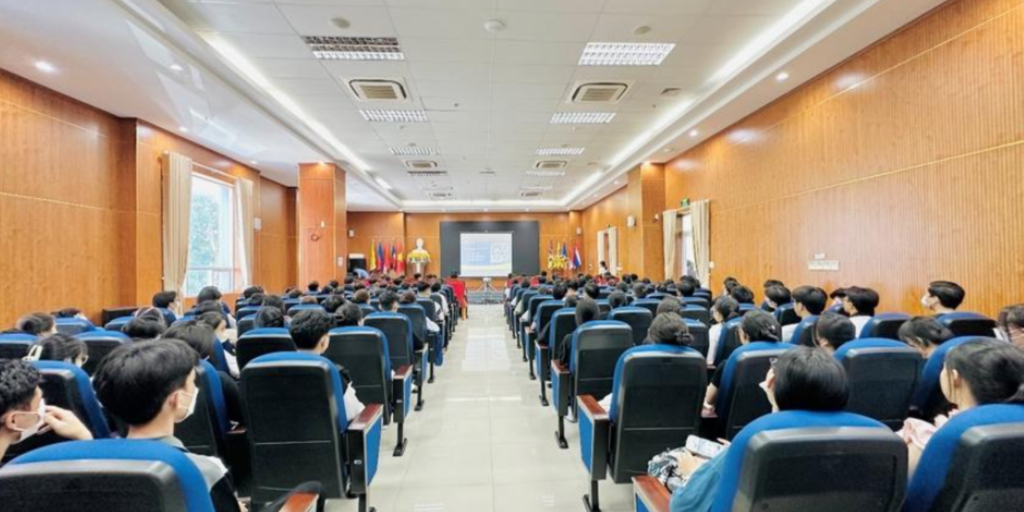
How Admission Orientation Helps New Students: Building Confidence Before the First Day of College
Beginning college or university is one of the most exciting milestones in a student’s life. Along with excitement, however, many new students also experience uncertainty, curiosity, and hesitation as they prepare to enter an unfamiliar academic environment. New classrooms, different teaching methods, diverse classmates, campus facilities, academic expectations, and independent responsibilities can feel overwhelming without proper guidance. This is where How Admission Orientation Helps New Students becomes especially important. A well-designed orientation program serves as the bridge between admission and successful academic life, helping students begin their educational journey with greater confidence and clarity.
Admission orientation is much more than a formal welcome event. It introduces students to their new academic community while providing valuable information about campus resources, university policies, learning opportunities, student services, extracurricular activities, and support systems. Rather than expecting students to discover everything independently, universities use orientation programs to create a structured introduction that encourages smoother adjustment during the critical first weeks of college.
Modern higher education institutions recognize that successful student experiences begin long before the first lecture. As a result, universities continue investing in comprehensive orientation programs that address academic preparation, emotional well-being, social integration, career planning, digital learning platforms, and campus engagement. Understanding How Admission Orientation Helps New Students allows students and parents to appreciate why attending orientation is one of the most valuable steps after receiving admission.
Understanding the Purpose of Admission Orientation
Admission orientation is designed to help students transition successfully from school to higher education. Every university operates differently, with unique academic systems, campus cultures, administrative procedures, and student expectations. Orientation introduces these important elements before regular classes begin, reducing unnecessary confusion later.
One of the greatest strengths of How Admission Orientation Helps New Students is that it prepares students to navigate their new environment confidently rather than feeling uncertain during their first few weeks. Instead of learning everything through trial and error, students receive organized guidance that supports smoother adjustment.
This early preparation creates a positive foundation for academic achievement and personal development.
Creating a Positive First Impression
The first interaction between students and their university often shapes long-term perceptions of campus life. Admission orientation provides institutions with an opportunity to create welcoming environments where students feel respected, supported, and encouraged.
Friendly faculty members, helpful staff, senior student mentors, and interactive sessions reduce nervousness while promoting confidence. Universities use orientation to communicate their educational values while introducing students to the campus community.
A positive beginning significantly improves student motivation and strengthens commitment to academic success throughout the semester.
This welcoming atmosphere explains How Admission Orientation Helps New Students establish meaningful connections from the very beginning.
Understanding Academic Expectations
College education differs considerably from school education. Students encounter greater independence, advanced coursework, research assignments, presentations, laboratory sessions, group projects, and self-directed learning. Without preparation, these changes may appear challenging.
Admission orientation introduces students to academic expectations, grading systems, attendance policies, examination procedures, curriculum structures, and classroom etiquette. Understanding these requirements before classes begin allows students to organize their study habits more effectively.
Clear academic guidance reduces unnecessary stress while encouraging responsible learning from the first semester onward.
Preparation strengthens confidence throughout the educational journey.
Becoming Familiar with Campus Facilities
Large university campuses often include libraries, laboratories, classrooms, administrative offices, cafeterias, sports facilities, medical centers, counseling services, transportation systems, and student activity centers. New students may initially feel uncertain about navigating these spaces.
Campus tours conducted during orientation simplify this process by introducing important locations while explaining available services. Students become comfortable identifying essential facilities before academic responsibilities increase.
Understanding the campus environment contributes significantly to How Admission Orientation Helps New Students feel prepared rather than overwhelmed during their first days.
Familiar surroundings encourage smoother daily routines.
Building New Friendships Early
One of the most valuable aspects of orientation involves social interaction. Students arrive from different schools, cities, cultures, and educational backgrounds. Orientation activities encourage conversations that help new classmates build friendships before academic pressures begin.
Ice-breaking sessions, group discussions, workshops, cultural activities, and collaborative exercises create opportunities for meaningful connections. These early friendships frequently become valuable support systems throughout university life.
Strong social relationships improve emotional well-being while creating positive learning environments.
Feeling connected reduces feelings of isolation often experienced during major educational transitions.

Learning About Student Support Services
Universities provide numerous resources supporting student success, yet many new students remain unaware of these services without proper introduction. Admission orientation explains academic advising, career counseling, psychological support, financial assistance, disability services, health facilities, and mentoring programs.
Understanding available support encourages students to seek assistance whenever needed rather than facing challenges alone. Universities increasingly emphasize proactive support rather than waiting until difficulties become severe.
Awareness of campus resources represents another important reason How Admission Orientation Helps New Students succeed academically and personally.
Support systems strengthen confidence throughout higher education.
Introducing Digital Learning Platforms
Technology has become an essential part of modern education. Universities increasingly rely on online learning management systems, digital libraries, virtual classrooms, electronic attendance, online assessments, assignment submission portals, and student communication platforms.
Orientation sessions introduce these technologies while helping students access institutional accounts, course materials, examination schedules, academic calendars, and university announcements.
Digital familiarity reduces technical confusion while allowing students to focus on learning rather than administrative challenges.
Technological preparation has become increasingly important within higher education.
Understanding Campus Rules and Responsibilities
University life provides greater independence than school education, but independence also brings additional responsibilities. Admission orientation explains institutional policies regarding attendance, academic integrity, examinations, library usage, student conduct, disciplinary procedures, safety regulations, and ethical behavior.
Understanding expectations early helps students avoid preventable misunderstandings while encouraging responsible participation within campus life.
Clear communication creates respectful academic communities where students understand both their rights and responsibilities.
This preparation contributes significantly to successful university experiences.
Encouraging Participation Beyond the Classroom
Higher education extends far beyond lectures and examinations. Universities encourage participation in student clubs, sports, cultural organizations, entrepreneurship programs, volunteer initiatives, research projects, competitions, leadership development, and community service.
Orientation introduces these opportunities while encouraging students to explore interests extending beyond academics. Participation develops communication skills, leadership abilities, teamwork, creativity, and confidence supporting long-term career development.
Balanced involvement strengthens overall university experiences while enriching personal growth.
Students often discover lifelong interests through extracurricular participation.
Reducing Anxiety During Transition
Beginning university naturally involves emotional adjustments. Many students experience uncertainty about academic performance, making new friends, living independently, or adapting to unfamiliar surroundings.
Admission orientation addresses these concerns by providing reassurance, practical information, and opportunities for open discussion. Hearing similar experiences from senior students often helps newcomers recognize that adjustment challenges are completely normal.
Understanding How Admission Orientation Helps New Students includes recognizing its important contribution to emotional well-being during significant life transitions.
Confidence grows through preparation and supportive guidance.
Parents Also Benefit from Orientation
Many universities include parents within orientation activities because family understanding contributes positively to student success. Parents learn about academic expectations, communication procedures, student support services, financial processes, campus safety, and institutional policies.
This information allows families to support students appropriately while encouraging increasing independence throughout higher education.
Well-informed parents contribute positively without creating unnecessary pressure during adjustment periods.
Strong family partnerships strengthen student success.
Career Guidance Begins Early
Modern universities increasingly introduce career planning during admission orientation rather than waiting until graduation approaches. Students learn about internships, industry partnerships, career development centers, placement services, professional certifications, entrepreneurship opportunities, and skill development programs.
Early awareness encourages students to make thoughtful academic choices aligned with long-term professional goals.
Career preparation beginning during orientation strengthens graduate employability while promoting purposeful educational planning.
Forward-thinking institutions recognize career development as an ongoing process.
Developing a Sense of Belonging
One of the most meaningful outcomes of orientation involves helping students feel connected to their university community. Feeling welcomed, respected, and valued significantly influences motivation, participation, and academic persistence.
Students who develop belonging early often engage more actively with classmates, faculty members, extracurricular activities, and campus initiatives. Positive engagement strengthens satisfaction while encouraging continuous personal development.
Universities invest heavily in orientation because belonging contributes directly to long-term student success.
Community creates confidence.
Common Mistakes Students Should Avoid
Some students mistakenly believe orientation is optional or unimportant because formal classes have not yet begun. Missing orientation may result in confusion regarding registration procedures, academic systems, campus navigation, digital platforms, and available support services.
Others attend physically but hesitate to ask questions or participate actively. Orientation becomes far more valuable when students engage openly, communicate with peers, seek clarification, and explore available opportunities.
Active participation maximizes the educational value of every orientation program.
Preparation always creates stronger beginnings.

The Future of Student Orientation
Universities continue improving orientation through digital innovation, hybrid learning experiences, virtual campus tours, interactive applications, personalized mentoring, artificial intelligence chat support, and online resource platforms.
Future orientation programs will likely become even more individualized while supporting students from diverse educational backgrounds through flexible learning experiences.
Despite technological advancements, the primary purpose remains unchanged—helping students begin university life with confidence, knowledge, and meaningful connections.
Successful transitions remain central to educational excellence.
Why Orientation Matters More Than Ever
Higher education continues evolving alongside technological innovation, global collaboration, interdisciplinary learning, and changing workforce expectations. Students entering university today face exciting opportunities alongside increasing academic complexity.
Orientation prepares students not only for classroom learning but also for lifelong personal and professional development. It establishes habits, relationships, and confidence supporting success throughout university and beyond.
Understanding How Admission Orientation Helps New Students encourages greater appreciation for this important first step in higher education.
Strong beginnings often lead to stronger outcomes.
Conclusion
How Admission Orientation Helps New Students extends far beyond welcoming ceremonies or introductory presentations. It provides practical guidance, academic preparation, emotional support, social connections, technological training, campus familiarity, career awareness, and valuable resources that help students transition successfully into university life.
Whether exploring Admission Orientation, New Student Orientation, University Orientation Program, Student Orientation Benefits, or College Orientation, students who actively participate gain valuable knowledge that supports academic achievement, personal confidence, and long-term educational success.
As universities continue emphasizing holistic student development, admission orientation remains one of the most valuable investments institutions make in student success. By attending orientation with curiosity, openness, and enthusiasm, new students begin their academic journey with stronger preparation, meaningful relationships, and the confidence needed to transform educational opportunities into lifelong achievements.