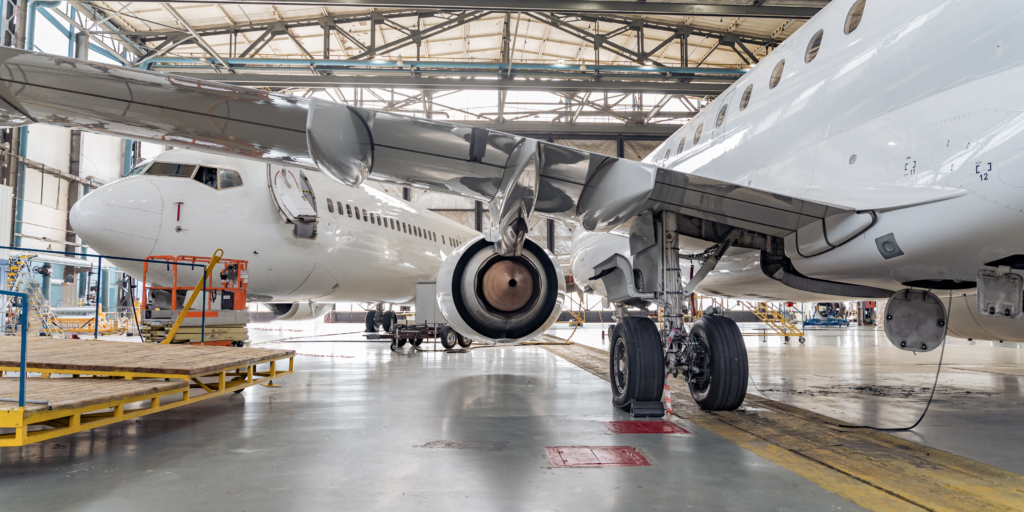
Career Scope in Aerospace Systems
The aerospace industry has become one of the most dynamic sectors in modern engineering, combining scientific innovation, advanced manufacturing, digital technologies, and space exploration to create solutions that influence transportation, communication, defense, environmental monitoring, and global connectivity. As governments and private organizations continue investing in aviation and space technologies, the demand for skilled professionals is increasing steadily. This remarkable growth highlights the Career Scope in Aerospace Systems and explains why it is becoming one of the most attractive engineering career paths for future generations.
Modern aerospace systems extend far beyond aircraft design. They include satellites, launch vehicles, unmanned aerial systems, navigation technologies, avionics, communication networks, propulsion systems, robotics, autonomous flight technologies, and mission control operations. These rapidly evolving technologies require professionals capable of integrating engineering knowledge with innovation and practical problem-solving. Understanding the Career Scope in Aerospace Systems enables students to prepare for exciting opportunities across aviation, defense, research, and commercial space industries.
Understanding Aerospace Systems
To understand the Career Scope in Aerospace Systems, it is important to first understand what aerospace systems involve.
Aerospace systems refer to the integrated technologies, components, software, electronics, communication networks, propulsion systems, navigation equipment, and control mechanisms that support aircraft, spacecraft, satellites, drones, and other aviation or space-related operations.
These systems work together to ensure safe, reliable, and efficient performance in complex environments.
Engineering drives technological advancement.
Innovation powers modern aviation.
Integrated systems improve operational excellence.
Global Investment Is Expanding Aerospace Opportunities
One of the strongest reasons behind the Career Scope in Aerospace Systems is the growing investment in aviation and space programs.
Governments, commercial aerospace companies, defense organizations, and private space enterprises continue launching ambitious projects involving satellite deployment, space exploration, aircraft modernization, and advanced transportation systems.
Investment creates new employment opportunities.
Innovation strengthens industrial growth.
Technology encourages long-term development.
Commercial Space Exploration Creates New Careers
Commercial space exploration significantly contributes to the Career Scope in Aerospace Systems.
Private companies are increasingly developing launch vehicles, reusable spacecraft, satellite constellations, lunar exploration technologies, and space-based communication systems.
These developments create exciting opportunities for aerospace professionals.
Space technology supports scientific discovery.
Innovation expands career possibilities.
Research accelerates technological progress.
Aircraft Systems Continue Becoming Smarter
Digital transformation also explains the growing Career Scope in Aerospace Systems.
Modern aircraft increasingly depend on advanced avionics, artificial intelligence, automation, predictive maintenance, digital monitoring systems, and intelligent navigation technologies.
Engineers develop integrated solutions that improve operational efficiency, reliability, and safety.
Technology transforms aviation.
Automation improves system performance.
Innovation enhances passenger safety.
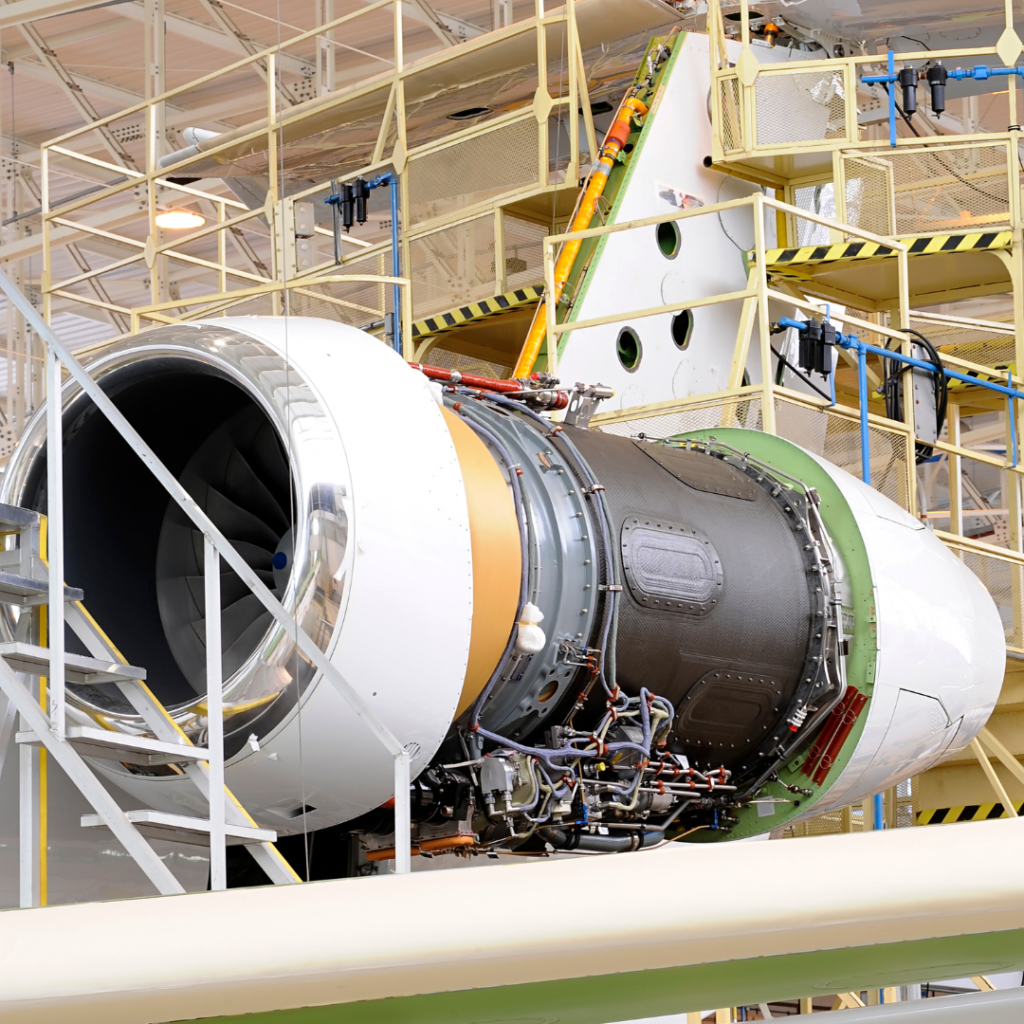
Satellite Technology Drives Industry Growth
Satellite technology remains another major contributor to the Career Scope in Aerospace Systems.
Satellites support telecommunications, navigation, climate monitoring, disaster management, agriculture, defense, environmental research, and scientific observation.
Professionals specializing in satellite systems remain highly valuable across numerous industries.
Space-based communication supports global connectivity.
Satellite innovation improves everyday life.
Engineering enables worldwide communication.
Aerospace Manufacturing Creates Diverse Roles
Advanced manufacturing continues expanding the Career Scope in Aerospace Systems.
Engineers participate in designing lightweight materials, precision components, additive manufacturing processes, advanced composites, and automated production technologies that improve aircraft and spacecraft performance.
Modern manufacturing emphasizes quality and precision.
Innovation improves production efficiency.
Engineering supports industrial excellence.
Artificial Intelligence Supports Aerospace Systems
Artificial intelligence increasingly influences the Career Scope in Aerospace Systems.
Machine learning assists with flight optimization, predictive maintenance, autonomous navigation, mission planning, fault detection, satellite operations, and system monitoring.
AI improves engineering efficiency.
Digital technologies accelerate innovation.
Automation strengthens aerospace reliability.
Research and Development Encourage Innovation
Research remains central to the Career Scope in Aerospace Systems.
Universities, research laboratories, aerospace companies, and government organizations continuously investigate propulsion technologies, sustainable aviation fuels, advanced materials, robotics, space robotics, hypersonic transportation, and future aircraft concepts.
Scientific discovery creates future industries.
Research strengthens engineering excellence.
Innovation begins with experimentation.
Skills Required for Aerospace Systems Careers
Students preparing for the Career Scope in Aerospace Systems should develop expertise in mathematics, physics, mechanical engineering, electronics, programming, systems engineering, robotics, artificial intelligence, data analysis, and simulation technologies.
Strong communication, teamwork, analytical thinking, and adaptability remain equally important.
Technical knowledge supports career growth.
Continuous learning strengthens employability.
Innovation rewards curiosity.
Universities Support Aerospace Education
Educational institutions increasingly recognize the Career Scope in Aerospace Systems by introducing interdisciplinary programs combining aerospace engineering, computer science, electronics, artificial intelligence, robotics, materials science, and space technology.
Students benefit from laboratory research, internships, design competitions, and industry collaborations.
Education prepares future innovators.
Research encourages practical learning.
Universities strengthen industry readiness.
Challenges Facing Aerospace Systems
While discussing the Career Scope in Aerospace Systems, it is important to recognize certain challenges.
The aerospace industry demands precision, safety, regulatory compliance, continuous innovation, interdisciplinary collaboration, and ongoing professional development.
Engineers must adapt to rapidly evolving technologies while maintaining exceptional quality standards.
Continuous improvement remains essential.
Learning supports long-term success.
Quality builds public confidence.
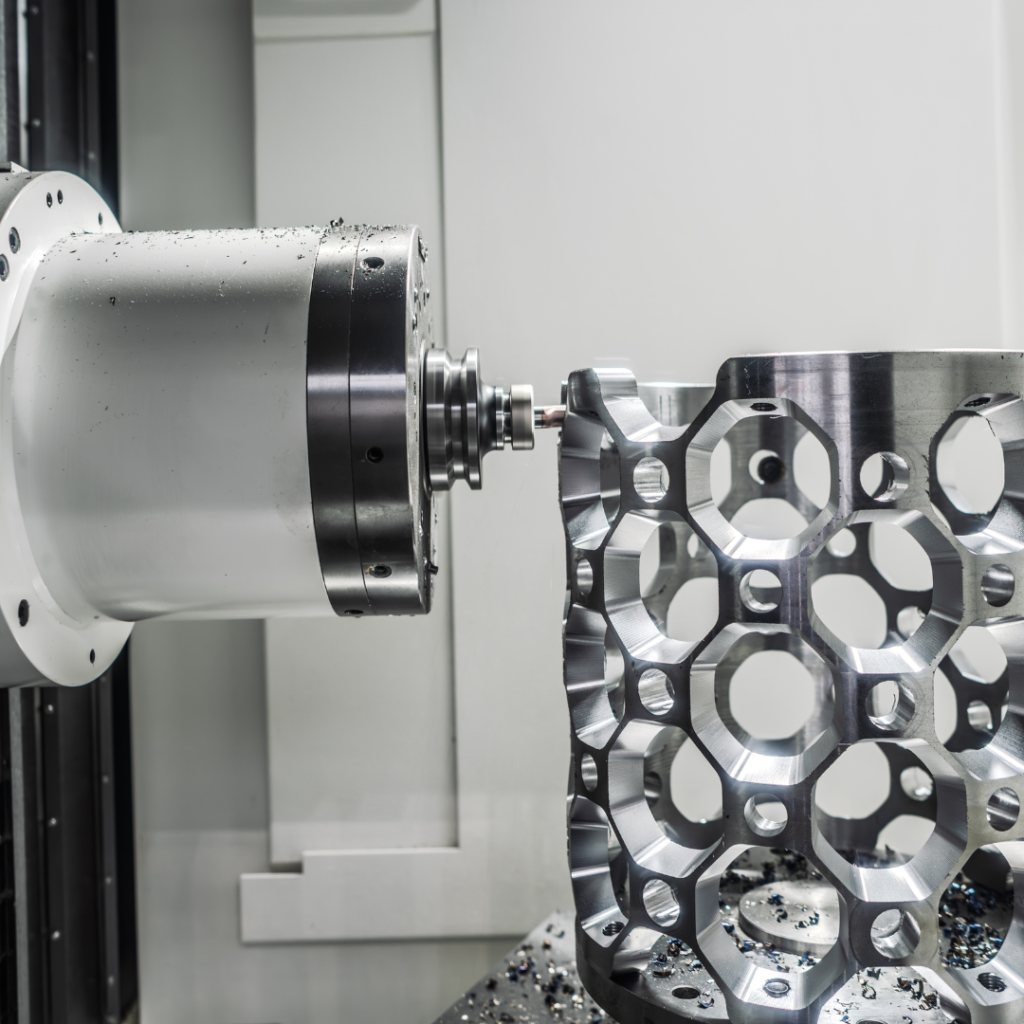
The Future of Aerospace Systems Careers
The future of the Career Scope in Aerospace Systems appears exceptionally promising.
Professionals may pursue careers as aerospace systems engineers, avionics engineers, satellite systems specialists, propulsion engineers, flight systems analysts, mission operations engineers, aerospace software developers, defense technology engineers, aircraft maintenance specialists, research scientists, robotics engineers, and space mission planners.
Growing investments in sustainable aviation, commercial spaceflight, satellite communications, autonomous aircraft, and advanced defense technologies will continue creating outstanding career opportunities worldwide.
Innovation creates meaningful employment.
Engineering shapes the future of transportation.
Space technology expands global possibilities.
Conclusion
The Career Scope in Aerospace Systems represents one of the most exciting opportunities in modern engineering. The combination of aviation, space exploration, digital transformation, artificial intelligence, advanced manufacturing, and satellite technology has created an industry that continues expanding across the world.
Students who develop strong technical expertise, practical engineering skills, analytical thinking, and a commitment to continuous learning will be well-positioned for rewarding careers in aerospace systems. Universities, research institutions, governments, and private aerospace companies are investing heavily in innovation, creating long-term employment opportunities supported by technological advancement.
As humanity continues exploring space, improving air transportation, and developing intelligent aerospace technologies, the career scope in aerospace systems will continue growing. This field offers the opportunity to contribute to groundbreaking discoveries, global connectivity, scientific research, and engineering excellence while building a successful and meaningful professional future.