Future Careers in Electric Vehicle Engineering
The global transportation industry is undergoing one of the most significant transformations in modern history. Rapid technological innovation, growing environmental awareness, advancements in battery technology, and increasing government support are accelerating the adoption of electric vehicles across the world. As manufacturers expand their electric mobility programs, the demand for skilled professionals continues to grow rapidly. Understanding Future Careers in Electric Vehicle Engineering provides valuable insight into one of the most promising engineering fields shaping the future of sustainable transportation.
Electric vehicle engineering extends far beyond designing electric cars. It combines electrical engineering, mechanical engineering, electronics, computer science, artificial intelligence, energy management, manufacturing, and environmental sustainability. This multidisciplinary approach creates exciting opportunities for graduates and experienced professionals seeking careers that combine innovation with meaningful global impact.
The expanding interest in Future Careers in Electric Vehicle Engineering reflects the growing importance of clean transportation technologies in today’s evolving economy.
Understanding Electric Vehicle Engineering
To fully understand Future Careers in Electric Vehicle Engineering, it is important to understand what electric vehicle engineering involves.
Electric vehicle engineering focuses on designing, developing, manufacturing, testing, improving, and maintaining vehicles powered primarily by electric energy instead of conventional fuel systems.
Engineers work on battery systems, electric motors, power electronics, charging technologies, vehicle software, thermal management, safety systems, and intelligent mobility solutions.
Their work combines advanced engineering with sustainable transportation objectives.
Electric mobility continues transforming the automotive industry.
Its influence is expanding worldwide.
Why the Electric Vehicle Industry Is Growing
One of the strongest reasons behind Future Careers in Electric Vehicle Engineering is the remarkable expansion of the electric vehicle industry.
Governments, automotive manufacturers, technology companies, energy providers, and infrastructure developers continue investing heavily in electric mobility.
Growing environmental awareness, stricter emissions standards, and advances in battery technology encourage widespread adoption of electric vehicles.
As production increases, employers require highly skilled engineering professionals across multiple disciplines.
Industry growth creates long-term employment opportunities.
Electric mobility has become a strategic global priority.
Battery Technology Is Creating New Engineering Roles
Battery innovation represents one of the most influential drivers of Future Careers in Electric Vehicle Engineering.
Modern electric vehicles rely on efficient, safe, lightweight, and long-lasting battery systems.
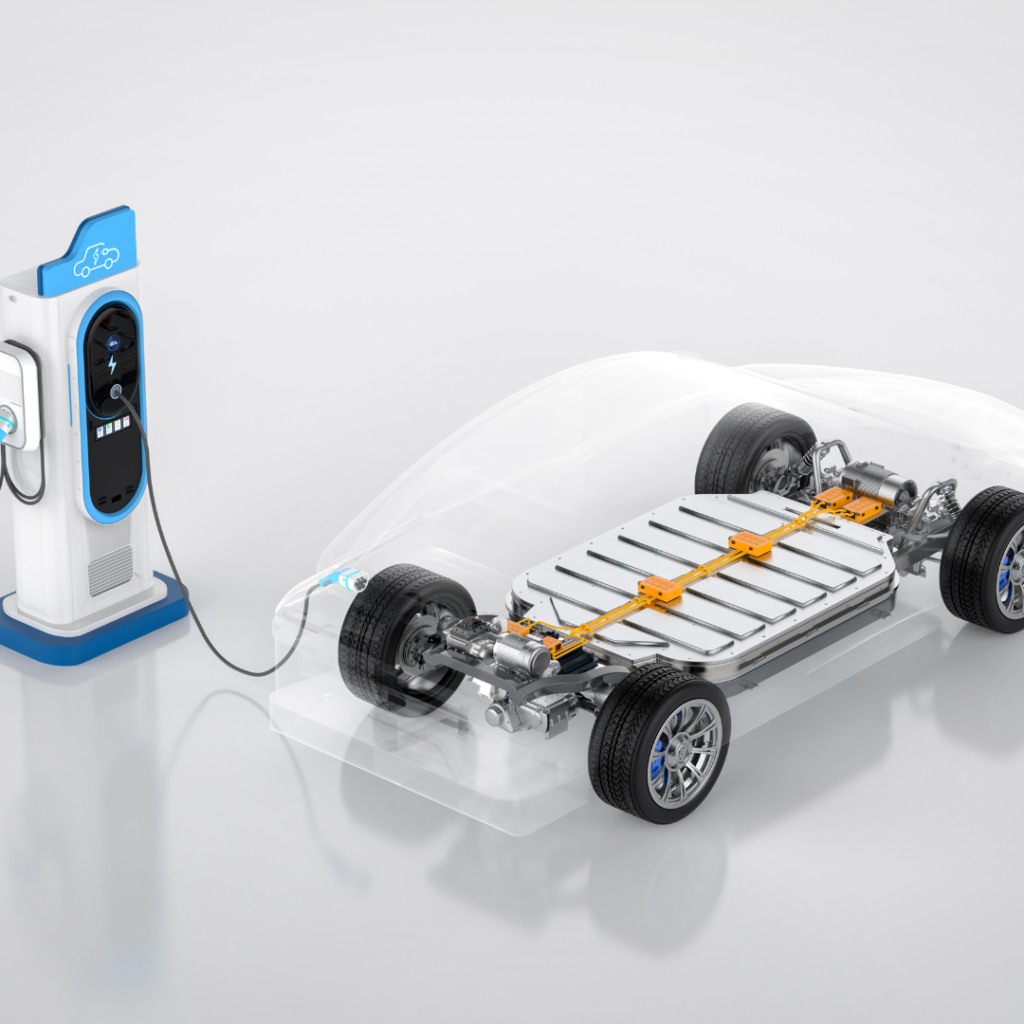
Battery engineers research advanced materials, energy storage technologies, charging efficiency, battery recycling, thermal management, and performance optimization.
Continuous innovation improves vehicle range and charging speed while reducing production costs.
Battery technology remains central to electric mobility advancement.
Specialized battery engineering careers continue expanding rapidly.
Research investment strengthens future employment prospects.
Charging Infrastructure Expands Career Opportunities
Charging infrastructure plays a major role in Future Careers in Electric Vehicle Engineering.
As electric vehicle ownership grows, reliable charging networks become increasingly important.
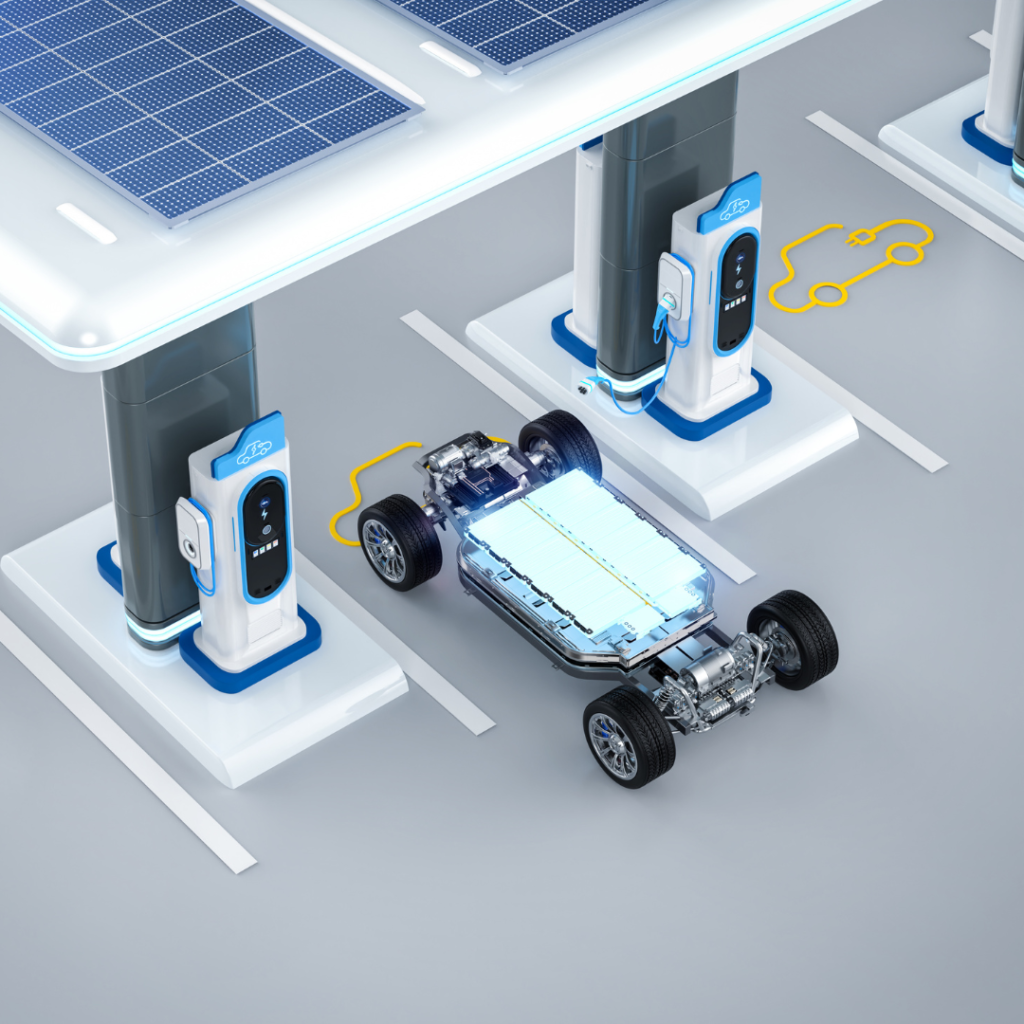
Engineers design fast-charging stations, smart charging systems, grid integration technologies, renewable energy connections, and energy management solutions.
Infrastructure development creates opportunities for electrical engineers, civil engineers, software developers, project managers, and energy specialists.
Expanding charging networks support widespread electric vehicle adoption.
Infrastructure careers continue experiencing strong growth.
Artificial Intelligence Enhances Electric Mobility
Artificial intelligence significantly contributes to Future Careers in Electric Vehicle Engineering.
Modern electric vehicles increasingly integrate intelligent software capable of improving battery management, route optimization, predictive maintenance, autonomous driving assistance, and energy efficiency.
AI engineers collaborate closely with electric vehicle specialists to develop smarter transportation systems.
This interdisciplinary partnership creates exciting career opportunities.
Professionals with expertise in both engineering and artificial intelligence become highly competitive.
Technology continues strengthening electric mobility innovation.
Sustainable Transportation Drives Industry Demand
Sustainability remains one of the strongest reasons behind Future Careers in Electric Vehicle Engineering.
Organizations worldwide seek transportation solutions that reduce environmental impact while supporting long-term economic development.
Electric vehicles contribute to lower emissions and cleaner urban mobility when paired with increasingly sustainable energy systems.
Engineers play a central role in developing technologies that improve efficiency, reduce waste, and optimize manufacturing.
Sustainable engineering has become a powerful career advantage.
Environmental responsibility supports continuous innovation.
Manufacturing Innovation Creates Diverse Careers
Modern manufacturing contributes significantly to Future Careers in Electric Vehicle Engineering.
Electric vehicle production requires advanced robotics, intelligent automation, digital manufacturing systems, quality assurance, supply chain optimization, and precision engineering.
Manufacturers recruit professionals specializing in production engineering, industrial automation, materials science, manufacturing technology, and process optimization.
These careers combine engineering expertise with operational excellence.
Manufacturing innovation strengthens global competitiveness.
Employment opportunities continue expanding throughout production facilities.
Software Engineering Is Becoming Essential
Software development has become increasingly important within Future Careers in Electric Vehicle Engineering.
Modern electric vehicles operate through sophisticated software controlling battery systems, safety features, navigation, charging functions, diagnostics, and connected vehicle technologies.
Software engineers collaborate with automotive specialists to improve vehicle intelligence.
Digital innovation has become essential for next-generation transportation.
Professionals combining programming with automotive engineering enjoy significant career advantages.
Software increasingly defines vehicle performance.
Technology drives continuous improvement.
Renewable Energy Supports Electric Vehicle Growth
Renewable energy integration further explains Future Careers in Electric Vehicle Engineering.
Electric vehicles increasingly connect with solar energy, wind power, smart electrical grids, and sustainable charging infrastructure.
Energy engineers collaborate with automotive companies to optimize power distribution and charging efficiency.
These partnerships expand employment opportunities beyond traditional automotive industries.
Renewable energy continues strengthening electric mobility ecosystems.
Interdisciplinary collaboration drives innovation.
Energy management skills remain highly valuable.
Communication and Teamwork Matter
Communication plays an important role in Future Careers in Electric Vehicle Engineering.
Electric vehicle development requires collaboration among mechanical engineers, electrical engineers, software developers, designers, manufacturing teams, environmental specialists, suppliers, regulators, and business leaders.
Professionals who communicate effectively often become successful project managers and innovation leaders.
Technical knowledge combined with interpersonal skills strengthens career progression.
Collaboration accelerates technological advancement.
Strong teamwork supports complex engineering projects.
Communication remains essential.
Universities Are Preparing Future EV Engineers
Educational institutions increasingly recognize Future Careers in Electric Vehicle Engineering by expanding interdisciplinary engineering programs.
Students now study electrical engineering alongside battery technology, electronics, artificial intelligence, renewable energy, computer science, automotive systems, and sustainable manufacturing.
Universities increasingly emphasize practical experience through laboratory research, industrial partnerships, internships, and innovation projects.
Continuous education remains important because technology evolves rapidly.
Learning supports long-term employability.
Engineering education continues adapting to industry needs.
Challenges Facing Electric Vehicle Engineers
While discussing Future Careers in Electric Vehicle Engineering, it is important to acknowledge certain challenges.
Rapid technological advancement requires engineers to update their knowledge continuously.
Battery innovation, charging standards, software development, manufacturing technologies, cybersecurity, and sustainability practices evolve quickly.
Professionals who embrace lifelong learning remain highly competitive.
Adaptability strengthens career resilience.
Continuous improvement creates opportunities rather than obstacles.
Innovation rewards curiosity and technical excellence.
The Future of Electric Vehicle Engineering Careers
The future of Future Careers in Electric Vehicle Engineering appears exceptionally promising.
Global investment in electric mobility continues increasing as governments, manufacturers, and technology companies prioritize sustainable transportation.
Future professionals may work as EV battery engineers, electric drivetrain specialists, charging infrastructure engineers, autonomous vehicle developers, battery recycling experts, energy systems engineers, automotive software architects, smart mobility consultants, manufacturing innovation managers, and electric transportation researchers.
Career opportunities will continue expanding alongside technological progress.
Demand for interdisciplinary engineering talent is expected to remain strong for decades.
Conclusion
Future Careers in Electric Vehicle Engineering represent one of the most exciting opportunities in modern engineering. The rapid growth of electric mobility is creating careers that combine sustainability, advanced technology, renewable energy, artificial intelligence, software development, and automotive innovation.
Professionals who develop expertise in electrical systems, battery technology, intelligent software, manufacturing, communication, and continuous learning will be well prepared for this dynamic industry. Electric vehicle engineering offers not only exceptional career growth but also the opportunity to contribute to cleaner transportation, environmental sustainability, and technological progress.
As the world continues transitioning toward electric mobility, engineers will play a vital role in shaping safer, smarter, and more sustainable transportation systems. The future of electric vehicle engineering promises innovation, global demand, and rewarding career opportunities for the next generation of engineering professionals.