
The Hidden Benefits of Being Open to New Experiences
Life often follows familiar patterns. People develop routines, establish comfort zones, and create environments that feel predictable and secure. While stability has undeniable value, some of the most meaningful opportunities for personal growth emerge when individuals step beyond what feels familiar and embrace new experiences. Whether it involves learning a new skill, traveling to an unfamiliar place, meeting different people, exploring a new career path, or simply adopting a fresh perspective, openness to new experiences can create benefits that extend far beyond the immediate moment.
Many people recognize the obvious advantages of trying something new, such as gaining knowledge or developing skills. However, the hidden benefits are often even more significant. New experiences can strengthen confidence, improve adaptability, enhance creativity, expand opportunities, and deepen self-awareness. They challenge assumptions, encourage growth, and create valuable memories that contribute to a richer and more fulfilling life.
The willingness to embrace unfamiliar situations has become increasingly important in a rapidly changing world. Personal and professional environments evolve constantly, requiring individuals to adapt and learn continuously. Those who remain open to new experiences often discover opportunities that might otherwise remain hidden. Understanding the hidden benefits of being open to new experiences reveals why curiosity, flexibility, and lifelong learning remain essential ingredients for personal success and long-term development.
Why Personal Growth Begins Outside the Comfort Zone
Personal growth rarely occurs when everything remains exactly the same. Growth often requires encountering new situations that challenge existing habits, beliefs, and assumptions. This is one of the primary reasons being open to new experiences plays such an important role in self-development.
Comfort zones provide familiarity and security, but they can also limit opportunities for learning and exploration. When individuals consistently choose familiar paths, they may miss experiences that could expand their understanding and abilities. Exploring new experiences encourages people to move beyond predictable routines and engage with the unknown.
Personal growth develops when individuals encounter situations that require adaptation and learning. These experiences help build resilience and encourage greater confidence in handling future challenges. Even when outcomes are not immediately successful, valuable lessons often emerge.
A growth mindset supports this process by encouraging individuals to view unfamiliar experiences as opportunities rather than threats. Instead of focusing solely on potential difficulties, people with a growth-oriented perspective recognize the possibility of development and discovery.
While stepping outside a comfort zone can sometimes create uncertainty, it frequently becomes the starting point for meaningful progress and self-improvement.
How New Experiences Expand Knowledge and Understanding
One of the most immediate benefits of new experiences is the opportunity to learn. Every unfamiliar situation introduces new information, perspectives, and insights that contribute to knowledge growth.
Learning through experience often has a lasting impact because it combines knowledge with direct participation. Reading about a concept and experiencing it firsthand can produce very different levels of understanding. New experiences create opportunities for deeper learning that extends beyond theory.
Lifelong learning depends on this willingness to explore unfamiliar territory. Individuals who remain curious and open-minded continue expanding their understanding throughout life. This ongoing process contributes to both personal and professional development.
New opportunities frequently emerge from experiences that initially seem unrelated to long-term goals. A conversation, hobby, workshop, or travel experience may introduce ideas and connections that become valuable later.
Knowledge gained through experience also helps individuals develop broader perspectives. Exposure to different environments, cultures, and viewpoints encourages empathy and understanding while reducing narrow thinking.
The relationship between learning and experience demonstrates why openness remains one of the most valuable qualities a person can cultivate.

Building Adaptability Through New Experiences
Adaptability skills have become increasingly important in modern life. Technological advances, economic changes, and evolving social expectations require individuals to adjust continuously to new circumstances.
Being open to new experiences strengthens adaptability because it encourages familiarity with change. People who regularly explore unfamiliar situations often become more comfortable navigating uncertainty and responding to unexpected developments.
Adaptability does not mean avoiding challenges. Instead, it involves developing the confidence and flexibility needed to address them effectively. New experiences create opportunities to practice these skills in real-world situations.
Personal development benefits greatly from adaptability because growth often depends on the ability to learn, adjust, and move forward despite obstacles. Individuals who embrace change are often better prepared to seize opportunities and overcome setbacks.
Although uncertainty can sometimes feel uncomfortable, repeated exposure to new experiences helps reduce fear and build resilience. Over time, adaptability becomes a natural strength rather than a difficult requirement.
The ability to adjust and grow in changing circumstances remains one of the most valuable outcomes of exploring new experiences.
Why New Experiences Improve Confidence
Confidence building is another hidden benefit of embracing new opportunities. Confidence often develops not from avoiding challenges but from successfully navigating them.
Each new experience provides evidence that individuals are capable of learning, adapting, and overcoming uncertainty. These accomplishments, even small ones, contribute to a stronger sense of self-belief.
Personal success is frequently linked to confidence because individuals who trust their abilities are more likely to pursue opportunities and take initiative. New experiences create situations where this confidence can develop naturally.
Learning through experience also helps people recognize their strengths. Many individuals discover talents and interests they never knew they possessed simply because they were willing to try something unfamiliar.
At times, new experiences may involve mistakes, setbacks, or temporary discomfort. However, overcoming these difficulties often contributes more to confidence than immediate success. The realization that challenges can be managed creates lasting self-assurance.
As confidence grows, individuals become increasingly willing to pursue additional opportunities, creating a positive cycle of development and achievement.
The Connection Between New Experiences and Creativity
Creativity often thrives when individuals encounter new ideas, environments, and perspectives. Exploring unfamiliar experiences exposes people to different ways of thinking, which can inspire innovation and problem-solving.
Personal growth and creativity are closely connected because both involve expanding beyond established patterns. New experiences encourage curiosity and help individuals make unexpected connections between ideas.
Continuous learning contributes to creativity by providing diverse sources of knowledge and inspiration. People who engage with different subjects and activities often develop more flexible thinking patterns.
New opportunities for creative development frequently emerge from experiences outside a person’s primary area of expertise. Exposure to different fields, cultures, or disciplines can spark innovative solutions and fresh perspectives.
Although creativity is often associated with artistic pursuits, it is equally valuable in professional, educational, and personal contexts. The ability to think creatively supports adaptability and effective problem-solving.
By embracing new experiences, individuals increase the variety of influences that contribute to creative growth.
How Openness Creates New Opportunities
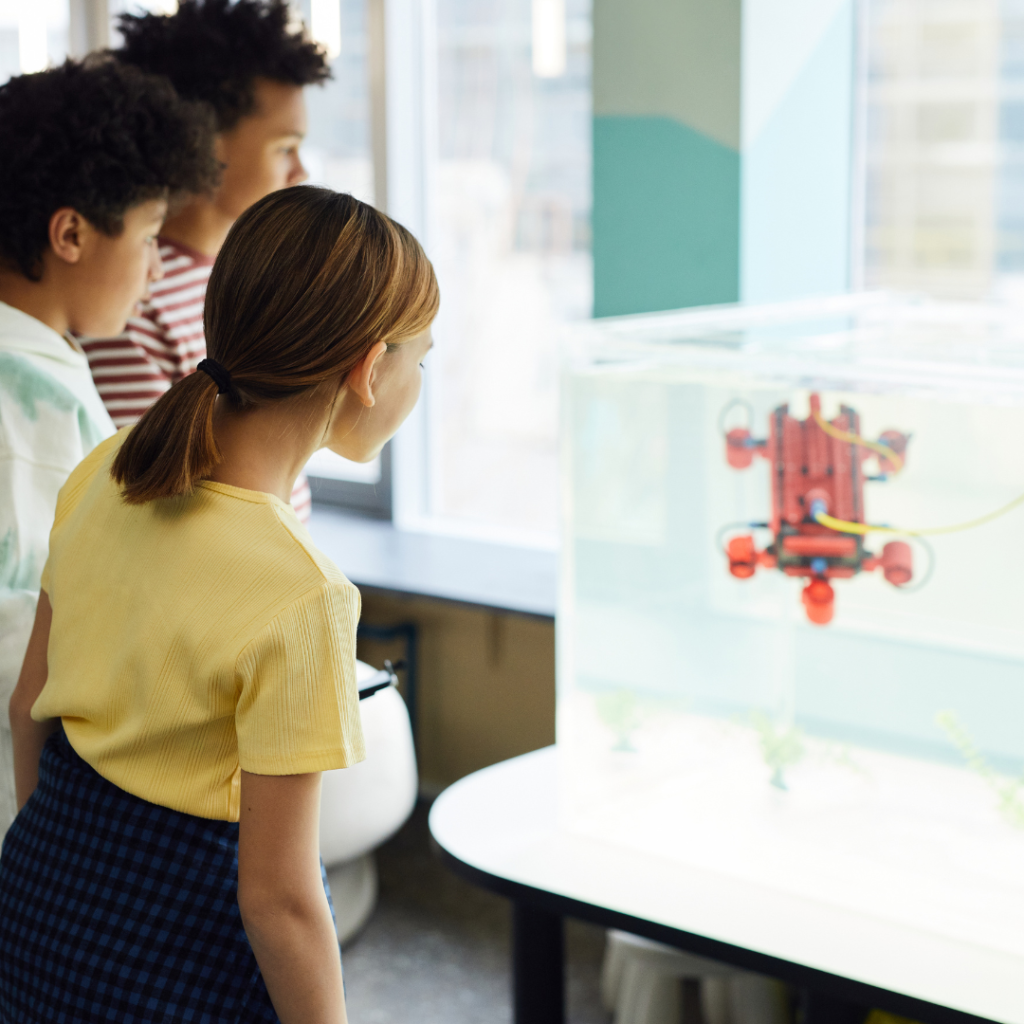
Many opportunities arise unexpectedly. A chance meeting, unfamiliar project, educational course, or travel experience can lead to outcomes that were impossible to predict beforehand.
Being open to new experiences increases the likelihood of encountering these opportunities. Individuals who explore different environments and activities naturally expand their networks, knowledge, and perspectives.
Personal success often depends on recognizing opportunities when they appear. Openness helps individuals remain receptive to possibilities rather than dismissing them because they fall outside familiar routines.
Career advancement frequently illustrates this principle. Professionals who pursue new skills, attend events, or explore different responsibilities often discover pathways that would not have been available otherwise.
The value of new opportunities extends beyond financial or professional benefits. Experiences can lead to meaningful friendships, personal achievements, and deeper understanding of one’s goals and interests.
Although not every new experience produces immediate rewards, each one contributes to a broader foundation of knowledge and possibility.
The Role of Lifelong Learning in Personal Development
Lifelong learning is a central component of self-growth because it encourages continuous exploration and improvement. Being open to new experiences naturally supports this process by creating opportunities to acquire knowledge and skills.
Personal development becomes more dynamic when individuals remain curious and willing to learn. Rather than viewing education as something limited to formal schooling, lifelong learners see every experience as a potential source of growth.
Continuous learning helps individuals remain relevant in changing environments while supporting intellectual and emotional development. It encourages flexibility, curiosity, and resilience.
Life experiences often provide lessons that cannot be learned from books alone. Interactions, challenges, successes, and setbacks all contribute to personal understanding and maturity.
While lifelong learning requires effort and commitment, the rewards often include greater confidence, adaptability, and fulfillment. These benefits support both immediate well-being and long-term success.
Why Open-Minded Individuals Often Experience Greater Fulfillment
Fulfillment is influenced by more than achievement alone. It often results from meaningful experiences, personal growth, and a sense of purpose. Individuals who remain open to new experiences frequently encounter opportunities that enrich their lives in unexpected ways.
Exploring new experiences encourages reflection and self-discovery. People learn more about their values, interests, strengths, and aspirations when they engage with unfamiliar situations.
Personal development becomes more meaningful when it includes variety and exploration. New experiences add depth to life while creating memories and lessons that contribute to lasting satisfaction.
Although uncertainty and occasional disappointment may accompany exploration, the positive outcomes often outweigh temporary challenges. Openness creates possibilities that would otherwise remain inaccessible.
The willingness to embrace new experiences ultimately expands both opportunities and understanding, contributing to a richer and more rewarding life.
Conclusion
The hidden benefits of being open to new experiences extend far beyond temporary excitement or novelty. Through personal growth, lifelong learning, confidence building, adaptability skills, and continuous self-improvement, new experiences create opportunities that shape long-term success and fulfillment.
Exploring unfamiliar situations encourages learning, strengthens resilience, expands creativity, and increases the likelihood of discovering valuable opportunities. While stepping outside a comfort zone may occasionally involve uncertainty, it often becomes the catalyst for meaningful development.
In a constantly changing world, openness remains one of the most valuable qualities an individual can possess. By embracing new experiences and maintaining a growth mindset, people position themselves for ongoing learning, personal success, and a deeper understanding of themselves and the world around them. The experiences we choose to explore today often become the foundation for the opportunities and achievements of tomorrow.