
How Global Learning Platforms Are Challenging With Universities
The world of education is experiencing one of the most significant transformations in its history. For generations, universities have been regarded as the primary gateway to knowledge, professional development, and career advancement. A university degree was often considered the standard path toward securing employment, building expertise, and achieving long-term success. While higher education institutions continue to play a vital role in society, a new competitor has emerged in the educational landscape: global learning platforms.
The rise of digital education has changed how people learn, access information, and develop professional skills. Students are no longer limited by geographical boundaries, rigid academic schedules, or traditional classroom environments. Today, learners can access courses, certifications, training programs, and expert instruction from virtually anywhere in the world. This accessibility has fueled the rapid growth of global learning platforms, creating a new educational model that is challenging long-standing assumptions about learning and career preparation.
The growing influence of online learning platforms does not necessarily mean universities are becoming obsolete. Instead, it reflects a shift in how education is delivered and consumed. Students are seeking flexibility, affordability, relevance, and practical outcomes. As these expectations continue evolving, global learning platforms are becoming increasingly competitive alternatives to traditional higher education.
The Rise of Global Learning Platforms
Technology has transformed nearly every industry, and education is no exception. High-speed internet, mobile devices, cloud-based learning systems, and interactive educational tools have made online education more accessible than ever before.
Global learning platforms provide learners with immediate access to courses covering countless subjects. From software development and artificial intelligence to digital marketing, business strategy, graphic design, and financial management, students can acquire specialized knowledge without attending a physical campus.
Unlike traditional educational systems that often require lengthy enrollment processes and multi-year commitments, online learning platforms allow students to begin learning almost instantly. This convenience has attracted millions of learners worldwide who seek educational opportunities that fit their personal schedules and career objectives.
As digital learning continues expanding, global learning platforms are becoming major players in the future of education.
Why Students Are Choosing Online Learning Platforms
One of the most important reasons students are turning to online learning platforms is flexibility. Traditional universities typically operate according to fixed academic calendars and structured schedules. While this model works well for many students, it may not accommodate individuals balancing employment, family responsibilities, or other commitments.
Online education offers a different approach. Learners can often study at their own pace, access content whenever convenient, and customize learning experiences according to their goals.
This flexibility creates opportunities for a broader range of students. Working professionals, entrepreneurs, career changers, and lifelong learners can continue developing skills without disrupting their daily responsibilities.
The convenience of digital learning has become particularly appealing in a fast-moving world where adaptability and continuous skill development are increasingly important.
Affordability Is Reshaping Educational Choices
The cost of higher education has become a significant concern for students and families around the world. Tuition fees, housing expenses, transportation costs, and educational materials can create substantial financial burdens.
Global learning platforms often provide a more affordable alternative. Many courses cost significantly less than traditional university programs, and some educational resources are available at little or no cost.
This affordability has expanded access to education for learners who may not have the financial means to pursue conventional degree programs. Students can focus on acquiring specific skills and knowledge without incurring significant debt.
As educational expenses continue rising in many regions, cost-effective learning options are becoming increasingly attractive to individuals seeking professional growth and career advancement.
Skill-Based Learning Is Driving Demand
The modern job market is changing rapidly. Employers increasingly value practical skills, adaptability, and demonstrated competence alongside academic qualifications. This shift has contributed to the growing popularity of skill-based learning.
Global learning platforms excel at delivering targeted education focused on real-world applications. Instead of requiring students to complete broad academic programs, these platforms often concentrate on specific competencies and industry-relevant skills.
Learners can develop expertise in areas such as programming, cybersecurity, project management, data analytics, content creation, digital marketing, and user experience design. These skills are frequently aligned with current workforce demands and emerging industry trends.
As organizations prioritize performance and practical abilities, skill-based learning continues gaining momentum among both students and employers.
Universities and Online Learning Serve Different Purposes
Although comparisons between universities and global learning platforms are common, the two educational models often serve different objectives.
Universities provide comprehensive academic experiences that include theoretical knowledge, research opportunities, critical thinking development, and structured educational pathways. They also offer networking opportunities, campus experiences, and recognized academic credentials.
Online learning platforms, by contrast, focus heavily on accessibility, flexibility, and practical skill acquisition. Their strength lies in delivering targeted knowledge efficiently and responding quickly to industry changes.
Rather than replacing universities entirely, many global learning platforms complement traditional education. Students frequently combine university degrees with online certifications and specialized training programs to create more comprehensive skill sets.
This blended approach reflects the evolving nature of education in the digital age.
The Speed Advantage of Digital Learning
One area where global learning platforms often outperform traditional institutions is speed. Industries evolve rapidly, particularly in fields driven by technology and innovation. New tools, techniques, and professional requirements can emerge within months.
Universities often require extensive review processes before introducing curriculum changes. While these procedures maintain academic quality, they can slow adaptation.
Online learning platforms typically operate with greater agility. New courses can be developed and updated quickly, allowing learners to access current information and emerging industry knowledge.
This responsiveness gives digital learning platforms a significant advantage in fields where staying current is essential for career success.
Personalized Learning Experiences
Modern learners increasingly expect educational experiences tailored to their individual needs. Global learning platforms use technology to provide personalized recommendations, adaptive content, and customized learning pathways.
Students can choose courses based on career goals, skill levels, interests, and professional requirements. This level of personalization is often difficult to achieve within traditional educational structures serving large student populations.
Personalized learning helps improve engagement and motivation by allowing students to focus on relevant content. Rather than following a standardized curriculum, learners can build educational journeys aligned with their unique objectives.
As educational technology continues advancing, personalized learning will likely become an even more important component of modern education.

Professional Certifications Are Gaining Recognition
Another factor contributing to the success of global learning platforms is the growing acceptance of professional certifications. Employers increasingly recognize certifications as evidence of specialized expertise and current industry knowledge.
Unlike traditional degrees that may require several years to complete, certifications often focus on specific competencies and can be earned within shorter timeframes. This efficiency appeals to learners seeking immediate career benefits.
Professional certifications also support continuous learning. Individuals can update their qualifications regularly, ensuring their skills remain aligned with evolving workplace expectations.
As industries continue changing rapidly, certifications are becoming valuable tools for career advancement and professional development.
Challenges Facing Global Learning Platforms
Despite their strengths, global learning platforms face challenges of their own. One concern involves educational quality. The rapid growth of online education has led to significant variation in course standards, instructor expertise, and learning outcomes.
Students must evaluate platforms carefully to ensure they receive credible and valuable education. Not all online programs provide the same level of rigor, support, or recognition.
Another challenge involves motivation and completion rates. Online learning often requires strong self-discipline and independent study habits. Without structured classroom environments, some learners may struggle to remain engaged.
Additionally, certain professions continue to require formal degrees and accredited qualifications. Fields such as medicine, law, engineering, and scientific research still rely heavily on traditional educational pathways.
Universities Are Adapting to the Competition
Universities are not ignoring the growth of global learning platforms. Many institutions are embracing digital transformation by offering online degrees, hybrid learning programs, professional certificates, and flexible educational models.
Higher education institutions increasingly recognize the importance of integrating technology into learning experiences. Partnerships with industry leaders, online learning providers, and educational technology companies are becoming more common.
Universities are also emphasizing experiential learning, internships, project-based education, and career-focused programs to enhance graduate employability.
These efforts demonstrate that universities are evolving alongside the changing educational landscape rather than resisting it.
Lifelong Learning Is Changing Education Forever
One of the most important trends driving both universities and global learning platforms is the growing emphasis on lifelong learning. The traditional model of education followed by decades of static employment is becoming less common.
Today’s professionals must continuously update their knowledge and skills to remain competitive. Technological innovation, automation, and evolving industry demands require ongoing learning throughout entire careers.
Global learning platforms are particularly well positioned to support this reality. Their flexible structures allow learners to acquire new skills whenever needed, making education a continuous process rather than a one-time achievement.
Universities are increasingly embracing this concept as well, offering continuing education and professional development opportunities for graduates and working professionals.
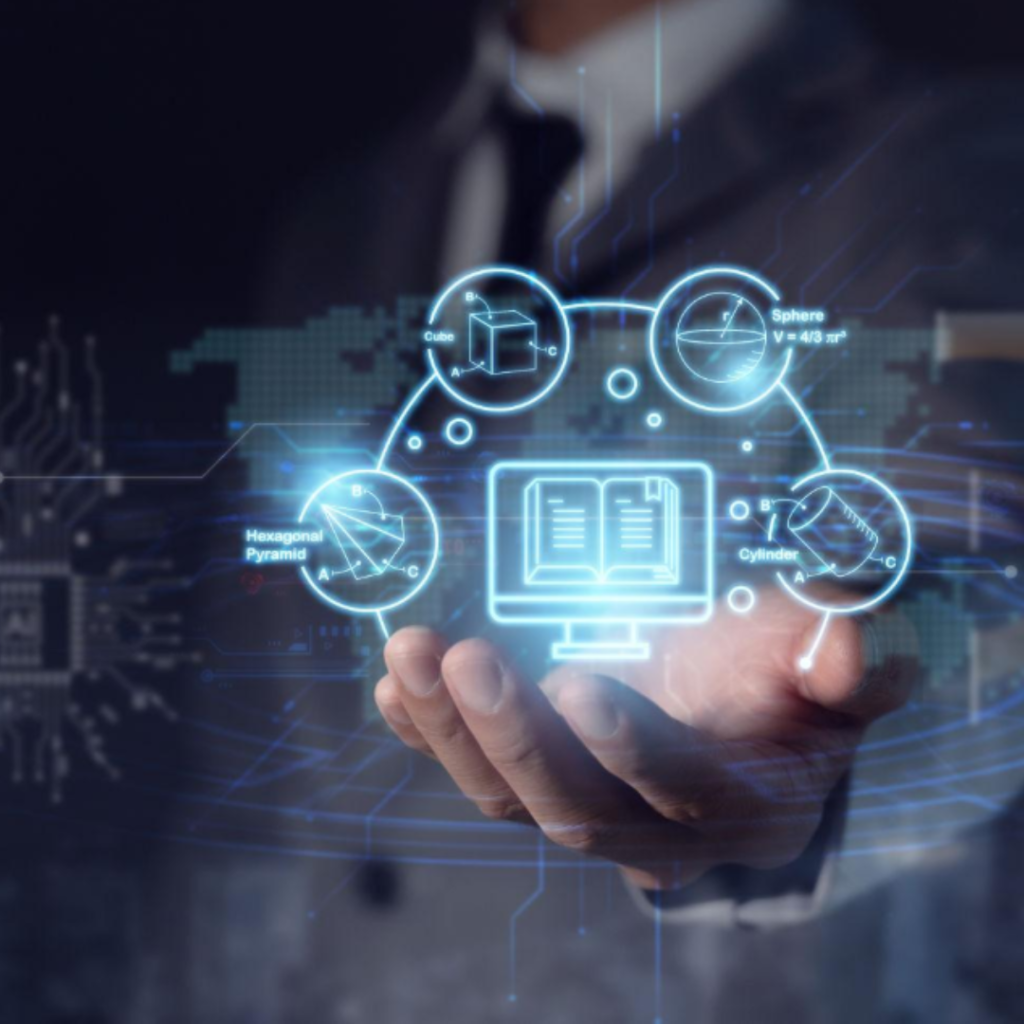
The Future of Education: Competition or Collaboration?
The future of education may not be defined by a battle between universities and global learning platforms. Instead, collaboration is likely to become increasingly important.
Students benefit when they have access to multiple learning pathways. Universities provide academic depth, intellectual development, and recognized qualifications. Global learning platforms offer flexibility, affordability, speed, and specialized skill development.
Together, these models can create more comprehensive educational experiences. Learners can combine formal degrees with certifications, online courses, practical projects, and professional training to build diverse and adaptable skill sets.
This integrated approach reflects the needs of a rapidly changing world where education must be flexible, relevant, and accessible.
Conclusion
Global learning platforms are transforming modern education by providing flexible, affordable, and skill-focused alternatives to traditional learning models. Their ability to respond quickly to industry trends, deliver personalized experiences, and support lifelong learning has made them increasingly competitive in today’s educational landscape.
While universities continue to offer valuable academic foundations and recognized credentials, online learning platforms are redefining how knowledge is acquired and applied. Rather than replacing higher education, they are expanding educational opportunities and challenging institutions to innovate.
The future of education will likely involve a combination of both approaches. Students who embrace diverse learning pathways will be better equipped to adapt, grow, and succeed in an evolving workforce. As technology continues shaping learning experiences, the relationship between universities and global learning platforms will remain one of the most influential developments in modern education.
More Blogs you may read
Why Employers Value Curiosity: How Curiosity Drives Career Growth, Innovation, and Workplace Success 2026
Why Employers Value Curiosity The modern workplace is changing faster...
Read More
Scholarships for Students Excelling in Sports and Academics: A Complete Guide to Funding Higher Education 2026
Scholarships for Students Excelling in Sports and Academics Pursuing higher...
Read MoreGraduate Attributes Every University Should Develop: Essential Skills for Career Success and Lifelong Learning 2026
Graduate Attributes Every University Should Develop Higher education has always...
Read MorePreparing for Two Entrance Exams Together: A Complete Strategy for Smart and Successful Exam Preparation 2026
Preparing for Two Entrance Exams Together Preparing for a single...
Read More