
The Learning Gap Between Classrooms and Real-World Expectations
Education has long been viewed as the foundation for personal growth, career advancement, and social progress. Schools, colleges, and universities provide students with essential knowledge, theoretical understanding, and academic credentials that open doors to future opportunities. However, as industries evolve and workplace expectations become increasingly complex, a growing concern has emerged among educators, employers, and students alike. This concern revolves around The Learning Gap Between Classrooms and Real-World Expectations.
Many graduates leave educational institutions with impressive academic records but struggle to adapt to professional environments. Employers frequently report that new hires possess theoretical knowledge yet lack practical skills, workplace confidence, communication abilities, and problem-solving experience. At the same time, students often feel surprised by the realities of professional life, discovering that success requires much more than examination performance.
Understanding The Learning Gap Between Classrooms and Real-World Expectations is essential because it highlights one of the most significant challenges facing modern education. Bridging this gap has become increasingly important as technology, globalization, and industry transformation continue reshaping the future of work.
Understanding the Learning Gap
To understand The Learning Gap Between Classrooms and Real-World Expectations, it is important to define what this gap actually represents. The learning gap refers to the difference between what students learn in academic settings and what they are expected to demonstrate in professional environments.
Classroom education often focuses on concepts, theories, structured assignments, and standardized evaluations. While these elements are important, real-world situations frequently involve uncertainty, collaboration, communication, adaptability, and decision-making under pressure.
Employers expect graduates to contribute effectively from the beginning of their careers. However, many students have limited exposure to practical workplace experiences before graduation.
This disconnect creates challenges for both job seekers and organizations attempting to develop future talent.
Why Traditional Education Models Face Challenges
One reason The Learning Gap Between Classrooms and Real-World Expectations continues to exist is that traditional education models were designed for a different era. Many academic systems were established when industries were more predictable and career paths were relatively stable.
Today’s environment is dramatically different. Technological innovation, automation, artificial intelligence, and global competition are transforming industries at unprecedented speed.
While educational institutions have introduced important reforms, some programs still emphasize memorization and examination performance more heavily than practical application.
As a result, students may graduate with strong academic credentials while lacking exposure to the skills required for modern professional success.
The Difference Between Knowledge and Application
A key aspect of The Learning Gap Between Classrooms and Real-World Expectations involves the distinction between knowing information and applying it effectively.
Students often spend years studying theories, formulas, concepts, and case studies. However, real-world situations rarely present themselves in neat and predictable formats.
Workplace challenges often require individuals to analyze incomplete information, collaborate with others, solve unexpected problems, and adapt to changing circumstances.
The ability to apply knowledge in dynamic environments is becoming increasingly valuable. Employers often prioritize practical competence alongside academic achievement.
This growing emphasis on application highlights the importance of experiential learning opportunities.
Why Communication Skills Matter More Than Ever
Communication represents one of the most frequently cited examples of The Learning Gap Between Classrooms and Real-World Expectations. Many students excel academically yet struggle to communicate ideas effectively in professional settings.
Modern workplaces depend on presentations, teamwork, client interactions, negotiations, and cross-functional collaboration. Strong communication skills influence leadership potential, productivity, and career advancement.
While academic environments may focus primarily on written examinations and assignments, professional environments require ongoing interaction and relationship-building.
Students who develop communication abilities early often transition more successfully into workplace environments.
The Growing Importance of Problem-Solving
Problem-solving is another major factor in The Learning Gap Between Classrooms and Real-World Expectations. Academic assignments often have predefined objectives and clear evaluation criteria.
In contrast, workplace problems are frequently complex, ambiguous, and multifaceted. Solutions may require creativity, collaboration, experimentation, and strategic thinking.
Employers increasingly seek individuals capable of identifying challenges and developing practical solutions independently. These abilities contribute directly to innovation and organizational growth.
Students who gain exposure to real-world problem-solving experiences often develop stronger confidence and adaptability.
Why Adaptability Has Become a Critical Skill
Adaptability is rapidly becoming one of the most valuable competencies associated with The Learning Gap Between Classrooms and Real-World Expectations.
Career paths are changing faster than ever before. Industries evolve, technologies advance, and new job roles emerge regularly. Employees must continuously learn and adjust to remain relevant.
Traditional education sometimes emphasizes certainty and structured progression. However, professional environments often require flexibility and resilience.
Students who develop adaptability are better prepared to navigate uncertainty and seize emerging opportunities.
The future workforce will increasingly reward individuals who embrace continuous learning.
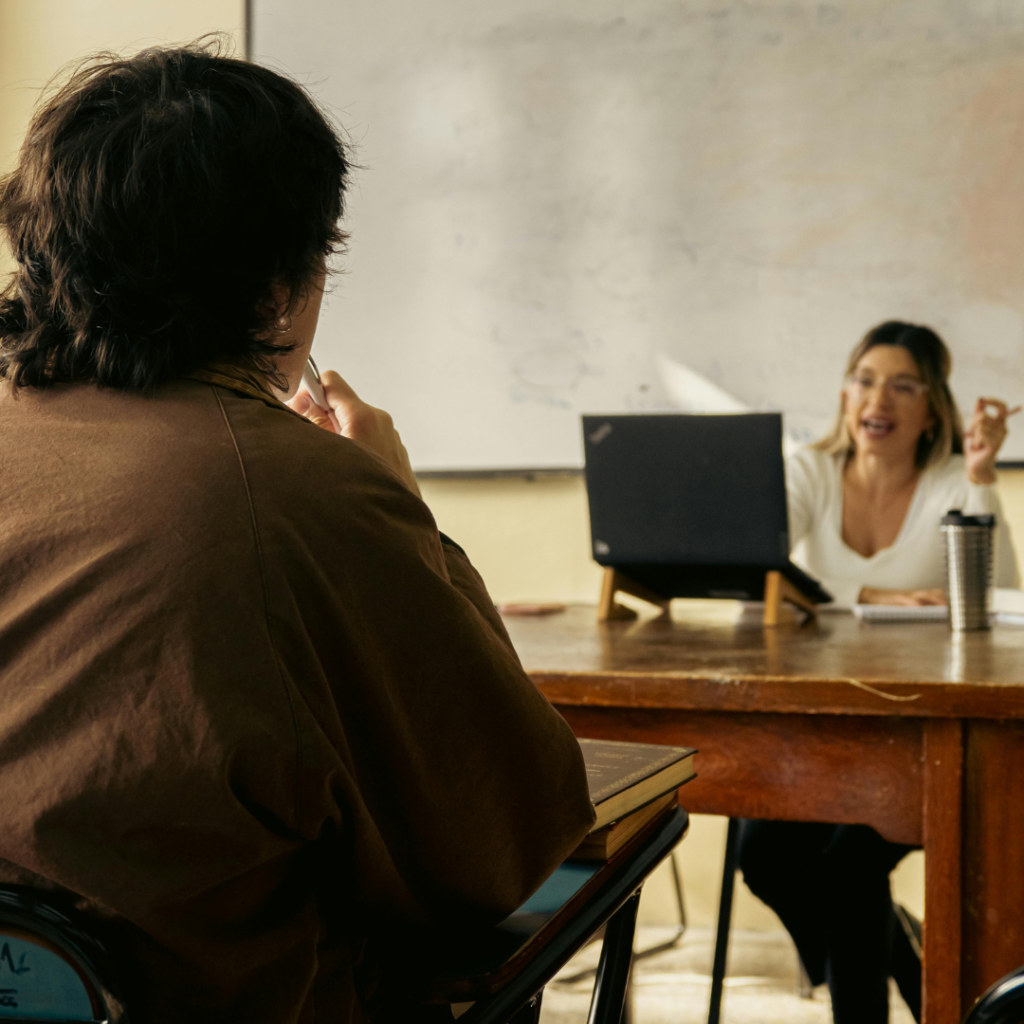
The Role of Internships and Experiential Learning
One effective way to address The Learning Gap Between Classrooms and Real-World Expectations is through experiential learning opportunities. Internships, industry projects, simulations, and practical assignments provide valuable exposure to workplace realities.
These experiences allow students to apply academic concepts in authentic environments. They also help individuals understand organizational dynamics, professional expectations, and industry standards.
Students who participate in experiential learning often develop stronger confidence, clearer career goals, and enhanced employability.
Practical exposure complements classroom education by transforming theoretical understanding into actionable skills.
How Employers View Graduate Readiness
Employer perspectives provide important insight into The Learning Gap Between Classrooms and Real-World Expectations. Organizations increasingly evaluate candidates based on both technical knowledge and transferable skills.
Communication, teamwork, critical thinking, emotional intelligence, leadership potential, and adaptability are frequently identified as high-priority qualities.
While academic qualifications remain important, employers often emphasize practical capabilities when making hiring decisions.
This shift reflects the growing complexity of modern workplaces and the need for well-rounded professionals.
Students who understand employer expectations can better prepare themselves for successful career transitions.
Technology Is Changing Workplace Expectations
Technology has significantly influenced The Learning Gap Between Classrooms and Real-World Expectations. Digital transformation affects nearly every industry, creating demand for new competencies and learning approaches.
Employers increasingly value digital literacy, data interpretation, virtual collaboration, and technological adaptability. These skills complement traditional academic knowledge and enhance workplace effectiveness.
Educational institutions are gradually integrating technology into curricula, but rapid technological change creates ongoing challenges.
Students who proactively develop digital competencies often gain competitive advantages in evolving job markets.
Why Soft Skills Are Becoming Essential
The growing importance of soft skills is central to discussions about The Learning Gap Between Classrooms and Real-World Expectations. Soft skills include communication, collaboration, emotional intelligence, leadership, and interpersonal effectiveness.
These abilities influence how individuals interact with colleagues, manage challenges, and contribute to organizational cultures. Unlike technical knowledge, soft skills often require practical experience and self-awareness to develop fully.
Employers consistently identify soft skills as critical factors influencing long-term success.
Students who focus exclusively on academic performance may overlook these important areas of development.
Bridging the Gap Through Education Innovation
Educational innovation is playing a significant role in addressing The Learning Gap Between Classrooms and Real-World Expectations. Universities and colleges are increasingly adopting project-based learning, interdisciplinary programs, industry partnerships, and experiential education models.
These initiatives help students gain practical exposure while maintaining strong academic foundations. They encourage collaboration, creativity, and real-world problem-solving.
Innovative educational approaches recognize that future success depends on both knowledge acquisition and skill application.
The integration of academic learning with practical experiences is becoming increasingly important.

The Future of Education and Employability
The future of The Learning Gap Between Classrooms and Real-World Expectations will likely involve closer collaboration between educational institutions and industry leaders. Employers and universities increasingly recognize the importance of preparing students for dynamic professional environments.
Future education models may emphasize lifelong learning, personalized development pathways, practical projects, and industry engagement. These changes will help ensure graduates remain relevant in rapidly evolving job markets.
Students who actively seek learning opportunities beyond traditional coursework will be especially well-positioned for future success.
The future belongs to learners who combine knowledge with adaptability, creativity, and practical experience.
Conclusion
The Learning Gap Between Classrooms and Real-World Expectations represents one of the most important challenges facing modern education. While academic institutions provide essential knowledge and intellectual foundations, professional success increasingly requires practical skills, communication abilities, adaptability, and real-world experience.
Bridging this gap requires effort from students, educators, universities, and employers alike. Experiential learning, internships, industry partnerships, and skill development initiatives can help create stronger connections between education and employment.
As industries continue evolving, students must prepare for more than examinations and academic achievements. They must develop the confidence, flexibility, and practical competencies needed to thrive in complex professional environments. By addressing the learning gap proactively, education can become a more powerful pathway to long-term career success, personal growth, and meaningful contribution in an ever-changing world.