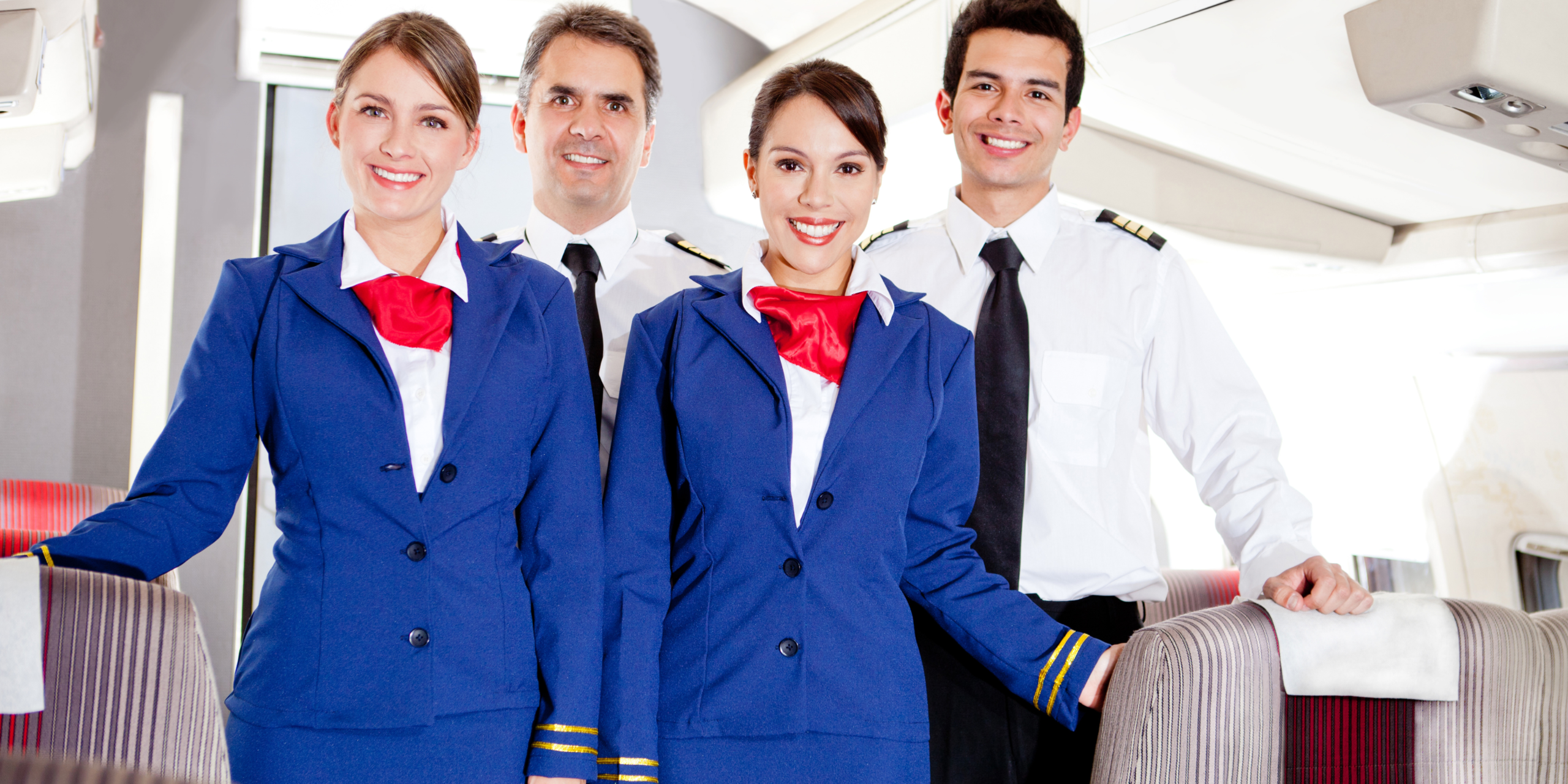
Opportunities in Cabin Crew Training
The aviation industry has always represented ambition, professionalism, global connectivity, and exciting career possibilities. As international travel continues to recover and expand, airlines are investing heavily in recruiting and training skilled cabin crew professionals who can deliver exceptional passenger experiences while maintaining the highest safety standards. This growing demand has significantly increased Opportunities in Cabin Crew Training, making it an attractive career pathway for students and young professionals who aspire to work in the aviation sector.
Cabin crew professionals are far more than hospitality representatives. They are trained safety specialists, effective communicators, emergency responders, customer service experts, and ambassadors of airline brands. Modern airlines require individuals who combine technical knowledge with confidence, teamwork, and outstanding interpersonal skills. As aviation continues embracing innovation and global expansion, Opportunities in Cabin Crew Training are creating rewarding careers across domestic and international airlines.
Understanding Cabin Crew Training
Before exploring Opportunities in Cabin Crew Training, it is important to understand what cabin crew training involves.
Professional training prepares candidates to perform responsibilities that ensure passenger safety, comfort, and operational efficiency throughout every stage of a flight.
Training typically includes emergency procedures, aircraft familiarization, first aid, communication techniques, customer service, aviation regulations, cultural awareness, grooming standards, and teamwork.
Comprehensive preparation builds professional confidence.
Safety remains the highest priority.
Training forms the foundation of successful aviation careers.
The Aviation Industry Continues to Expand
One of the strongest reasons behind Opportunities in Cabin Crew Training is the continued growth of global aviation.
Increasing business travel, tourism, international education, and improved air connectivity have encouraged airlines to expand their routes and modernize their fleets.
As airlines introduce new aircraft and destinations, the demand for qualified cabin crew professionals continues rising.
Global travel supports employment growth.
The aviation sector remains highly dynamic.
Career opportunities continue expanding.
Passenger Experience Has Become More Important
Another major reason behind Opportunities in Cabin Crew Training is the growing emphasis on passenger satisfaction.
Airlines compete by offering comfortable, efficient, and memorable travel experiences.
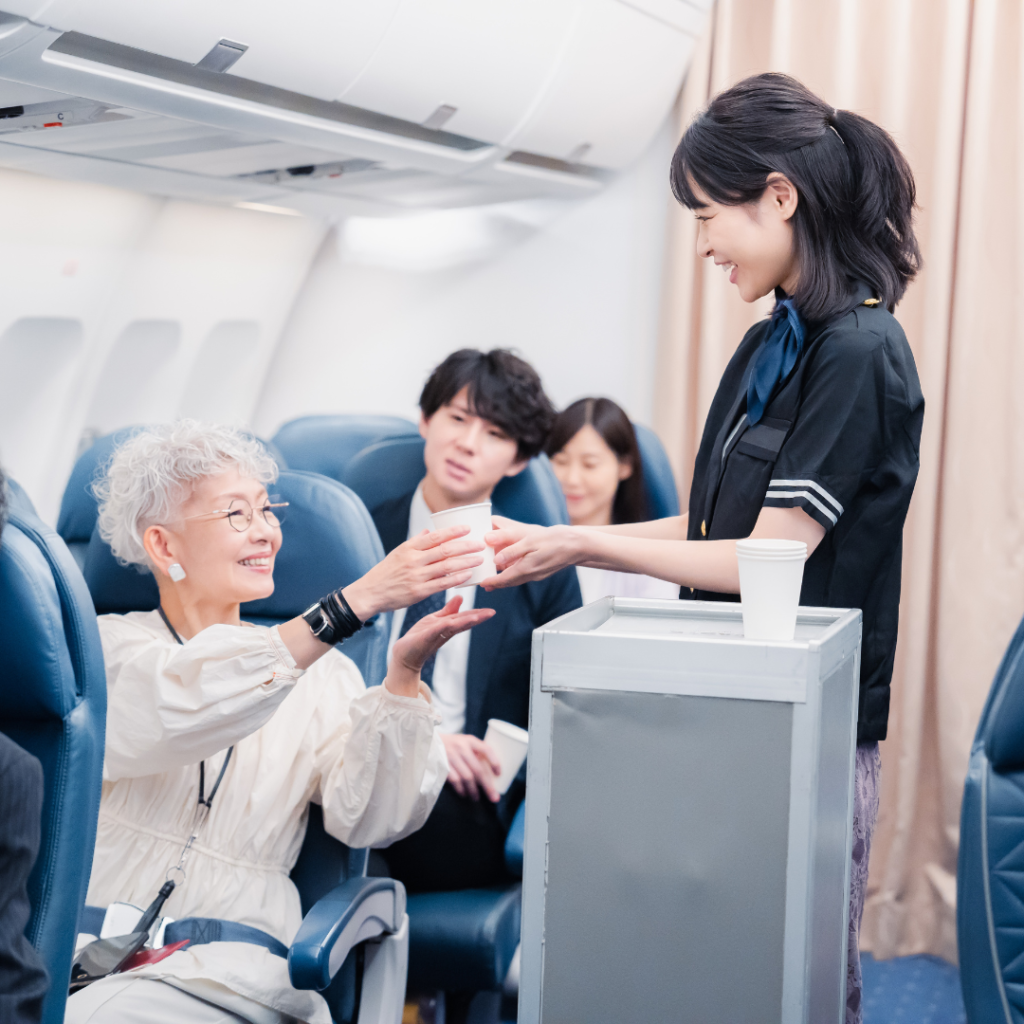
Cabin crew members play a direct role in creating positive interactions, solving passenger concerns, and maintaining professionalism throughout the journey.
Excellent service strengthens airline reputation.
Customer satisfaction encourages business success.
Professional communication builds trust.

Safety Training Creates Professional Excellence
Safety remains the most essential component of Opportunities in Cabin Crew Training.
Cabin crew professionals receive extensive instruction in emergency evacuations, fire safety, medical assistance, aircraft security, turbulence management, and crisis response.
This specialized knowledge allows them to respond calmly during unexpected situations.
Prepared professionals inspire passenger confidence.
Safety expertise remains highly respected.
Training supports operational reliability.
Communication Skills Open Career Doors
Effective communication contributes significantly to Opportunities in Cabin Crew Training.
Cabin crew members interact daily with passengers from diverse cultures, languages, and backgrounds.
Training develops clear communication, active listening, conflict resolution, and professional etiquette that remain valuable throughout many careers.
Strong communication improves teamwork.
Professional interactions create lasting impressions.
Confidence supports career advancement.
Customer Service Drives Airline Success
Customer service remains another important reason behind Opportunities in Cabin Crew Training.
Modern airlines expect cabin crew professionals to balance efficiency with empathy while assisting passengers of different ages and travel experiences.
Positive interactions contribute directly to airline loyalty.
Hospitality strengthens brand identity.
Service excellence creates memorable journeys.
Professionalism improves customer confidence.
International Exposure Enhances Career Growth
One attractive aspect of Opportunities in Cabin Crew Training is the opportunity for international exposure.
Cabin crew professionals frequently travel to different countries, experience diverse cultures, and interact with people from around the world.
These experiences broaden professional perspectives while strengthening cultural understanding.
Global exposure encourages personal development.
International experience enhances employability.
Travel supports continuous learning.
Technology Is Transforming Aviation
Technological innovation further strengthens Opportunities in Cabin Crew Training.
Modern aircraft feature advanced communication systems, digital passenger management tools, electronic documentation, and improved safety equipment.
Cabin crew training increasingly incorporates digital technologies to prepare professionals for modern airline operations.
Technology improves operational efficiency.
Innovation supports better passenger experiences.
Continuous learning remains essential.
Career Progression Extends Beyond Cabin Crew Roles
Another advantage of Opportunities in Cabin Crew Training is the potential for long-term career growth.
Experienced professionals may advance into senior cabin crew positions, in-flight supervisors, training instructors, aviation recruiters, customer service managers, airline operations specialists, airport management, or aviation training consultants.
Professional development creates broader opportunities.
Leadership strengthens long-term careers.
Experience supports advancement.
Grooming and Professional Presentation Matter
Professional presentation remains an important part of Opportunities in Cabin Crew Training.
Training emphasizes grooming standards, personal discipline, confidence, etiquette, and organizational skills that reflect airline professionalism.
These qualities contribute positively to passenger perception and workplace success.
Professional appearance supports credibility.
Confidence begins with preparation.
Attention to detail creates excellence.
Soft Skills Complement Technical Knowledge
Although technical training is essential, emotional intelligence also contributes significantly to Opportunities in Cabin Crew Training.
Patience, adaptability, teamwork, problem-solving, resilience, and empathy allow cabin crew professionals to manage demanding situations effectively while maintaining excellent service.
Balanced skills create stronger professionals.
Teamwork improves operational performance.
Adaptability supports long-term success.
Training Institutes Continue Improving Aviation Education
Educational institutions increasingly recognize Opportunities in Cabin Crew Training by offering specialized aviation programs covering safety procedures, customer service, hospitality, communication, personality development, first aid, and airline operations.
Many academies collaborate with industry experts to provide practical learning experiences.
Professional education improves employability.
Industry exposure strengthens career readiness.
Knowledge remains a valuable investment.
Challenges Facing Cabin Crew Professionals
Although discussing Opportunities in Cabin Crew Training, it is important to acknowledge certain realities.
Cabin crew members often work flexible schedules, travel frequently, adapt to changing time zones, and manage physically demanding responsibilities.
Successful professionals maintain discipline, resilience, physical fitness, and a positive attitude throughout their careers.
Preparation builds confidence.
Adaptability supports professional excellence.
Commitment strengthens long-term growth.
The Future of Cabin Crew Careers
The future of Opportunities in Cabin Crew Training appears exceptionally promising.
Growing investments in aviation infrastructure, airport modernization, sustainable aviation, tourism, international travel, premium airline services, and digital passenger experiences will continue creating employment opportunities across domestic and international airlines.
Future professionals may work as cabin crew members, senior flight attendants, in-flight supervisors, aviation trainers, airline customer experience specialists, airport service executives, airline recruiters, hospitality managers, or aviation operations professionals.
The aviation industry continues expanding globally.
Innovation creates exciting career possibilities.
Professional demand remains encouraging.
Conclusion
Opportunities in Cabin Crew Training reflect the growing importance of skilled aviation professionals within an increasingly connected world. Modern airlines require individuals who combine safety expertise, communication skills, customer service excellence, teamwork, and professionalism to deliver outstanding passenger experiences.
Students who invest in quality cabin crew training while developing confidence, adaptability, cultural awareness, and interpersonal skills will enjoy rewarding career opportunities across the aviation industry. Beyond the opportunity to travel internationally, cabin crew careers also provide valuable professional growth, leadership pathways, and exposure to one of the world’s most dynamic service industries.
As aviation continues embracing innovation and expanding global connectivity, cabin crew professionals will remain essential contributors to airline success. For aspiring aviation professionals, opportunities in cabin crew training offer a strong foundation for building a meaningful, exciting, and future-ready career.