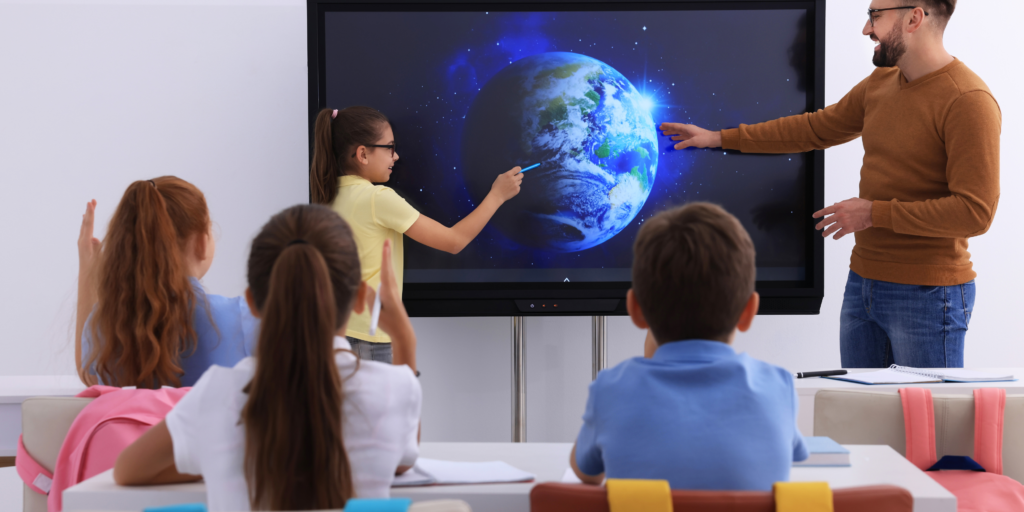
Why Smart Classrooms Improve Student Engagement
Education has changed dramatically over the past few years. Traditional teaching methods that once depended entirely on blackboards, textbooks, and lectures are gradually evolving into more interactive and technology-driven learning systems. As digital transformation continues shaping industries and everyday life, educational institutions are also adopting modern teaching methods to improve classroom experiences. One of the most significant developments in this transformation is the rise of smart classrooms.
Smart classrooms are becoming increasingly popular because they create more engaging, interactive, and student-centered learning environments. Instead of relying only on one-way teaching methods, smart education systems use technology, multimedia tools, digital presentations, virtual platforms, and interactive learning techniques to improve understanding and participation. These classrooms are changing how students absorb information, communicate with teachers, and stay involved during lessons.
The growing attention toward smart classrooms improve student engagement because students today learn differently compared to previous generations. Modern learners are surrounded by technology from an early age, making digital interaction a natural part of their daily routine. Traditional classrooms sometimes struggle to maintain student attention for long periods, especially when lessons become repetitive or disconnected from real-world experiences. Smart learning environments help solve this challenge by making education more visual, collaborative, and practical.
At the same time, the transition toward technology-based education also creates discussions about screen dependency, distractions, and unequal access to digital resources. While smart classrooms offer significant advantages, they also require balanced implementation and thoughtful usage to ensure meaningful learning experiences.
The Shift from Traditional Learning to Smart Education
For many years, traditional classroom systems focused heavily on passive learning. Teachers delivered lectures while students listened, memorized concepts, and prepared for examinations. Although this approach helped build academic foundations, it sometimes limited creativity, interaction, and practical understanding.
Modern classroom learning is now moving toward more engaging teaching methods where students actively participate in discussions, activities, and digital experiences. Smart classrooms support this transformation by combining education with technology and interactive communication.
Interactive learning for students improves attention because lessons become more dynamic and visually appealing. Educational videos, digital simulations, smart boards, animations, and multimedia presentations help explain complex concepts more effectively than static textbook explanations alone.
Students often feel more interested and emotionally connected when learning becomes interactive rather than repetitive. Visual content improves understanding and memory retention because students can see practical examples instead of simply reading theoretical information.
Traditional classrooms may sometimes create boredom or reduced concentration, especially when students struggle to relate lessons to real-world applications. Smart learning systems help reduce this disconnect by making education more engaging and relatable.
Smart Classrooms Increase Student Participation
One of the strongest reasons why smart classrooms improve student engagement is the increase in classroom participation. In traditional settings, many students hesitate to ask questions or participate in discussions because of nervousness or lack of confidence.
Smart classroom technology creates a more interactive environment where students can communicate through quizzes, polls, presentations, collaborative projects, and digital activities. This interaction encourages students to become active participants instead of passive listeners.
Technology also helps shy or introverted students engage more comfortably. Digital platforms sometimes make communication easier because students feel less pressure compared to speaking publicly in front of large groups.
Interactive teaching methods improve classroom energy and encourage curiosity. Students become more willing to ask questions, share opinions, and explore ideas when lessons are visually engaging and participatory.
This increased involvement creates a positive learning atmosphere where students feel more connected to education. As participation grows, confidence and communication skills also improve gradually.
However, classrooms that depend entirely on lectures without interaction may struggle to maintain student attention and motivation for long periods.
Technology Makes Learning More Interesting
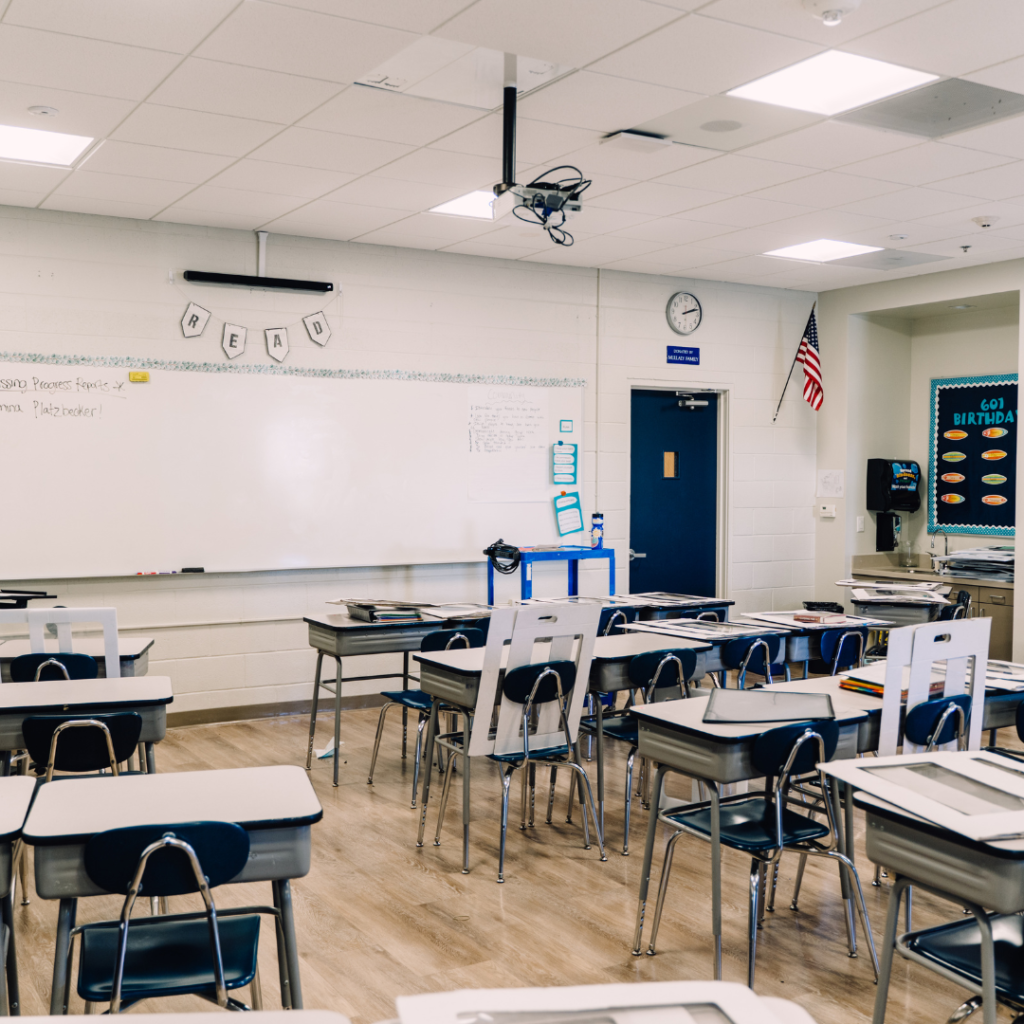
Students today grow up in highly digital environments filled with smartphones, videos, social media, games, and online content. Because of this exposure, many students respond better to visually rich and technology-supported learning experiences.
Digital classrooms improve learning engagement by presenting information in creative and interactive formats. Videos, animations, graphics, simulations, and virtual demonstrations make lessons more interesting and easier to understand.
Subjects such as science, mathematics, geography, engineering, and history often become more engaging when students can visualize concepts through digital tools. Abstract ideas become easier to grasp when technology provides practical representation and interactive examples.
Technology in education also allows teachers to personalize learning experiences according to student needs. Some students learn faster visually, while others prefer interactive practice or audio explanations. Smart education systems support multiple learning styles, improving comprehension and classroom satisfaction.
Students who feel engaged with lessons are usually more motivated academically. Interest and curiosity naturally improve when education feels relevant, modern, and interactive.
At the same time, excessive dependence on visuals without meaningful understanding can reduce deep learning if technology is not used carefully. Smart classrooms work best when technology supports education rather than replacing thoughtful teaching entirely.
Smart Learning Improves Knowledge Retention
One major challenge in traditional education is that students often memorize information temporarily without fully understanding concepts. As a result, learning may become exam-focused instead of knowledge-oriented.
Smart classrooms improve retention because interactive learning experiences stimulate both visual and cognitive understanding. Students remember concepts better when they watch demonstrations, participate in discussions, and interact with digital content.
Practical examples and multimedia explanations help students connect theoretical knowledge with real-life applications. This deeper understanding improves long-term memory and problem-solving abilities.
Interactive learning for students also encourages active thinking instead of passive memorization. Students become more involved mentally when they solve digital quizzes, participate in classroom activities, or explore simulations independently.
Traditional memorization-based systems may sometimes create academic pressure without encouraging true conceptual understanding. Smart classrooms reduce this gap by making learning more experiential and engaging.
Teachers Become More Effective with Smart Technology
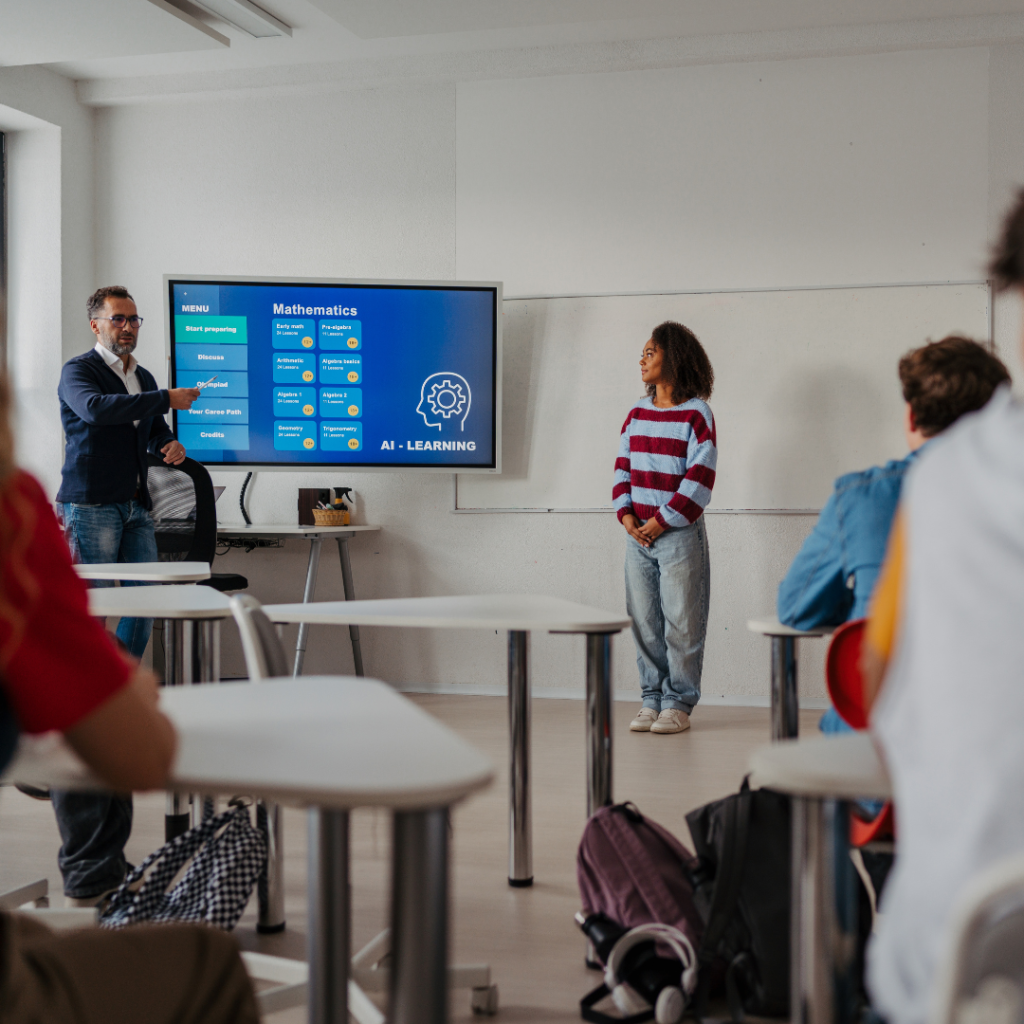
Smart classrooms do not only benefit students; they also support teachers in delivering lessons more effectively. Digital tools allow educators to explain difficult topics clearly using visuals, animations, and interactive content.
Teachers can save time through organized digital resources, online assessments, and multimedia presentations. Smart classroom technology also helps monitor student progress more efficiently through performance tracking and digital feedback systems.
Technology-based education creates opportunities for more creative teaching approaches. Instead of repeating textbook explanations continuously, teachers can focus on interactive discussions, practical examples, and collaborative activities.
This shift improves classroom communication and creates stronger teacher-student interaction. Students often respond more positively when lessons feel engaging and modern.
However, successful smart learning environments require proper teacher training and technical understanding. Without effective implementation, technology may create confusion rather than improvement.
Smart Classrooms Encourage Collaborative Learning
Collaboration is becoming increasingly important in modern education and professional environments. Smart classrooms encourage teamwork through group projects, digital collaboration tools, interactive tasks, and shared learning activities.
Students learn how to communicate, solve problems, and exchange ideas while working together on digital platforms. These collaborative experiences improve leadership, teamwork, and communication skills.
Classroom technology also connects students with global educational resources and online communities. Students can participate in virtual workshops, webinars, and discussions beyond traditional classroom boundaries.
Collaborative learning creates stronger engagement because students feel more involved socially and intellectually during educational activities.
In contrast, isolated learning methods may reduce creativity and limit communication development among students.
Role of Smart Classrooms in Future Education
The future of education is becoming increasingly digital and technology-oriented. Educational institutions worldwide are investing in smart learning systems to prepare students for modern careers and digital workplaces.
Future-ready students require digital literacy, communication skills, adaptability, and technological confidence. Smart classrooms help students become familiar with technology from an early stage, improving readiness for future professional environments.
The smart education system also supports hybrid learning models where students can access educational resources online and offline. This flexibility improves accessibility and learning continuity during changing circumstances.
As industries continue evolving through automation and digital transformation, technology-based education will become even more important for academic and career success.
Challenges Associated with Smart Classrooms
Despite their advantages, smart classrooms also present certain challenges. Unequal access to technology remains a major concern in some regions where schools and students may lack proper digital infrastructure.
Excessive screen time can also affect concentration, physical health, and social interaction if not managed responsibly. Students may become distracted by entertainment platforms or multitasking during digital lessons.
Teachers and institutions must therefore balance technology usage with meaningful human interaction and practical learning experiences.
Smart classrooms should enhance education rather than create dependency on devices alone. Balanced implementation is essential for maintaining both academic quality and student well-being.
Importance of Student Engagement in Education
Student engagement plays a major role in academic performance, emotional confidence, and long-term learning success. Engaged students are generally more curious, motivated, and productive in educational environments.
When students feel involved in learning activities, they participate actively and develop stronger interest in education. Smart classrooms improve student engagement by making lessons interactive, relevant, and visually appealing.
Educational systems that focus only on memorization may struggle to maintain enthusiasm and creativity among students. Interactive teaching methods encourage exploration, independent thinking, and practical understanding.
Student engagement also improves communication skills, confidence, and emotional connection with learning processes.
Conclusion
Smart classrooms are transforming modern education by creating more interactive, engaging, and student-centered learning experiences. Through digital learning tools, multimedia resources, collaborative activities, and interactive teaching methods, smart classrooms improve student engagement and make education more meaningful.
Technology in education helps students understand concepts more clearly, participate actively, and develop future-ready skills for modern careers. Smart learning environments encourage curiosity, creativity, communication, and practical understanding beyond traditional memorization methods.
Although challenges such as digital distractions and unequal access still exist, balanced implementation of smart education systems can significantly improve academic experiences and student growth.
As the future of education continues evolving, smart classrooms will play an increasingly important role in shaping confident, technologically aware, and actively engaged learners prepared for the demands of the digital world.
More Blogs you may read
Why Employers Value Curiosity: How Curiosity Drives Career Growth, Innovation, and Workplace Success 2026
Why Employers Value Curiosity The modern workplace is changing faster...
Read More
Scholarships for Students Excelling in Sports and Academics: A Complete Guide to Funding Higher Education 2026
Scholarships for Students Excelling in Sports and Academics Pursuing higher...
Read MoreGraduate Attributes Every University Should Develop: Essential Skills for Career Success and Lifelong Learning 2026
Graduate Attributes Every University Should Develop Higher education has always...
Read MorePreparing for Two Entrance Exams Together: A Complete Strategy for Smart and Successful Exam Preparation 2026
Preparing for Two Entrance Exams Together Preparing for a single...
Read More